There is a particular kind of hush that falls over a theater right before a classical ballet begins. The orchestra tunes, the curtain breathes, and suddenly the air feels starched with tradition. Contemporary ballet can enter the same room like a gust of city rain: the stage might be bare, the music might be pulsing, and the dancers may look less like porcelain figurines and more like human weather.
Both are ballet. Both ask for extraordinary technique. But they speak in different dialects. If you have ever left a performance thinking, I loved it, but I don't know why it felt so different, this is for you.
The quick heartbeat
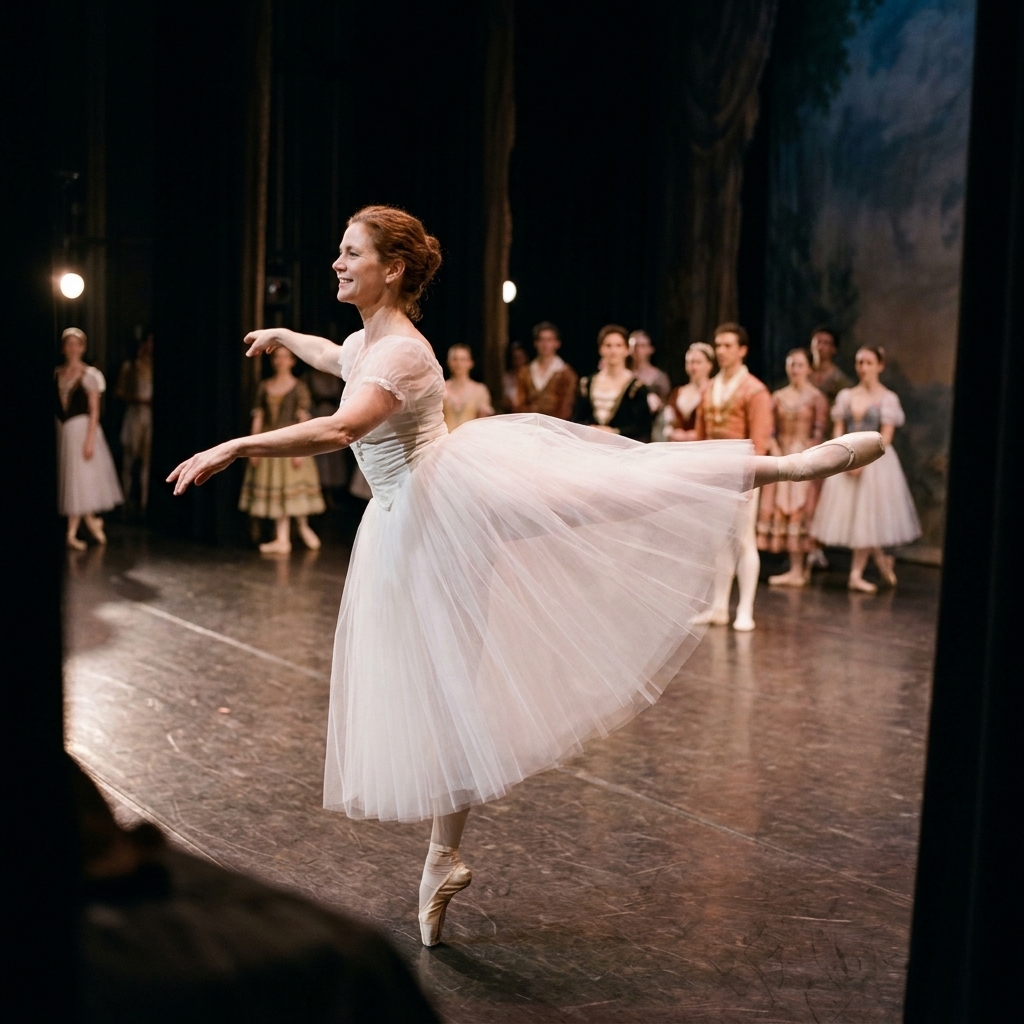
Classical ballet usually refers to works built from a codified vocabulary shaped by European court and theater traditions, particularly the French court and its academies, and later refined in major institutions like the Russian imperial theaters. Think structured story ballets, clear hierarchies of steps, and a visual world that often leans toward symmetry and polish.
Contemporary ballet is a broad umbrella for choreography that uses ballet as a base but bends it toward modern movement ideas, new musical worlds, and a more elastic sense of line, weight, and character. It is not “anything goes,” though it can feel that way at first. Most contemporary ballet still demands classical training. It simply permits the body to speak with a wider range of accents.
One helpful way to think of it: classical ballet tends to honor tradition as structure. Contemporary ballet often treats tradition as material.
Choreographic techniques
Vocabulary and shape
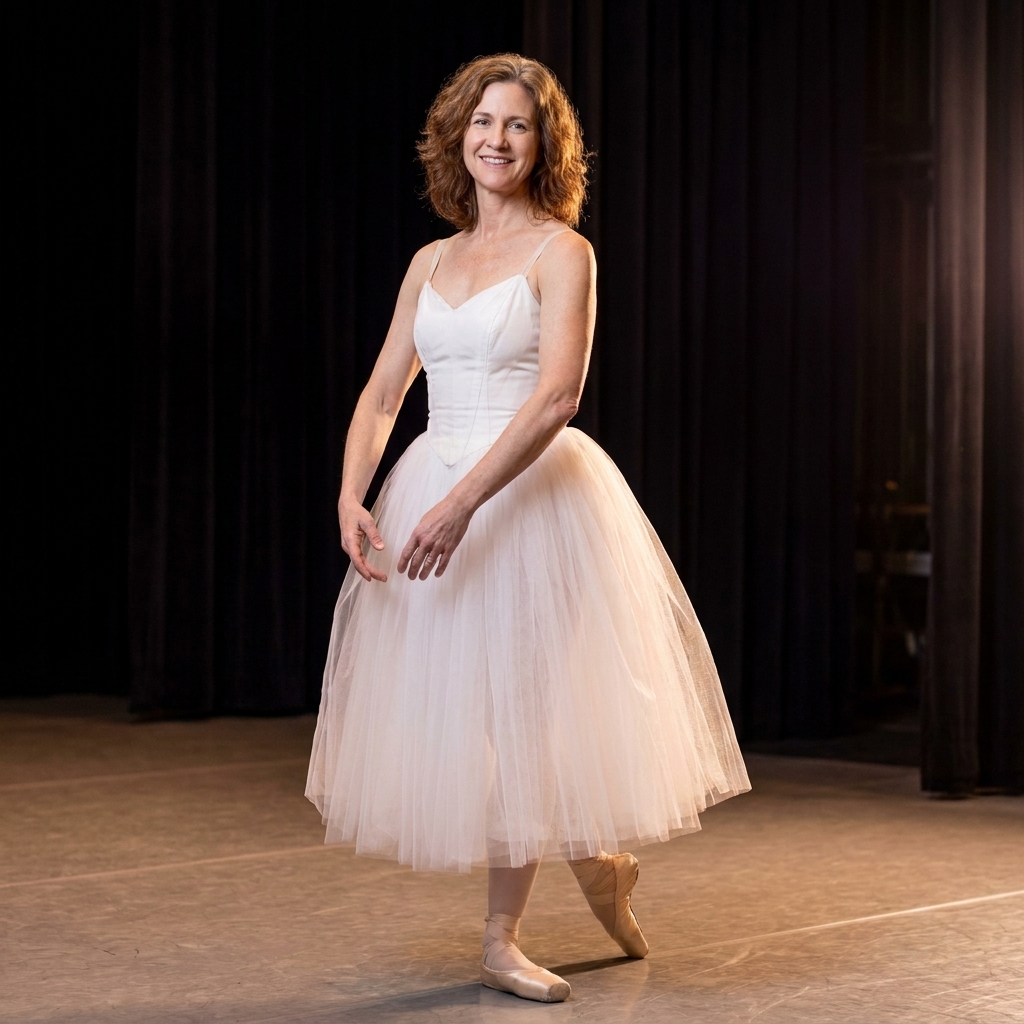
In classical ballet, movement is often built from a recognizable toolkit: plié, tendu, pirouette, assemblé, jeté. The dancer’s body reads like a clean calligraphy stroke. Lines are extended, turnout is prized, and the audience is frequently offered the dancer front-on, as if the stage were a gilded picture frame.
Contemporary ballet can still use all of that, but you will also see:
- Off-center balances and tilts that feel intentionally precarious.
- Parallel positions or turned-in legs that would make a traditional classroom raise an eyebrow.
- Spirals through the torso, ripples in the spine, and a more visible relationship to breath.
- Floorwork, kneeling, sliding, or moments where the dancer chooses gravity instead of fighting it.
Where classical ballet often aims for the sensation of effortless elevation, contemporary ballet is more likely to let you see effort as truth. The sweat, the weight, the decision-making in the body can be part of the point.
Use of space
Classical choreography loves architecture. You will notice patterns that echo palace gardens: mirrored formations, clean diagonals, and ensembles that move like a single organism. Even chaos, when it arrives, is typically choreographed into a legible order.
Contemporary ballet often prefers a stage that feels less like architecture and more like terrain. Dancers might slice across in asymmetrical pathways, break apart and reform, or move in ways that make you track individuals rather than the group as a decorative whole.
Partnering
In classical pas de deux, partnering can feel like a formal presentation. The ballerina is framed, supported, and displayed, often in ways that emphasize lightness and poise. There is a ceremonial quality to promenades and fish dives, as if the body were being offered to the audience like a precious object.
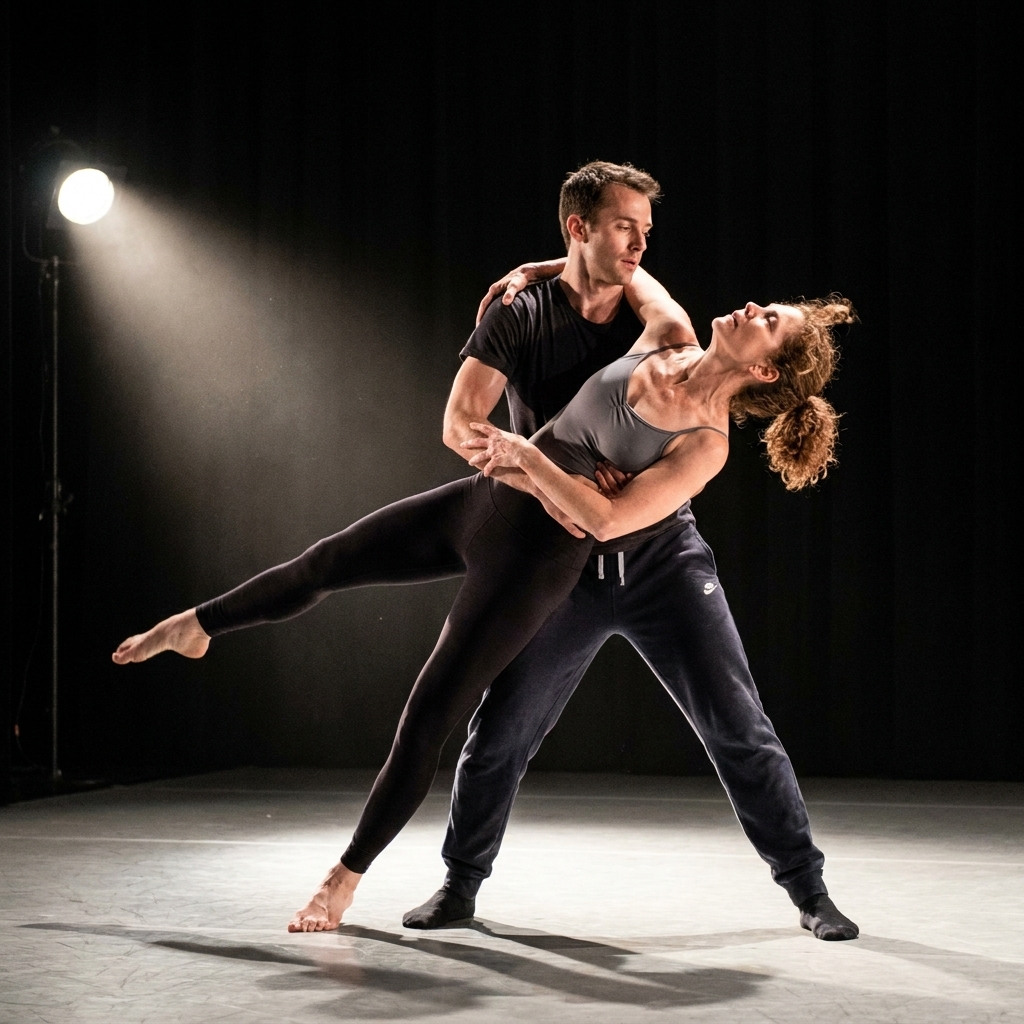
In contemporary ballet, partnering frequently looks more like a conversation about physics. Weight-sharing becomes visible. Lifts can start from odd angles. Roles may be less gendered, and the duet might read as intimate, tense, playful, or even combative, not just romantic.
Where neoclassical fits
If you have ever watched a ballet that looks undeniably classical in technique but feels stripped of fairy-tale scenery and heavy plot, you may be in neoclassical territory. Neoclassical ballet uses the classical vocabulary with a modern eye: faster footwork, cleaner lines, less pantomime, and a stage that can feel like pure geometry.
George Balanchine is often named here, and for good reason. Many mixed repertory programs place neoclassical works beside contemporary pieces, which makes it easier to feel the continuum rather than a hard divide.
Music
Classical ballet’s musical spine
Classical ballet is deeply entwined with the orchestra pit. The score is often symphonic, narrative-friendly, and built to support set pieces: grand entrances, variations, codas. Composers like Tchaikovsky, Delibes, Prokofiev, and Minkus shaped the way audiences expect ballet to “sound,” meaning lush strings, clear rhythms for footwork, and themes that can make a character or mood feel instantly recognizable.
Even when a classical company performs something abstract, the musical logic often remains: the choreography listens closely to counts, phrasing, and musical punctuation.
Contemporary ballet’s sonic range
Contemporary ballet might use a commissioned score, a string quartet, a single piano, electronic music, ambient sound, or silence that makes you suddenly aware of every landing and inhale. Some choreographers love music with a pronounced pulse. Others choose soundscapes that refuse to “carry” the dance, forcing the movement to generate its own drama.
For the viewer, the biggest difference is this: classical ballet music often guides your emotions in an obvious way. Contemporary scores can complicate emotion, or leave it open, so you do more interpretive work.
How to watch dance and music
- In classical ballet, look for steps that land like punctuation marks on musical accents.
- In contemporary ballet, notice whether the dancers are riding the music, resisting it, or ignoring it.
- Ask yourself: does the music feel like a partner, a backdrop, or a provocation?
Performance style
Pantomime and storytelling
Classical story ballets often include pantomime, a gestural language that can look quaint until you realize it is doing heavy narrative lifting. Point to the ring finger. Hands to the heart. A dramatic refusal. The goal is clarity, even from the back row.
Contemporary ballet tends to swap pantomime for something more psychological. Instead of “explaining” plot with gestures, it may let meaning accumulate through repetition, tone, and physical relationships. Sometimes there is no plot at all, only an emotional landscape. Just as important, the split is not absolute: some contemporary works are richly narrative, and some classical divertissements are delightfully plot-light.
Facial expression and theatricality
Classical performance can be larger than life, especially in full-length narrative works. The face is part of the costume, and projection matters. Even when the style is refined, it is still meant to read across a vast space.
Contemporary ballet often favors a more neutral or inward expression, not because the dancers feel less, but because the choreographic world may ask the body to carry the story while the face remains almost private.
Technique and training
Let’s clear up a common misconception: contemporary ballet is not “less technical.” Many contemporary works are brutally demanding. The difference is often what the technique is for.
Classical technique
- Turnout and placement that create clean, legible lines.
- Pointe work as a central element in much of the canonical repertoire, emphasizing buoyancy and refinement, though not every role relies on it.
- Epaulement, the nuanced relationship of head, shoulders, and torso, giving steps their elegant shading.
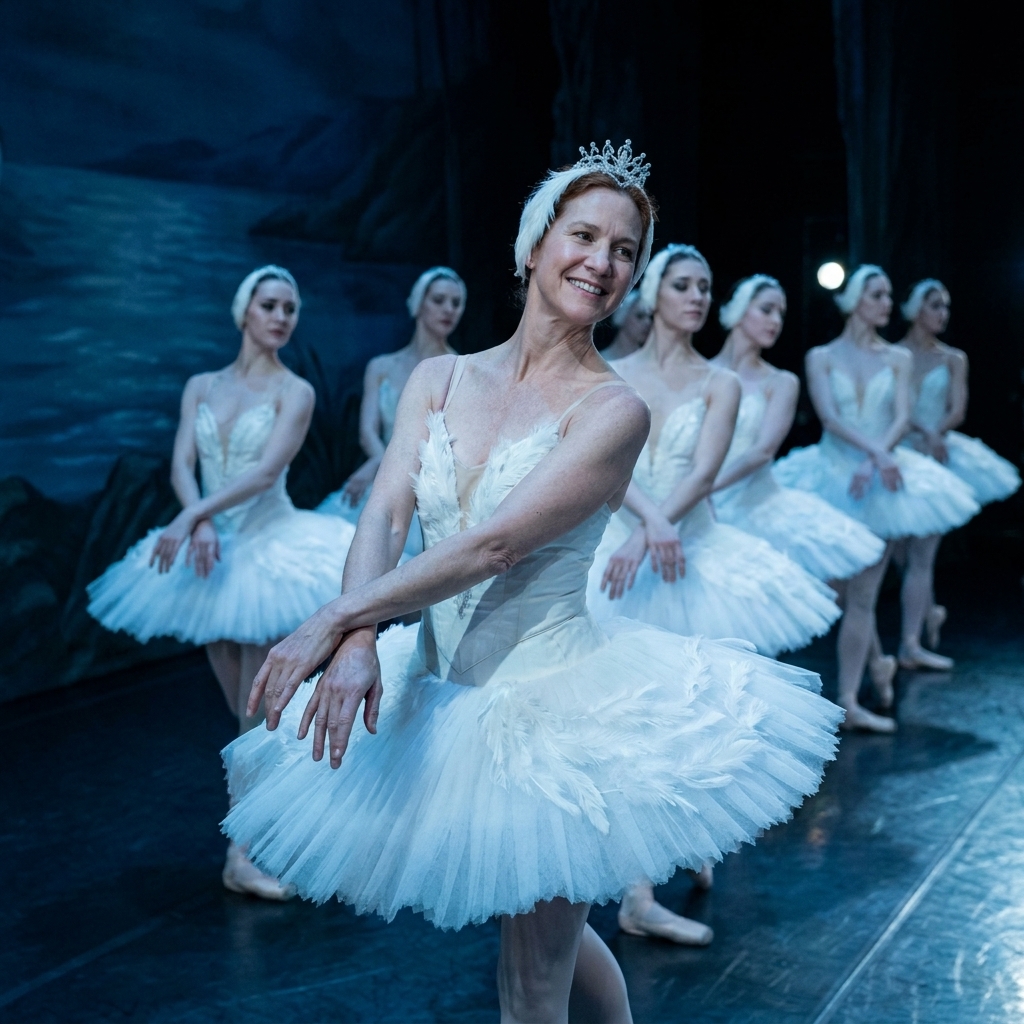
- Consistency across a company, especially in the corps de ballet, where unity is part of the spectacle.
Contemporary technique
- Speed changes and dynamic contrast, from suspended to sharp in a blink.
- Grounded movement, allowing weight to drop, swing, or melt.
- Expanded range in the back, ribs, and pelvis, sometimes borrowing from modern and release techniques.
- Individual texture, where two dancers can perform the same phrase and still feel distinct, by design.
In practice, most professional dancers today train in both worlds. Companies want artists who can execute crystalline classical work and then, the next night, inhabit movement that asks them to look like it is being invented in real time.
Design and atmosphere
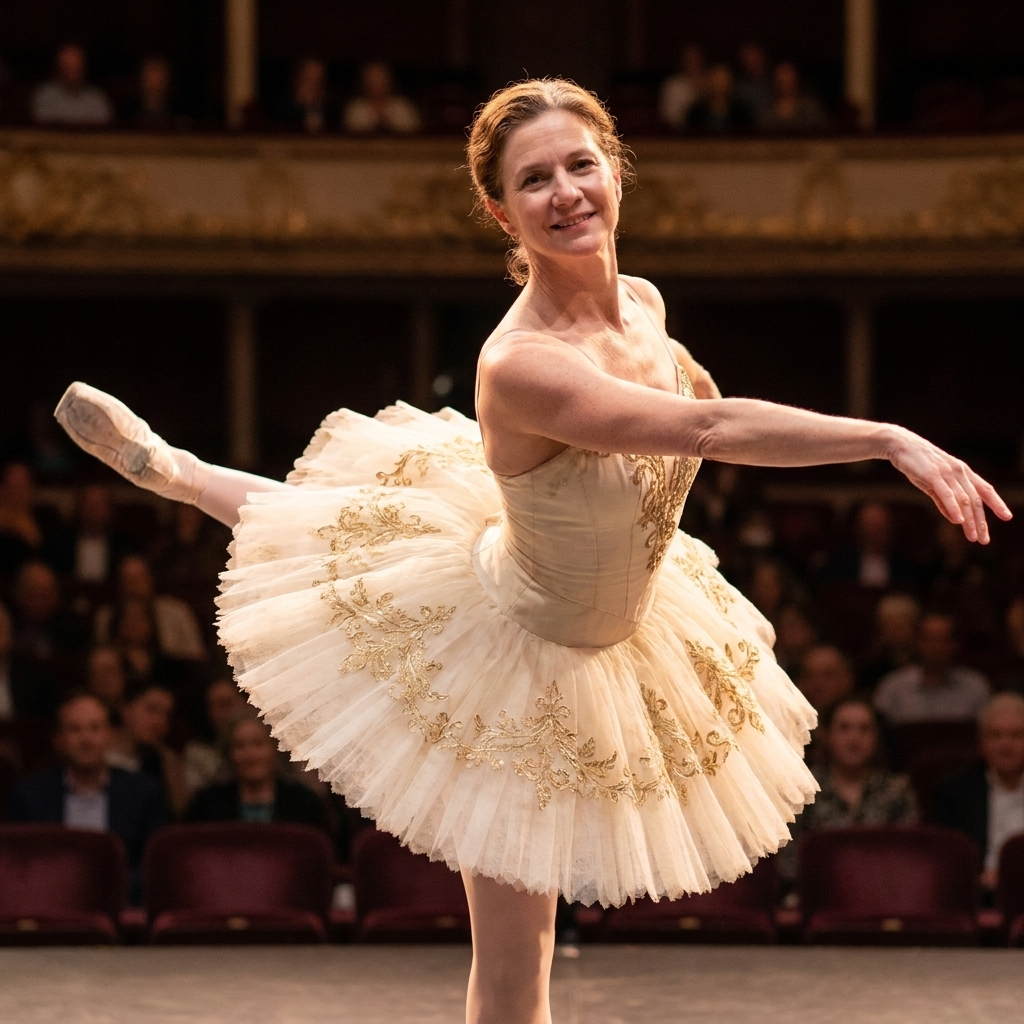
Classical ballet is famously visual: tutus, tiaras, painted backdrops, storybook sets, and lighting that frames dancers like precious figurines in a music box. Design often supports the idea of a complete world with its own rules. You step into it like you step into a novel.
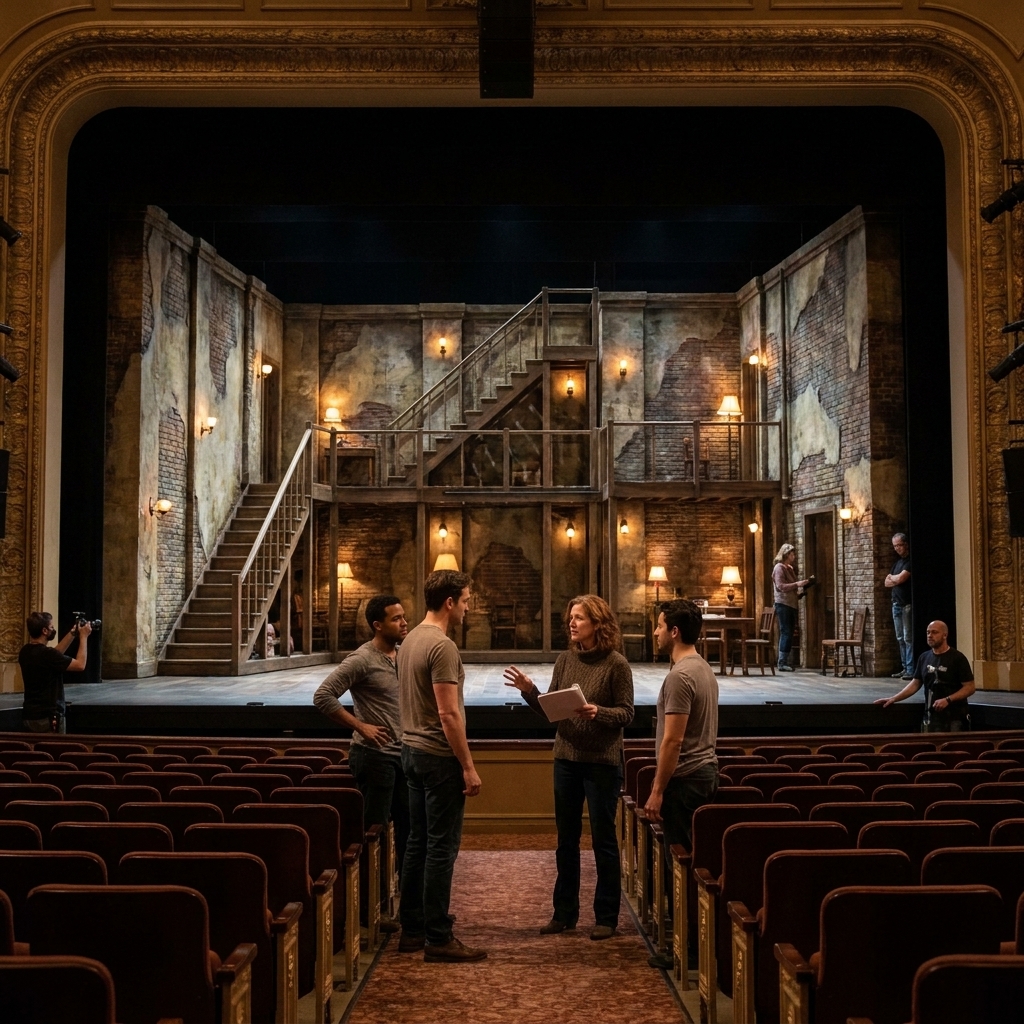
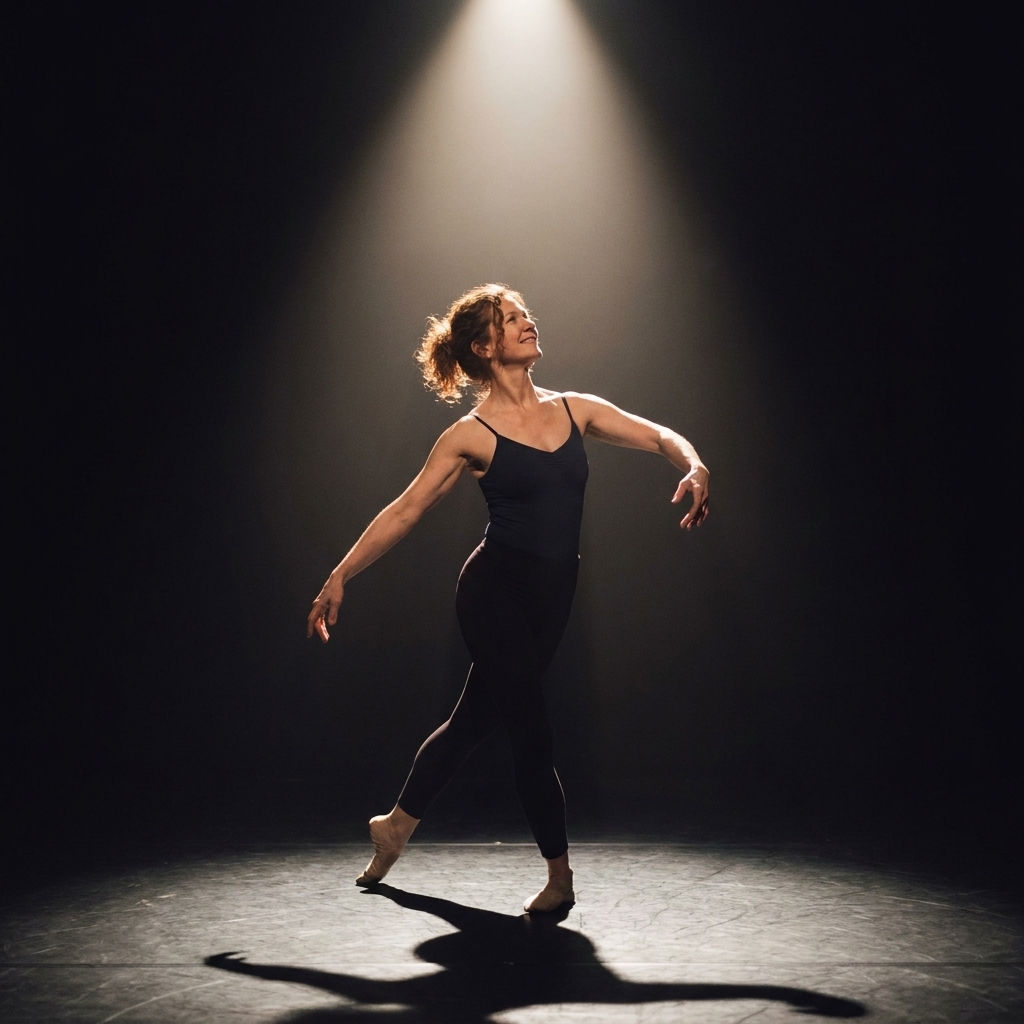
Contemporary ballet is more variable. Sometimes you get minimalism: plain costumes, open stage, sculptural light. Sometimes you get bold fashion energy: saturated color, unconventional silhouettes, a set that looks like it belongs in a modern art museum. The common thread is that design tends to be in conversation with the movement rather than decoration around it.
Examples to anchor your eye
If you want names to hang these ideas on, here are a few guideposts. They are not the whole map, but they can help you orient quickly.
- Classical cornerstones: Marius Petipa and Lev Ivanov (often through works like Swan Lake and The Sleeping Beauty), plus the Romantic tradition of Giselle.
- Neoclassical bridge: George Balanchine, and also Jerome Robbins in works that sit between theater and abstraction.
- Contemporary voices: William Forsythe, Jiří Kylián, Christopher Wheeldon, Wayne McGregor, and others who build from ballet technique while stretching its shape, speed, and logic.
What to watch for
If you want a simple lens to carry with you into any ballet, try this trio: line, time, and intention.
Line
- Classical: long, continuous lines, often presented cleanly to the audience.
- Contemporary: lines that break, twist, or collapse, sometimes showing the joints and hinges of the body.
Time
- Classical: musical phrasing tends to be clear and consistent, with set moments meant to shine.
- Contemporary: time may stretch or snap, and repetition can become a structural tool.
Intention
- Classical: intention often reads as character, nobility, romance, tragedy, or formal presentation.
- Contemporary: intention can be abstract, physical, or relational, meaning it may live in contact, tension, and choice rather than “role.”
Which is better?
Whenever I hear this question, I think of my father’s design studio and my mother’s cello practice room. Grid and lyricism. Structure and feeling. Neither cancels the other. Classical ballet gives us a lineage of craft that is almost architectural in its rigor. Contemporary ballet keeps that craft alive by insisting it can still change, still argue, still surprise.
If classical ballet can feel like entering a cathedral, contemporary ballet can feel like walking into a gallery where the paint is still wet. Both are places where awe lives. The only requirement is that you show up willing to look.
FAQ
Is contemporary ballet the same as modern dance?
Not exactly. Modern dance is its own lineage with distinct techniques and histories. Contemporary ballet often borrows from modern and contemporary dance, but it is typically built on a ballet foundation, especially in footwork, line, and training background.
Do contemporary ballets use pointe shoes?
Sometimes. Many contemporary works are danced in soft shoes or barefoot, but pointe is not off-limits. Some choreographers use pointe specifically because it can look uncanny, sharp, or otherworldly outside a classical narrative context.
Why do some contemporary ballets feel hard to understand?
Because they may not be trying to tell a linear story. Instead, they often work like poetry or abstract painting: meaning arrives through mood, repetition, and association. A helpful approach is to stop hunting for plot and start noticing patterns, relationships, and how the piece makes time feel.
What is a good first classical ballet to see live?
Swan Lake, The Nutcracker, and Giselle are popular for a reason: iconic music, clear theatrical worlds, and moments that practically teach your eye how to watch ballet.
What is a good first contemporary ballet to see live?
Look for mixed-repertory programs at major companies, where you might see a classical excerpt alongside neoclassical and contemporary works in the same evening. It is a gentle way to feel the contrast in your own body as a viewer.