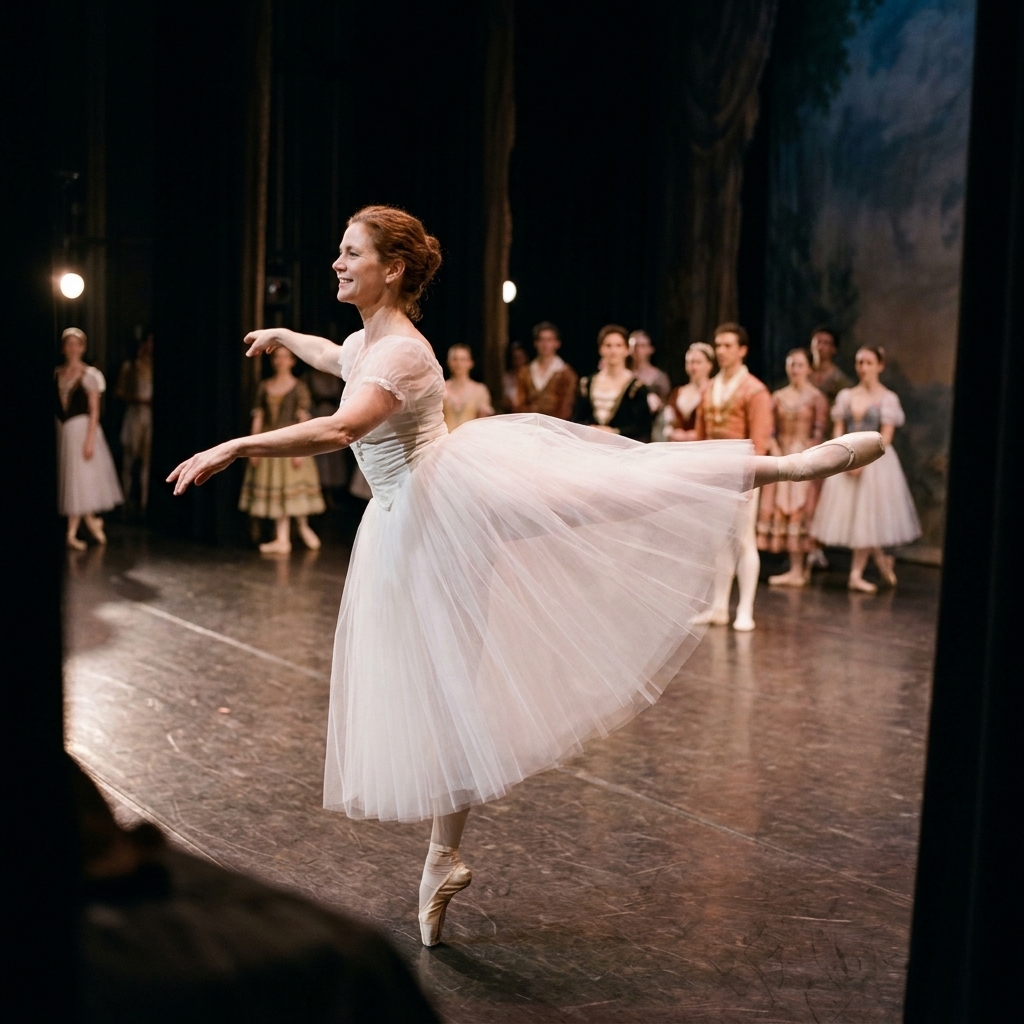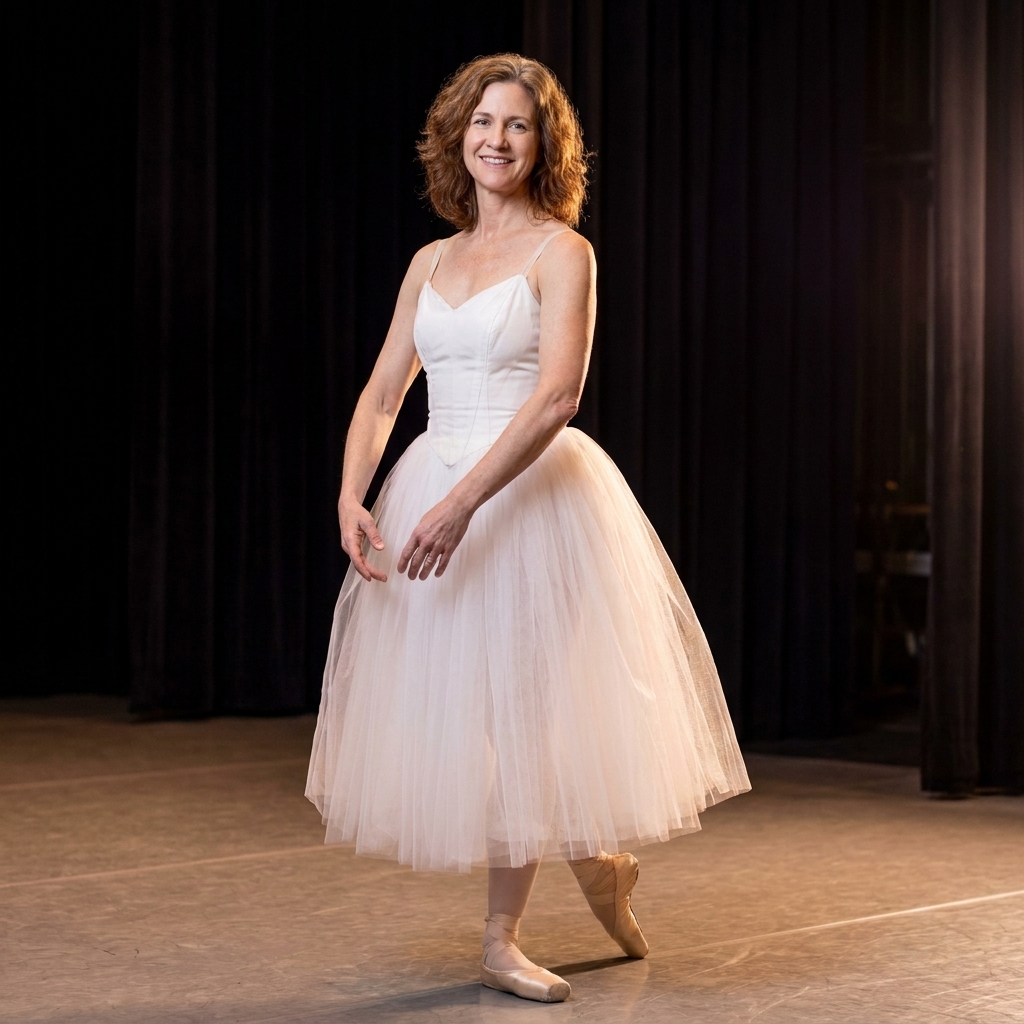
There is a moment in a traditional ballet when the air seems to tighten. The orchestra swells, a dancer rises onto pointe, and suddenly gravity looks like a polite suggestion. Contemporary dance can offer a different sensation. A body drops, skims the floor, breaks a line on purpose, and the room exhales because it feels like someone finally told a truth.
People often talk about classical ballet and contemporary dance like they are rivals. I have always seen them more like two dialects of the same language. Both can be precise. Both can be dramatic. Both can make you cry in the dark before you fully understand why. The difference is what each form tends to value, what it considers “beautiful,” and how history taught audiences to watch.
And to be fair to ballet, its “truth” is not always found in looking natural. Sometimes it lives in artifice, discipline, and the astonishing honesty of a body choosing rigor.
What “classical” and “contemporary” mean
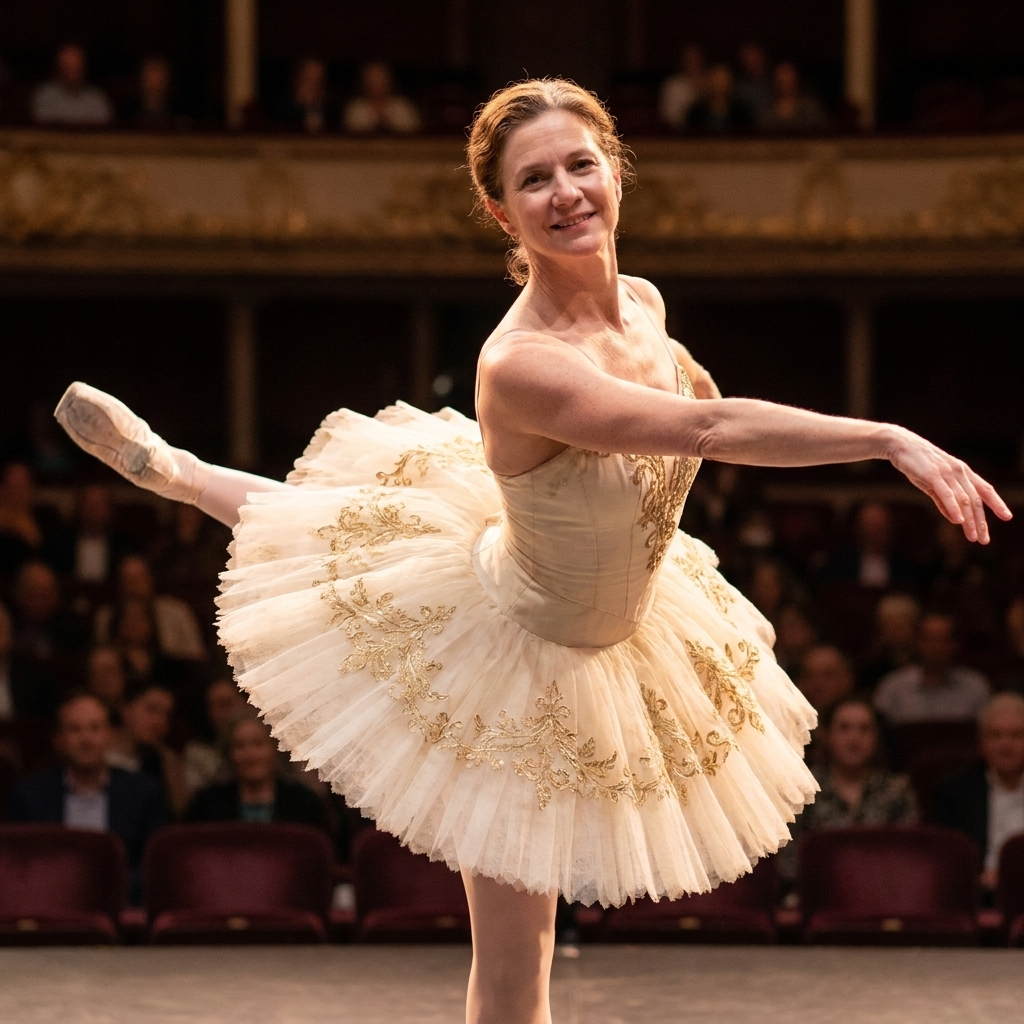
Classical ballet usually refers to a codified technique that developed from European court dance and later evolved into a theatrical art form. Over time it was refined and transmitted through major schools and methods, including French, Italian, and Russian lineages, and systems such as Cecchetti and Vaganova (and, in Denmark, the Bournonville tradition). Most audiences associate “classical” with pointe shoes, formal positions of the arms and feet, clarity of line, turnout, elevation, and storytelling that can be mythic, romantic, or fairy-tale.
Contemporary dance is a broader umbrella, especially in Euro-American concert contexts. It draws from modern dance and postmodern experiments, from ballet itself, and from a wide range of global and social forms that choreographers study, borrow, and sometimes fuse. That borrowing can be artistically thrilling and culturally complicated at the same time. Contemporary work can be theatrical or abstract. It might use pedestrian movement, improvisation, spoken text, or silence. Some contemporary pieces look very “balletic,” and pointe can appear here, too. The difference is often less about steps and more about assumptions: Why must the torso be held a certain way? Why does a lift have to look effortless? What happens if virtuosity is emotional rather than acrobatic?
One practical note for viewers: “contemporary” does not always mean “made yesterday.” It is more about approach than date. A work from the 1970s can feel startlingly contemporary if it is built on experimentation and a different relationship to the body.
Movement you can see
Line and texture
Classical ballet is obsessed, lovingly, with line. The body becomes geometry: long neck, lifted chest, legs like compass needles. Even pain is asked to look serene. In contemporary dance, you are more likely to notice texture: the ripple of a spine, the torque of a shoulder, the weight of a head dropping forward. Instead of “Can I hold this shape?” the question becomes “Can you feel what is happening inside this shape?”
Vertical and grounded
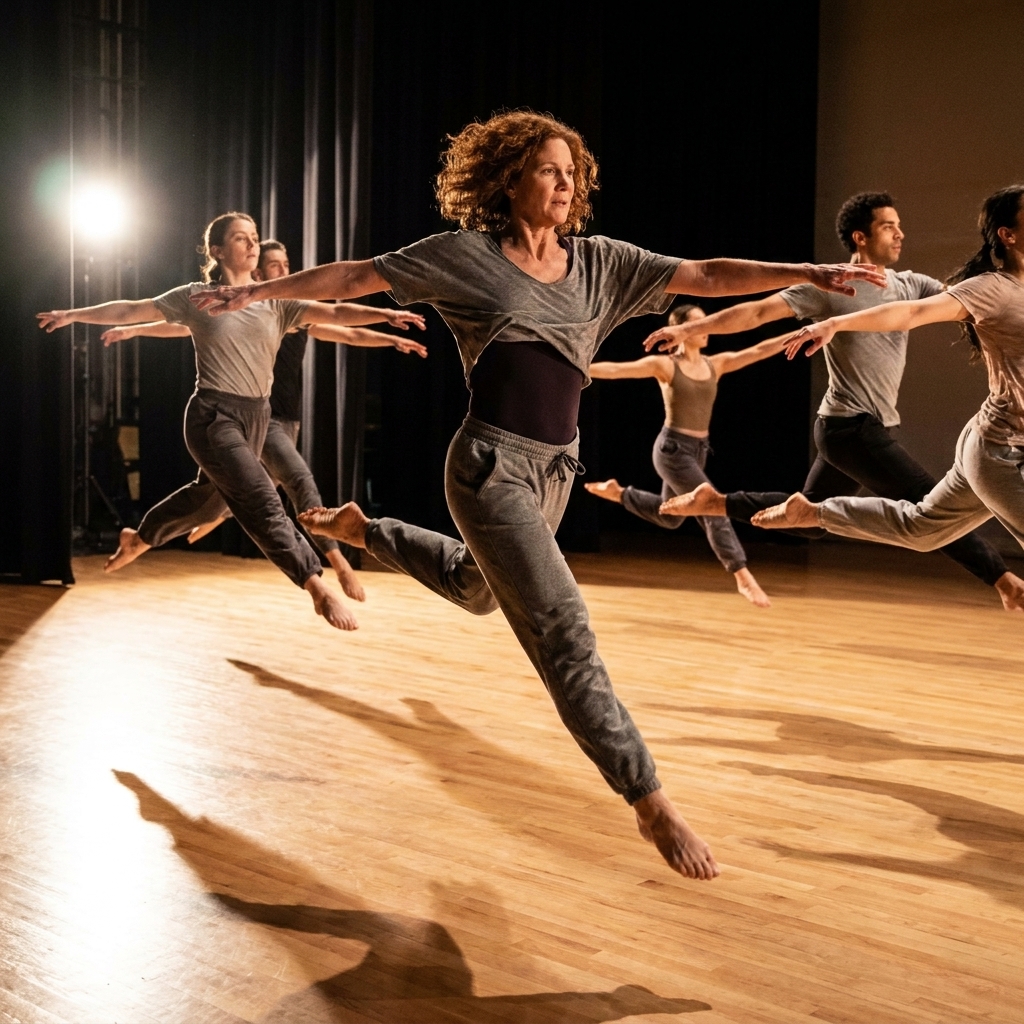
Ballet reaches upward. It is a form that repeatedly argues with the ground and often wins, at least visually. Contemporary dance tends to negotiate with the floor rather than deny it. You will often see more falling, rolling, sliding, and a frank use of body weight. This is one reason contemporary can feel intimate. Gravity is part of the story.
Turnout and orientation
Classical ballet is built around turnout, the outward rotation of the legs from the hips, which shapes how everything else aligns. It also assumes a “front” to the body, even when a dancer turns away. Contemporary dance may use turnout, parallel legs, pigeon-toed angles, or any alignment that serves the choreography.
A concrete viewing cue: notice how dancers “present” themselves. In ballet, the chest and gaze often feel offered to the audience, even on the diagonal. In contemporary work, the torso may fold inward, the focus may drop to the floor, or a dancer may face upstage for long stretches, as if the center of attention has moved inside the body instead of out toward us.
Virtuosity
Ballet’s virtuosity is often legible in a single instant: a high extension, a clean double tour, 32 fouettés that seem to dare the audience not to count. Contemporary virtuosity can be quieter. It might be the stamina to repeat a phrase until it transforms, the control to move fast while looking unguarded, or the bravery to sustain stillness without hiding behind spectacle.
How we got here
From courts to theaters
Ballet began as social dance in European courts and slowly transformed into theatrical storytelling. By the 19th century, it had developed the romantic imagery many people still associate with the form: ethereal heroines, supernatural worlds, and technique designed to look weightless. Institutions grew around it, too, with academies and companies preserving a “right way” to train. Many of the story ballets that set the template for “classical” repertory are associated with Marius Petipa’s era, and works like Swan Lake and The Sleeping Beauty still function as cultural shorthand for the form.
Modern dance: a new set of priorities
In the early 20th century, modern dance emerged as a departure from ballet’s rules and social codes. Instead of chasing weightlessness, many pioneers pursued different priorities: groundedness, breath, contraction and release, emotional expressivity, and a body that could register modern life without pretending it was a fairy tale. The names are not the whole story, but they help place the shift. Think Isadora Duncan’s refusal of ballet’s corseted silhouette, Martha Graham’s architecture of contraction and release, Doris Humphrey’s fall and recovery, and Mary Wigman’s darker, ritual intensity.
Postmodernism: letting the ordinary in
Later, postmodern choreographers pushed further, asking whether dance had to look like “dance” at all. Walking, task-based movement, chance procedures, and improvisation entered the studio. The Judson Dance Theater scene is often cited here, because it loosened the gate around what could be considered performance and who could be considered a dancer.
Neoclassical and the bridge
Many viewers meet a middle category without being given its name: neoclassical ballet. George Balanchine is a key reference point. Neoclassical work often keeps classical technique but strips away some narrative and decorative weight, sharpening musicality and speed, and letting form itself become the drama. If classical ballet is a storybook, neoclassical can feel like a poem written in the same alphabet.
Contemporary: a porous present
Contemporary dance inherits all of this. It is hybrid by nature. Many contemporary dancers train in ballet because it builds strength and clarity. Many ballet choreographers borrow contemporary tools because they want a different emotional temperature. The border is real, but it is constantly being redrawn. You can see that redrawing in artists who fracture and rewire ballet’s engine (William Forsythe), in contemporary ballet hybrids for large companies (Wayne McGregor, Alexei Ratmansky), and in worlds that fuse movement with theater and social atmosphere (Pina Bausch’s Tanztheater). Technique cultures like Ohad Naharin’s Gaga have also shaped what “contemporary” feels like in bodies today: less about posing correctly, more about sensation, speed, and availability.
Story and meaning
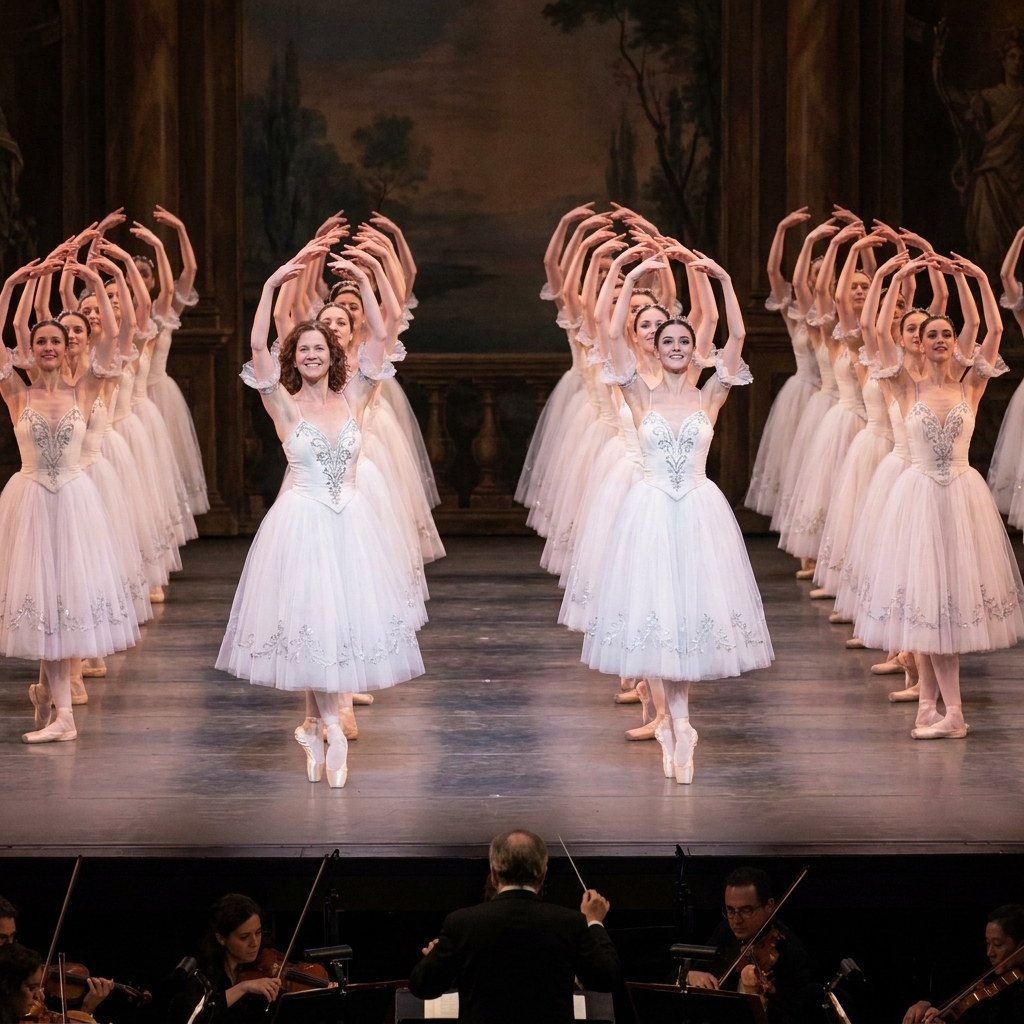
Classical ballets often arrive with a narrative frame: characters, conflict, a world you can summarize to a friend on the walk to the subway. Even when the plot is thin, the roles are clear. The corps de ballet becomes architecture, the soloists become focal points, and the story reads through recognizable theatrical signals.
Contemporary dance can tell a story, too, but it often resists tidy translation. It might present emotion without biography, or a situation without explanation. The meaning may live in rhythm, repetition, and relationship rather than in “what happens next.” If ballet can feel like reading a novel, contemporary dance can feel like listening to a song you cannot stop thinking about, even if you never learn the lyrics.
Music and silence
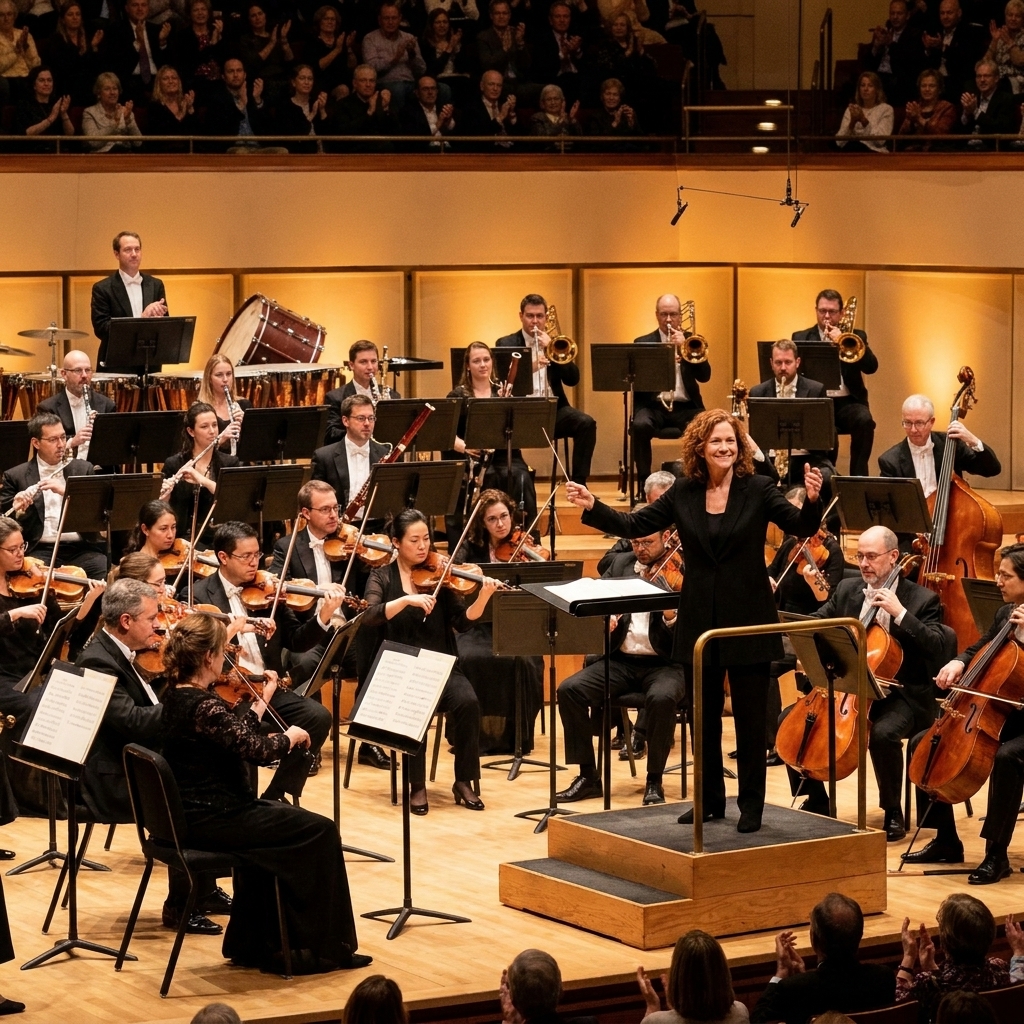
Ballet has a long-standing partnership with Western classical music, and many works are structured with a tight musical logic. Even when choreography plays against the score, the relationship is often formal and deliberate.
Contemporary dance opens the sound world. You might hear electronic music, spoken word, environmental sound, or nothing at all. Silence can be a kind of score, making you suddenly aware of breath, footfalls, and the small human noises that ballet traditionally tries to conceal.
This is one of my favorite watching tips: in contemporary work, listen for how sound changes your attention. When the music stops, the choreography does not. Your job as an audience member simply shifts. You begin to watch effort, timing, and presence more directly.
Training and technique
Ballet technique is highly standardized. That is part of its beauty and part of its pressure. The training builds an instrument capable of extreme clarity: turnout, pointe work, balance, jumps, and a poised upper body that can look calm while the legs do something borderline supernatural.
Contemporary training varies widely, but it often includes:
- Floorwork, learning to move down and up with speed and safety
- Release-based technique, using breath and efficient alignment rather than constant muscular holding
- Improvisation, to develop responsiveness and personal movement voice
- Partnering that can be weight-sharing rather than display-oriented
Many dancers today are bilingual. They carry ballet’s precision in their bones while embracing contemporary range in their spines and ribs. When you see that combination working well, it is electric: control without stiffness, freedom without sloppiness.
Costumes and space
The visual codes differ for a reason. Classical ballet costumes often emphasize line and legwork, and they participate in a larger tradition of theatrical spectacle. Sets can be lavish, lighting painterly, and the stage picture composed like a living tableau.
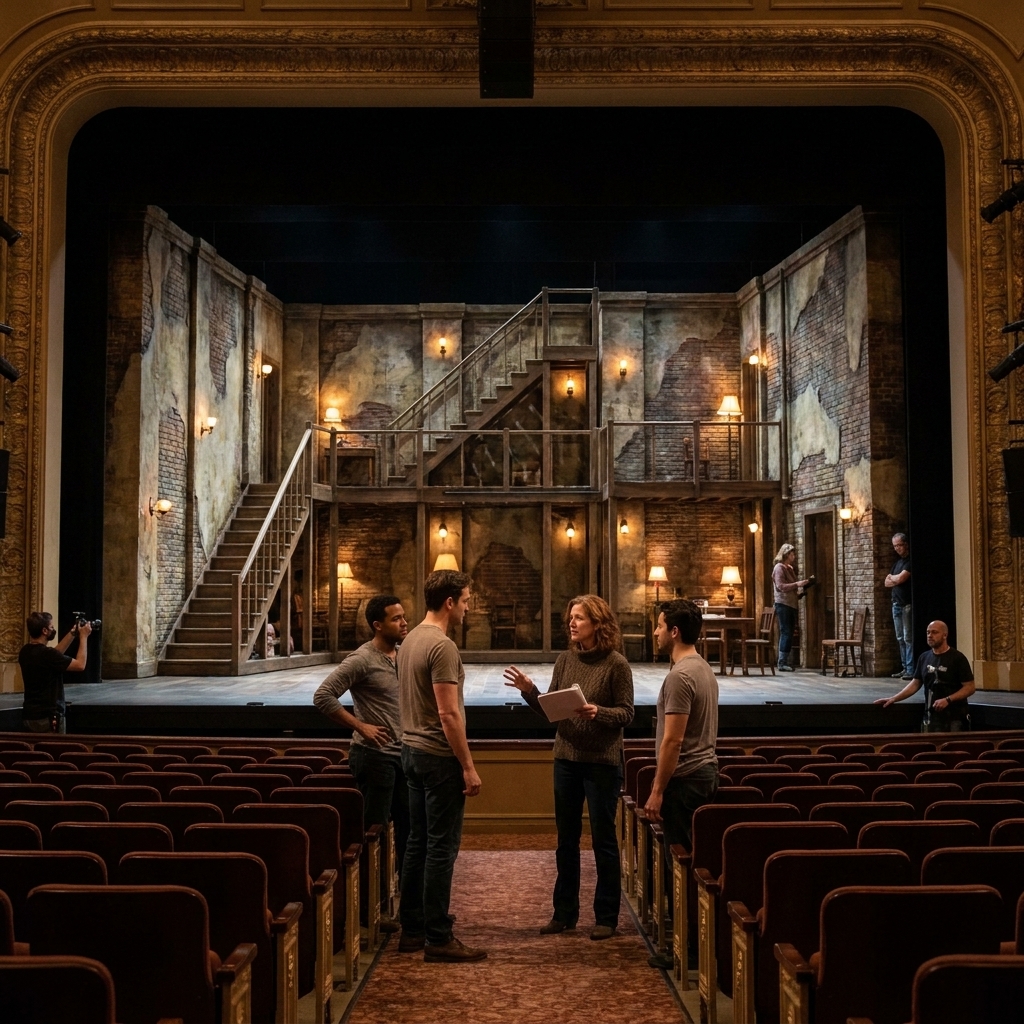
Contemporary dance sometimes strips things down. Rehearsal clothing, bare stages, and flexible use of space are common. This is not always minimalism for its own sake. It can be a way of saying: watch the body, not the decoration. It can also be a practical result of smaller budgets and touring needs, which is its own cultural reality.
And yes, presentation is political. Ballet’s history is tied to institutions, patronage, and very specific ideas about who gets to be centered onstage. Contemporary dance has often positioned itself as an alternative space, though it is still grappling with access, representation, and power like every art form.
What feels different now is the pressure, from within the field, to change the frame: more visible pushes for diverse casting and leadership, widening body ideals, and a slow rethinking of gendered partnering norms. Even pointe, once treated as a locked symbol, is being questioned and reimagined by artists and companies in ways that do not fit the old categories neatly.
Why audiences argue
Critics and audiences tend to judge ballet and contemporary dance by different instincts, even when they do not realize it.
What ballet-goers often crave
- Purity of technique, clean placements, musical precision
- Style, the intangible rightness of épaulement and phrasing
- Tradition, seeing beloved repertory carried forward
What contemporary audiences often prize
- Risk, the sense that something is being discovered in real time
- Presence, effort shown rather than masked
- Idea, choreography as argument, question, or experiment
Conflict happens when we bring the wrong measuring tape. If you walk into an abstract contemporary piece expecting a clear plot and princess costumes, you might feel stranded. If you go to a classical ballet looking for improvisational surprise, you might mistake discipline for emptiness. Both forms can be profound. They simply ask for different kinds of attention.
How to watch
I left academia partly because I grew tired of the idea that you need a password to feel something in a theater. You do not. You just need permission to be present.
Small shifts
- Follow one dancer for a full minute, then widen your gaze to the whole stage picture.
- Watch transitions, not just big tricks. How does a dancer arrive, and how do they leave?
- Notice weight. Are bodies floating, cutting, melting, resisting?
- Ask what repeats. Repetition is rarely accidental. It is often where meaning accumulates.
If you can, see both forms live. Screens flatten scale. In person, you feel the force of a jump land in your own ribs. You sense the hush before a balance. You notice the communal inhale when something risky is attempted. Dance is a social art even when it is wordless.
Where they meet
Some of the most exciting work today lives in the overlap. Ballet companies commission contemporary choreographers. Contemporary choreographers borrow pointe work or classical structure when it serves the piece. The old question of either or is slowly being replaced by a better one: what does this movement make possible?
At its best, classical ballet offers a distilled, luminous craft, the kind that makes technique feel like poetry. Contemporary dance offers permission to expand what poetry can be, including awkwardness, anger, tenderness, and the body’s real relationship to the ground.
Different tools, same essential promise: a human being in motion, making meaning out of time.
Quick FAQ
Is contemporary dance the same as modern dance?
Not exactly. Modern dance refers to specific 20th-century lineages and techniques that broke away from ballet. Contemporary dance is broader and often includes modern, ballet, and other influences.
Do contemporary dancers train in ballet?
Many do, especially in professional settings, because ballet builds strength, alignment, and clarity. But contemporary training can also be its own primary foundation depending on the school and the choreographic world a dancer works in.
Why does contemporary dance sometimes look messy?
Sometimes it is not mess at all, but a different aesthetic. Contemporary work may value visible effort, asymmetry, or rawness. The goal is not always polish, but presence and truthfulness in the body.
Can ballet be contemporary?
Yes. A ballet can use classical technique while addressing modern themes or movement ideas. Likewise, a contemporary piece can include very classical steps. The categories describe tendencies, not permanent borders.