There are nights when a performance is so good you forget the room you’re sitting in. And then there are rooms so good you can’t stop noticing them, even when the orchestra is already tuning. The best performing arts venues do both: they hold you, flatter the sound, and make you feel like you’ve stepped into a living artwork.
Below are ten venues I return to in my mind whenever I’m trying to explain why architecture matters to music. Some are unapologetically ornate. Others look almost modest until you hear what their walls can do. All of them are pilgrimages for culture enthusiasts, whether you go in velvet and heels or in a raincoat with a last-minute balcony seat.
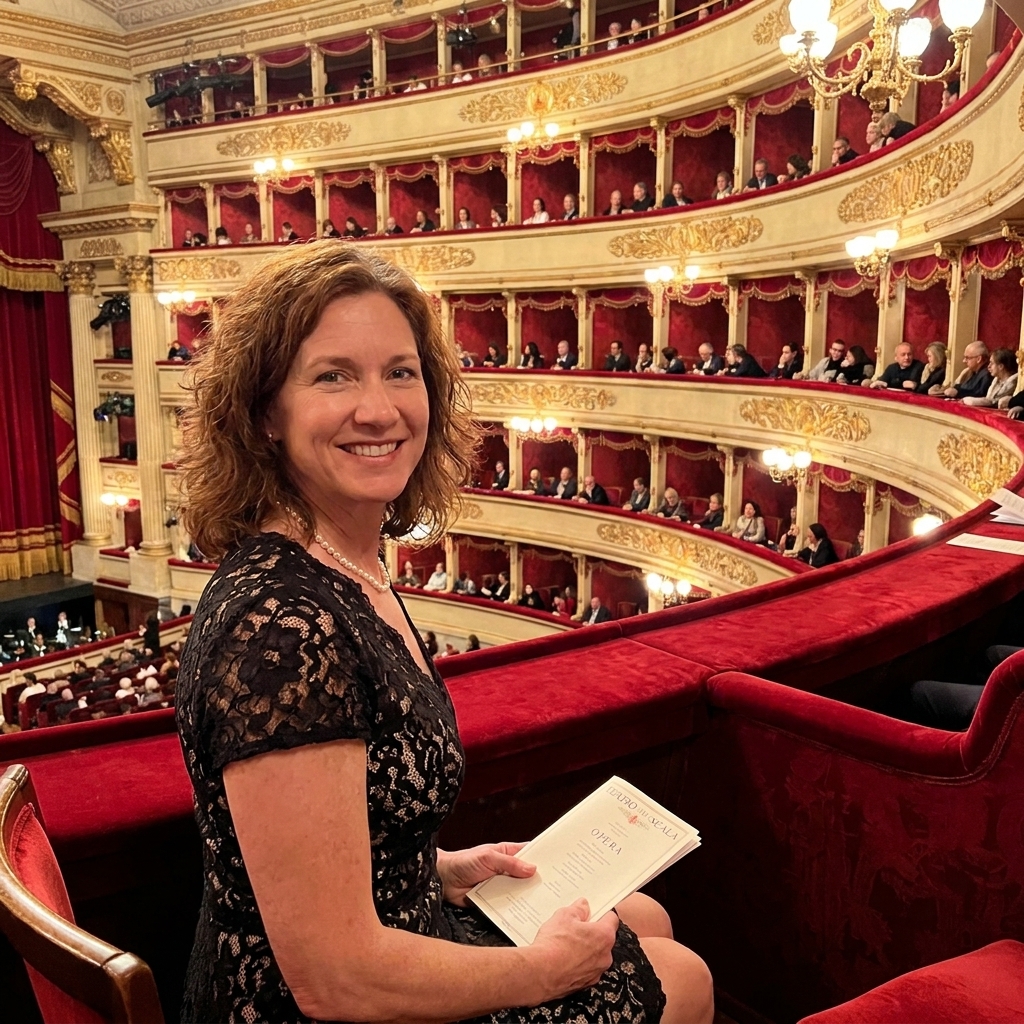
1) Teatro alla Scala, Milan
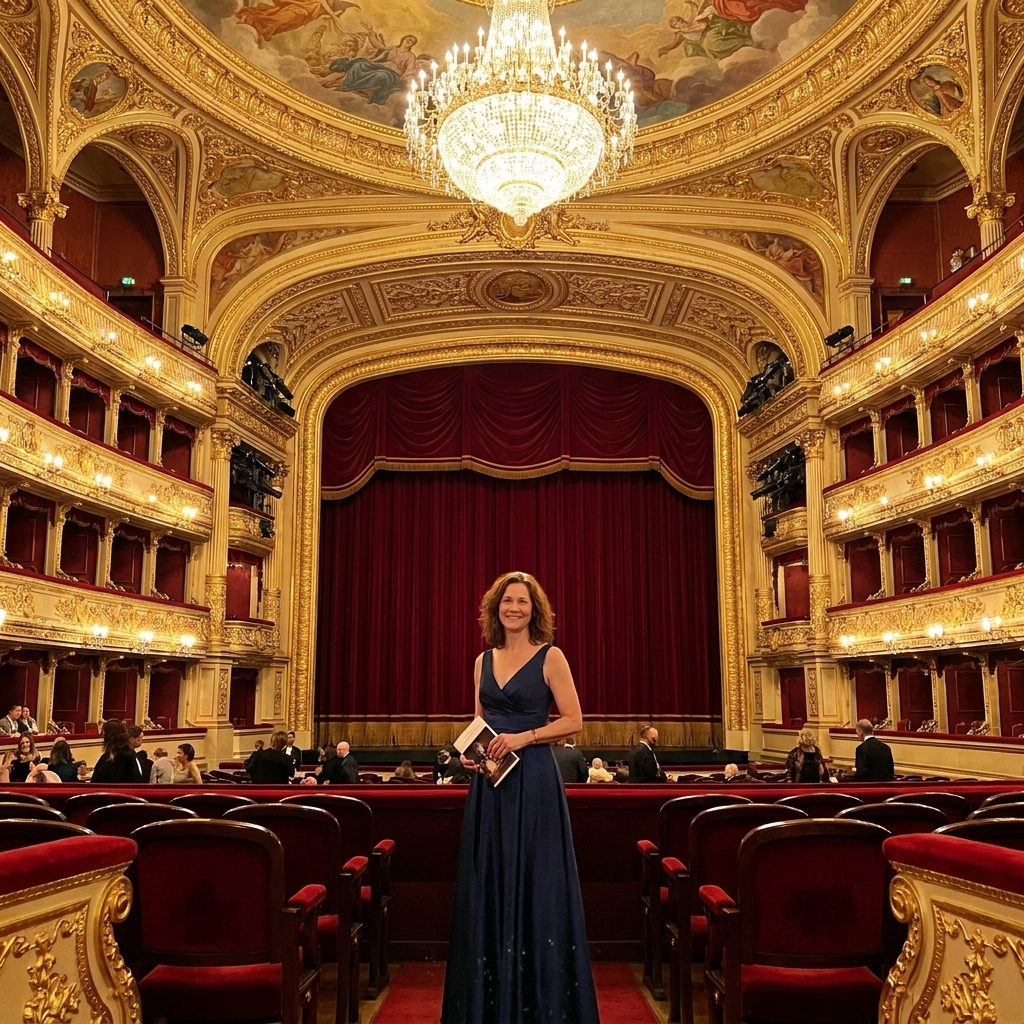
If opera has a holy of holies, this is it. La Scala’s power isn’t only the name on the marquee, it’s the way the room focuses attention. The classic Italian horseshoe auditorium wraps you in red velvet and gold, but it’s the proportions that do the real work: sound carries with clarity, and voices seem to stand up straight.
Why it’s iconic
- Architecture: An 18th-century opera house refined over time, with the famed horseshoe plan that became a model across Europe.
- Acoustics to listen for: Vocal presence that feels immediate, even from higher tiers, plus an orchestral balance that stays intelligible in fast passages.
- Small detail I love: The sense of ritual in the space, where even a quiet entrance feels like part of the choreography.
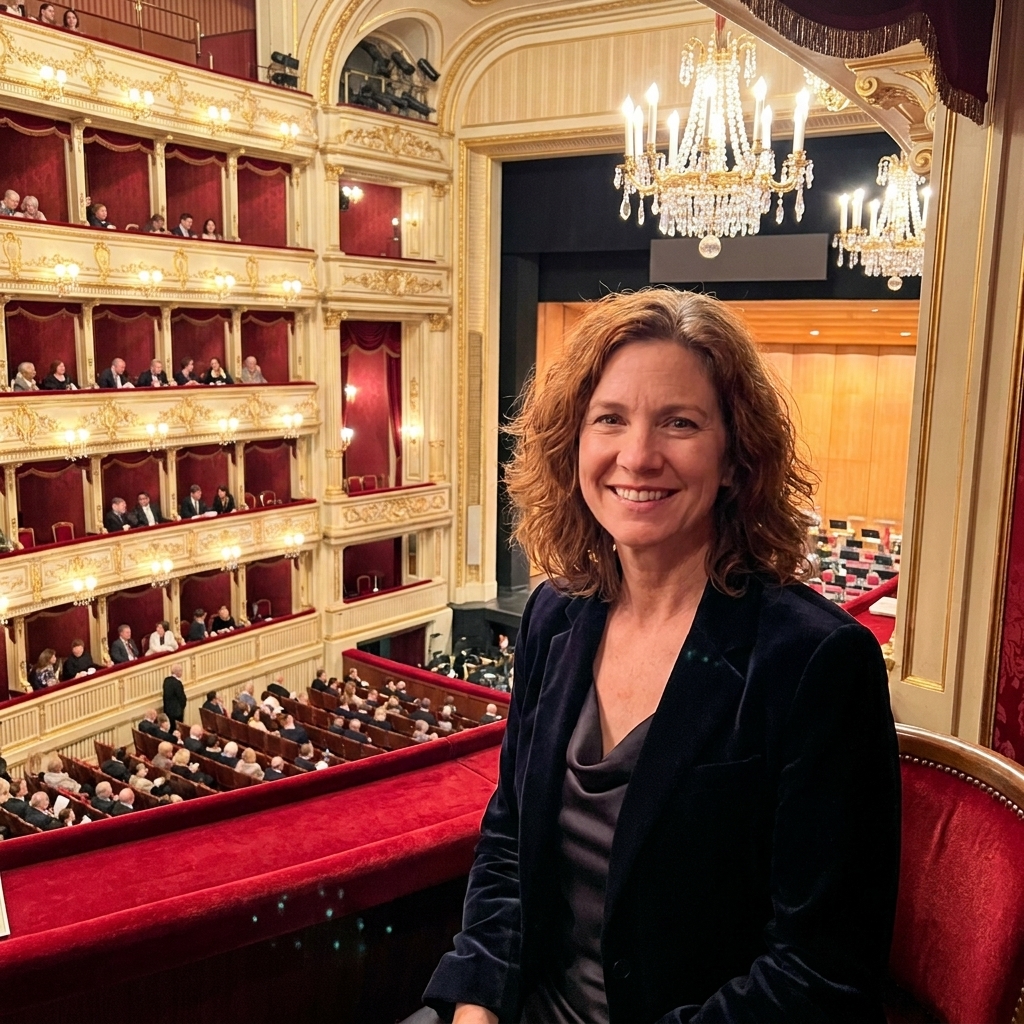
2) Wiener Staatsoper, Vienna
Vienna is a city that treats music like a native language, and the State Opera is one of its most fluent speakers. The building is grand without being cold, and the experience has that particular Viennese mix of discipline and romance. What you feel here is not just age, but continuity: a house opened in 1869, scarred by war, then rebuilt and returned to its work. The tradition is older than the plaster, and it still shows up night after night.
Why it’s iconic
- Architecture: Neo-Renaissance elegance that sets the tone before you even find your seat, restored after WWII with a careful hand.
- Acoustics to listen for: In my experience, a refined, blended sound in the hall that flatters both orchestra and ensemble singing.
- Go-to move: If you can, catch a repertory night and let the city’s musical routine sweep you along.
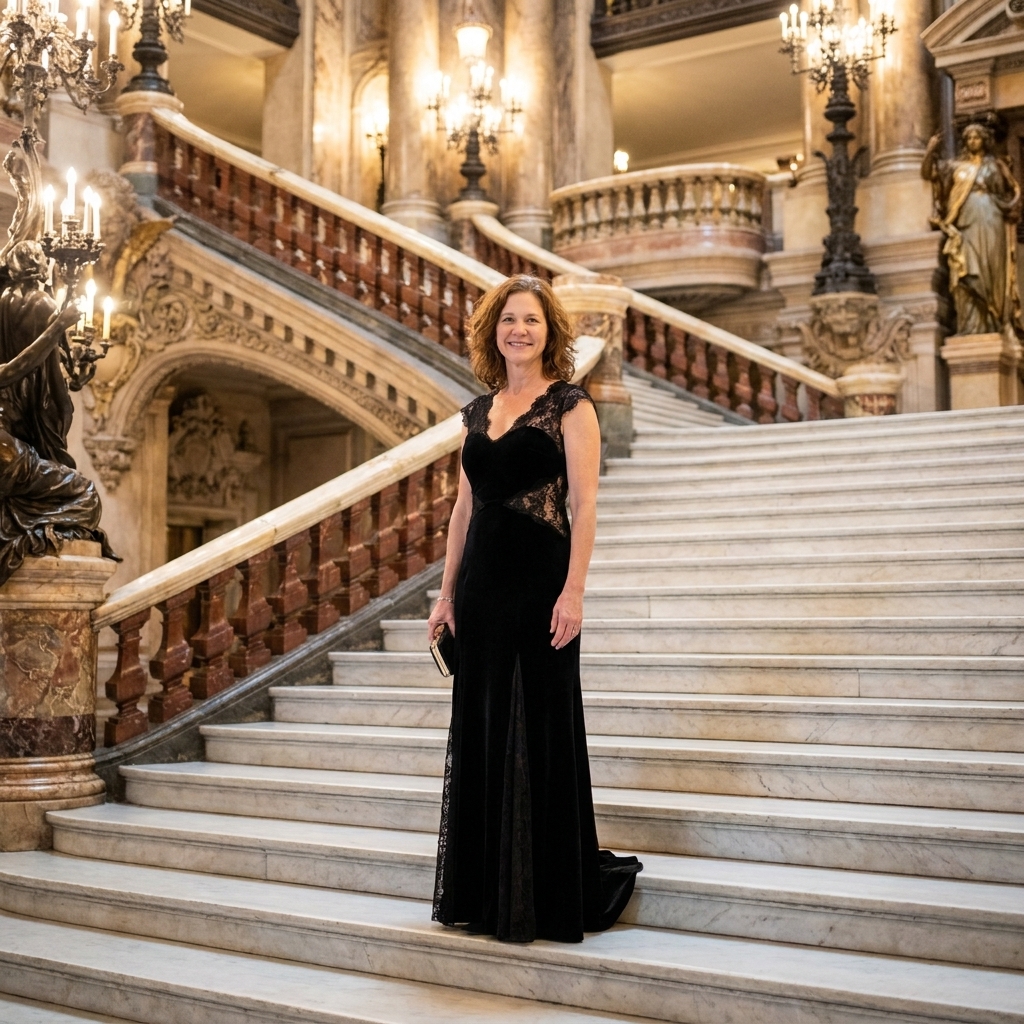
3) Palais Garnier, Paris
Garnier is opera as a full-body aesthetic experience. The grand staircase is practically a set, and the auditorium is a jewel box that insists you look up, then look again. It is not a minimalist temple to sound. It is a Second Empire and Beaux-Arts daydream with Baroque flair, a maximalist love letter to spectacle, with acoustics that still manage to serve the music.
Why it’s iconic
- Architecture: Second Empire and Beaux-Arts exuberance and theatrical circulation, built to make arriving feel like an entrance.
- Acoustics to listen for: A warm richness that, to my ear, suits romantic repertoire beautifully.
- Don’t miss: The ceiling, the ornament, the sheer audacity of the room’s visual rhythm.
4) Royal Opera House, London
Covent Garden is where tradition and practicality shake hands. It is a working house that still feels ceremonial, with a stage that can handle the big stuff and an auditorium that keeps the human scale. There is a steadiness to the sound here that, for me, makes even familiar works feel freshly spoken.
Why it’s iconic
- Architecture: A historic theater complex shaped by rebuilds and modern expansion, including bright public spaces that invite you to linger.
- Acoustics to listen for: Clear diction and strong projection, especially satisfying in opera and ballet where detail matters.
- Best vibe: Arrive early and let the building’s bustle become part of the evening.
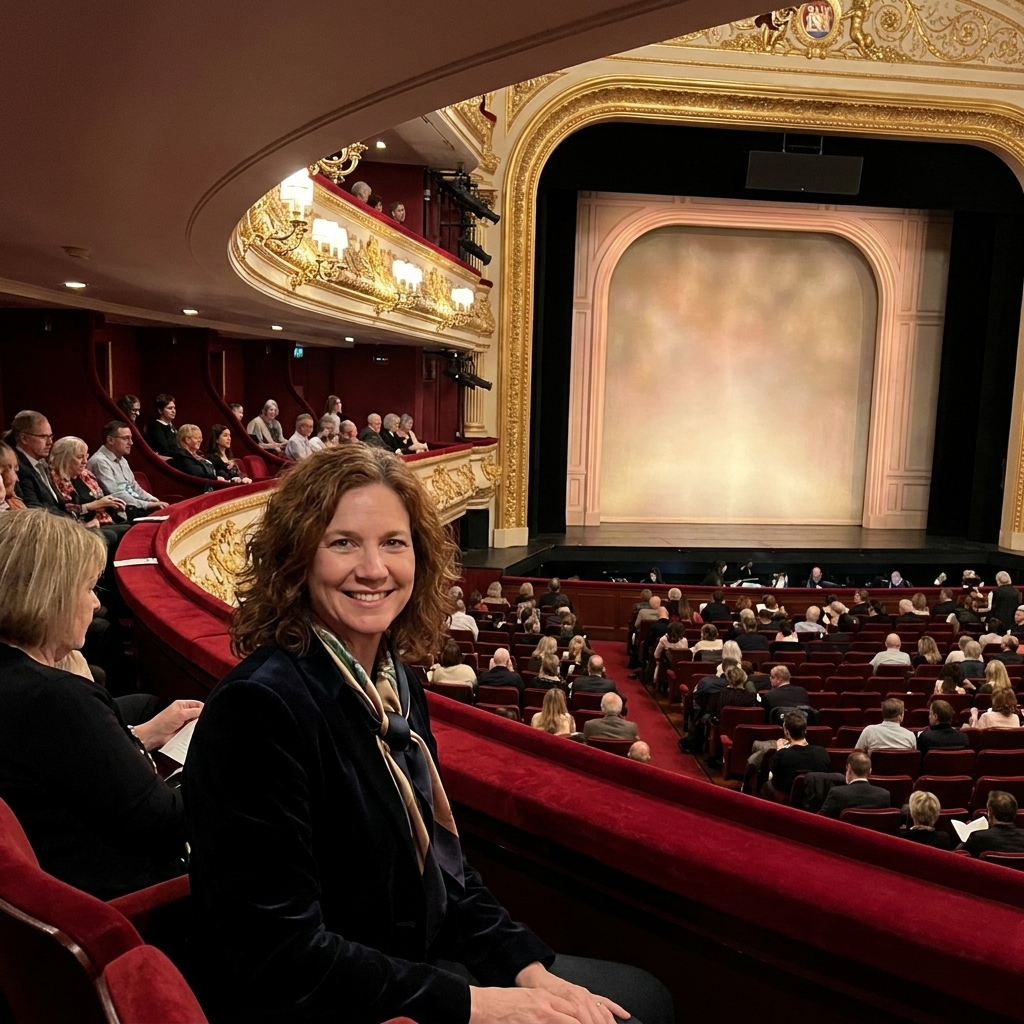
5) Metropolitan Opera House, New York
The Met is big, and it knows it. But what surprises first-timers is how the sound can still feel intimate when a singer leans into a phrase. The auditorium’s shape and materials help create a plush, enveloping bloom, and that signature Met scale turns certain operas into weather systems.
Why it’s iconic
- Architecture: Modern monumentalism at Lincoln Center, with a lobby that feels like a civic living room in formalwear.
- Acoustics to listen for: A generous reverberant warmth that, in performance, tends to suit large orchestras and big voices.
- Insider delight: The way the hall rewards stillness, those moments when the audience collectively decides to breathe less.
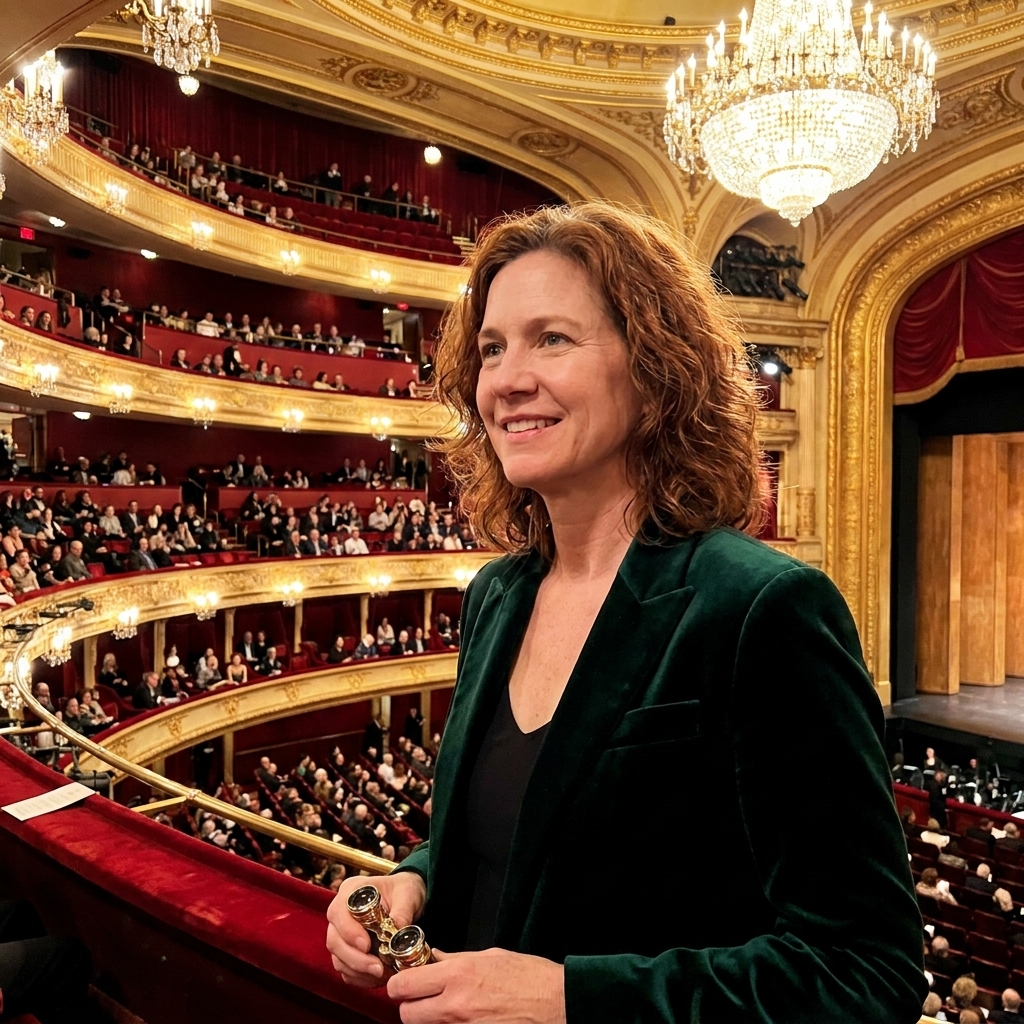
6) Carnegie Hall, New York
If the Met is a grand opera, Carnegie is a perfectly composed sentence. Stern Auditorium has an almost uncanny directness. You hear attacks, decays, and the tiny decisions musicians make in real time. It is not sterile. It is honest, and that is why artists talk about it with a mix of affection and healthy fear.
Why it’s iconic
- Architecture: A landmarked 19th-century hall with classical restraint and a celebrated horseshoe and hybrid geometry that helps focus sound toward the audience.
- Acoustics to listen for: Presence and clarity that reveal orchestral color without turning it into glare.
- Perfect for: Symphonic repertoire, chamber orchestras, and nights when you want to hear the hall listen back.
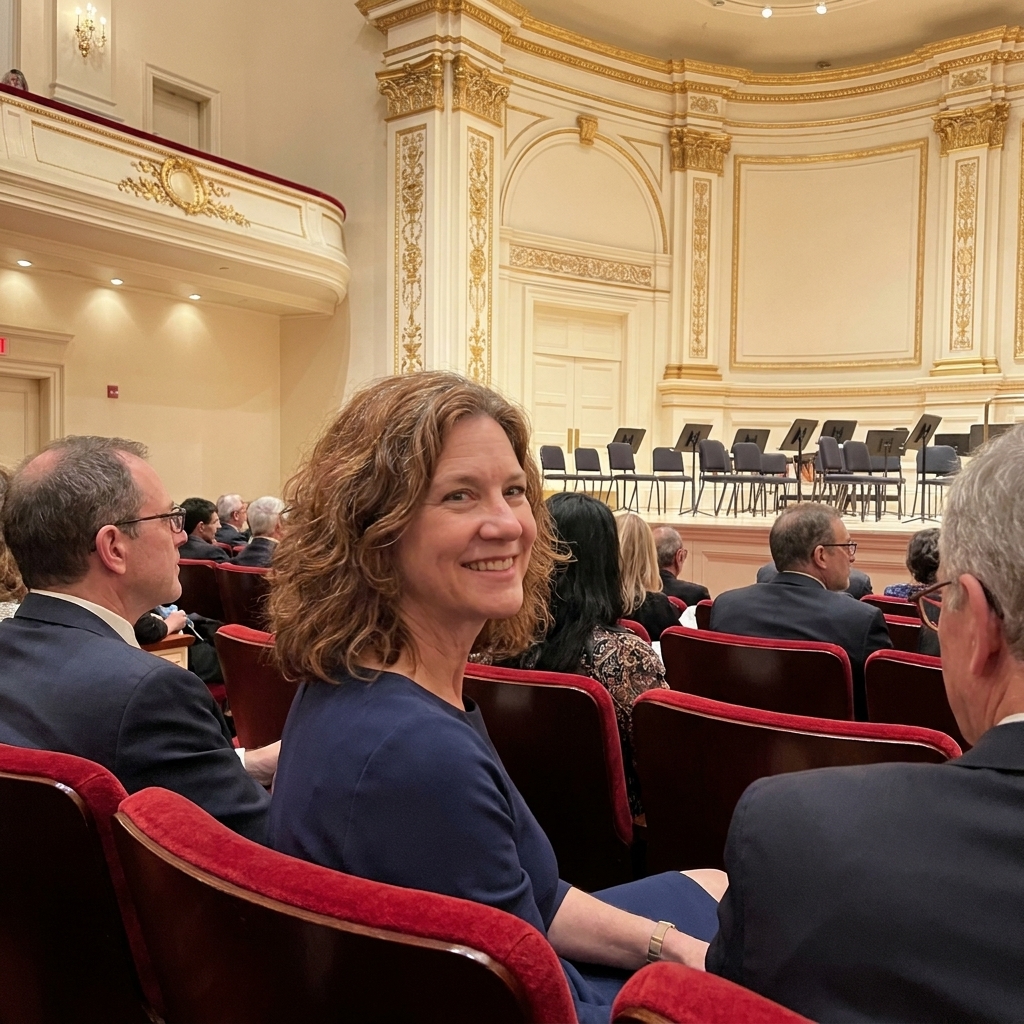
7) Musikverein, Vienna
The Golden Hall is one of those places where you start listening before the first note. The room is visually radiant, but its reputation is built on something less photographable: how it balances brilliance with warmth. The shoebox proportions, the ornate surfaces, and the room’s volume work together like an acoustic instrument.
Why it’s iconic
- Architecture: The archetypal gilded shoebox hall, ornate in a way that also serves diffusion.
- Acoustics to listen for: That famous blend, crisp articulation on top of a glowing body of sound.
- Signature experience: A waltz that feels like it is moving through air made for it.
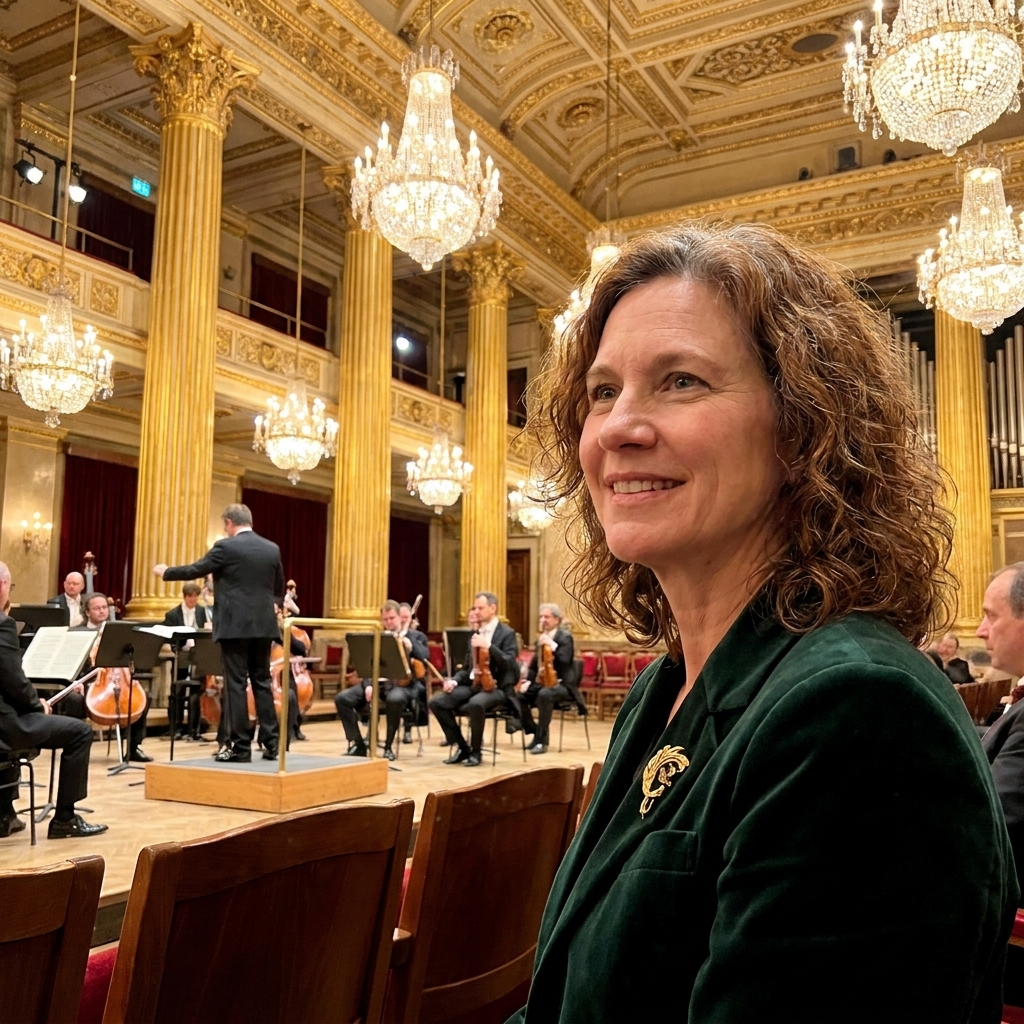
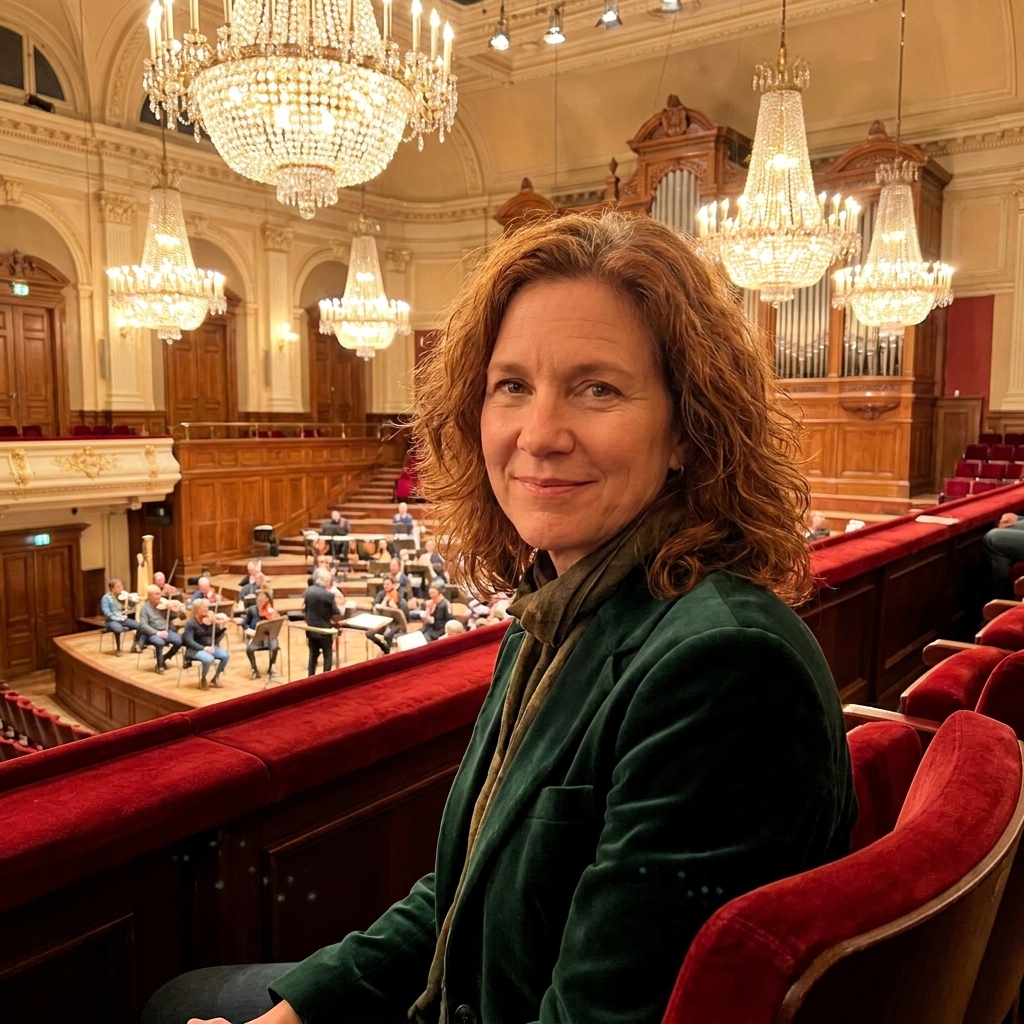
8) Concertgebouw, Amsterdam
Concertgebouw means “concert building,” which sounds almost shy until you’re inside and the orchestra starts. The hall is celebrated for a reason: it has a velvety resonance that makes strings feel human and brass feel noble rather than merely loud. It is a room that rewards lyricism.
Why it’s iconic
- Architecture: A classic 19th-century hall with a clear, elegant layout that keeps sightlines and sound paths disciplined.
- Acoustics to listen for: Long, flattering reverberation that still preserves detail, particularly in orchestral repertoire.
- Best seat strategy: Don’t stress too much. The hall’s reputation is rooted in consistency across the room.
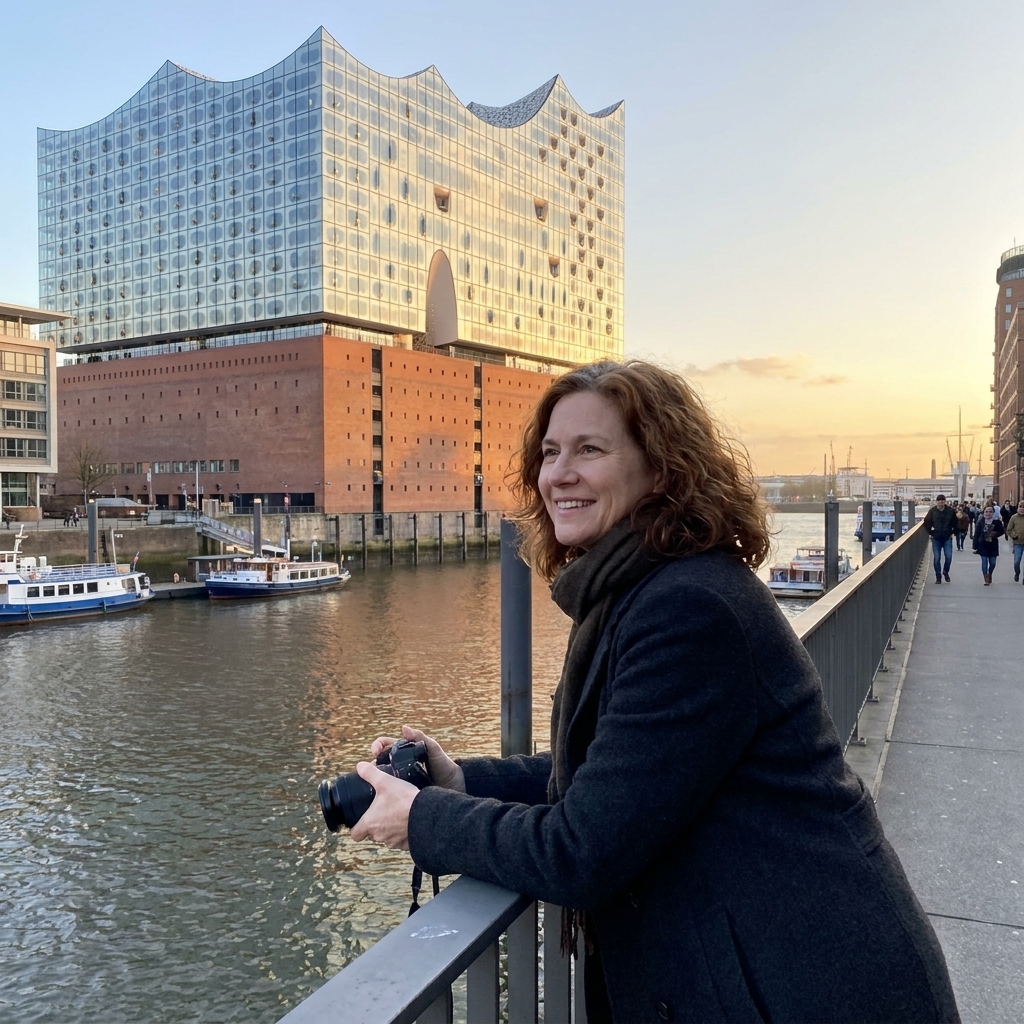
9) Elbphilharmonie, Hamburg
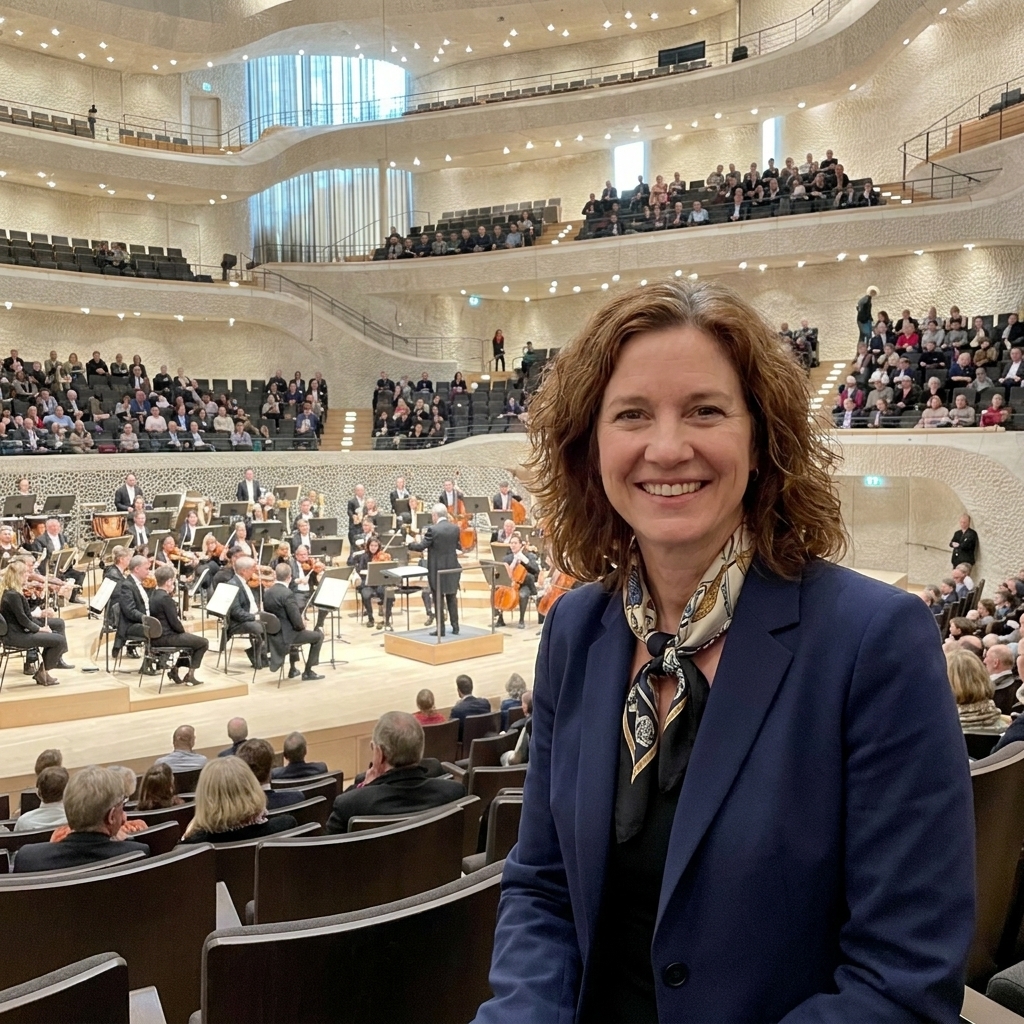
Elbphilharmonie is what happens when a city decides a concert hall should be both a sonic laboratory and a public landmark. The building rises from a former warehouse like a glass wave, and the main hall wraps around the stage in vineyard seating, pulling audiences into the music’s orbit.
Why it’s iconic
- Architecture: A striking old-and-new fusion, with a glass crown above brick, designed to be seen from across the harbor.
- Acoustics to listen for: Precision and transparency, with sound shaped through complex surface design and careful isolation from city vibration.
- Listen for: The way quiet details stay legible, like the hall is gently insisting on intimacy.
10) Walt Disney Concert Hall, Los Angeles
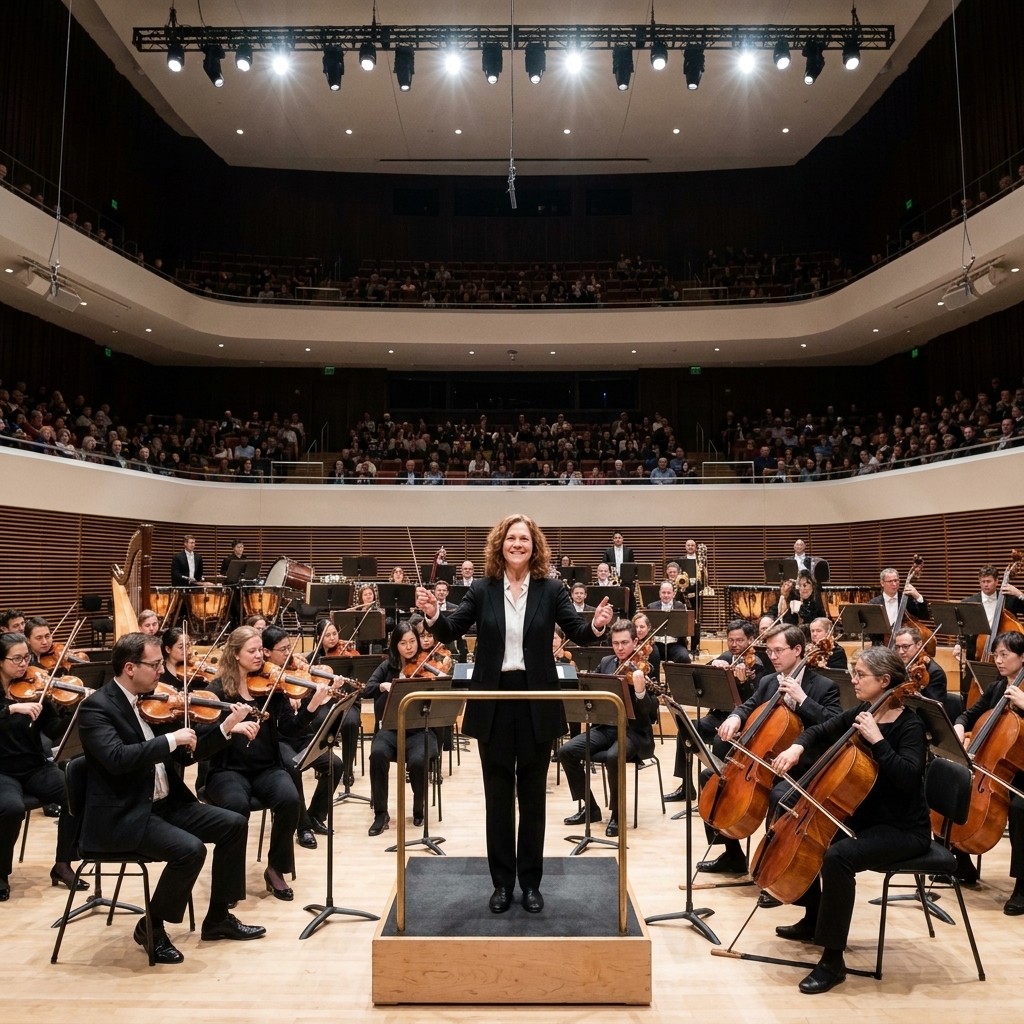
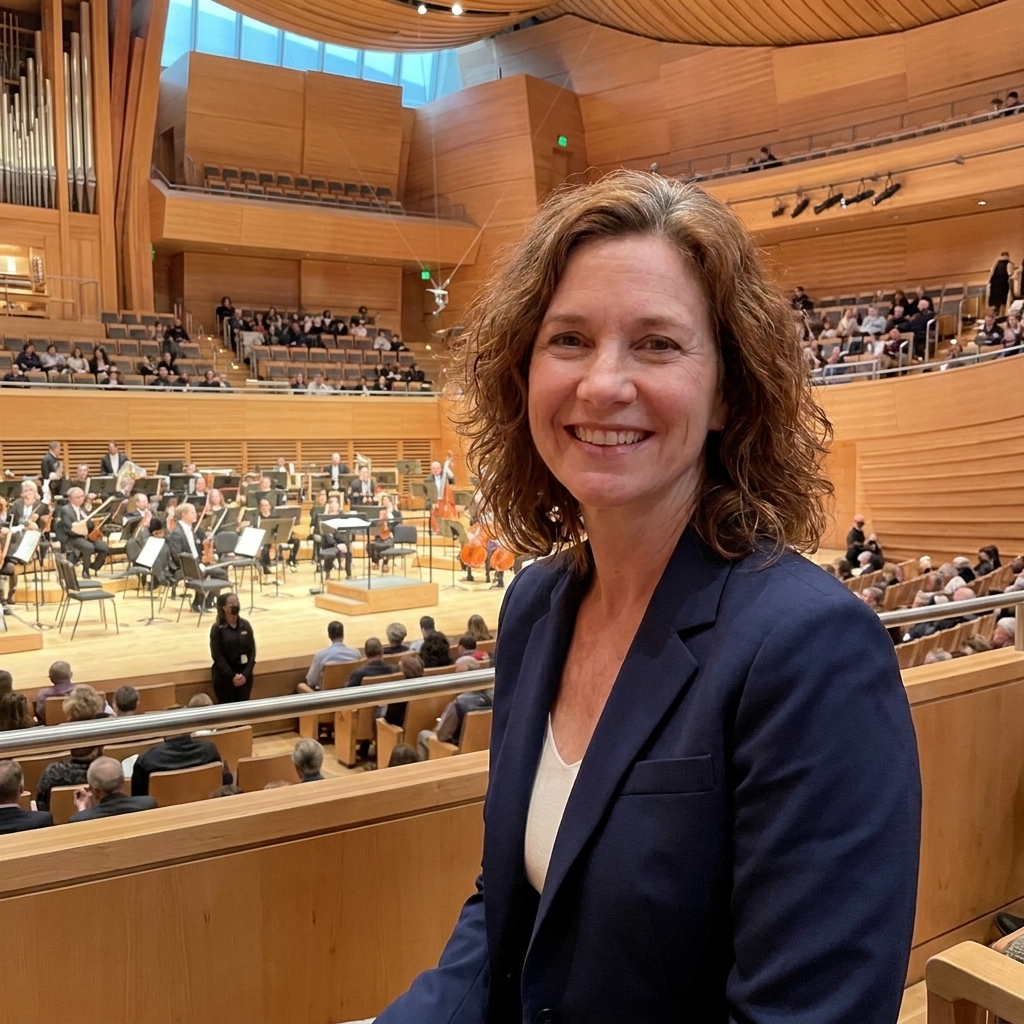
Frank Gehry’s stainless steel sails are the headline, but the real romance is inside: warm wood, vineyard seating, and acoustics that make the orchestra feel three-dimensional. This is a hall that turns listening into a physical sensation. You can almost locate instruments in the air.
Why it’s iconic
- Architecture: Sculptural exterior with an interior that feels like a wooden ship turned into a sanctuary.
- Acoustics to listen for: A lively, detailed sound that supports both punchy modern works and lush late-romantic repertoire.
- Don’t rush: Give yourself time to walk around the building. It is part concert hall, part urban sculpture.
How to listen
I’m a firm believer that you don’t need technical vocabulary to appreciate acoustics. You just need a few gentle prompts. Also, a note of honesty: a lot of what we call “great sound” is part measurement, part memory, and part where you are sitting. Think of the notes below as listening invitations, not verdicts.
- Clarity: Can you pick out individual lines, like the second violins or a clarinet countermelody?
- Warmth: Does the sound feel plush and rounded, or lean and bright?
- Blend: Do instruments fuse into a single body, or do they stand apart like soloists sharing a stage?
- Intimacy: When someone plays softly, does it feel closer rather than smaller?
And if you want the simplest test of all: notice how the hall handles silence. In a great venue, the quiet feels cared for.
Planning notes
- Tour days matter: Many houses offer daytime tours that let you savor architecture without performance adrenaline.
- Dress norms vary: Some cities still lean formal, others are proudly relaxed. When in doubt, aim for neat and comfortable and let the locals set the mood.
- Opera newcomer tip: Supertitles and seatback screens are your friends. A quick plot skim can turn confusion into delight.
- Balcony seats can be magical: Especially in classic horseshoe opera houses, the height can sharpen your sense of the room.
- Modern halls vary by seat: Vineyard-style venues can feel different from section to section. If you are picky, check a seating chart or a few listener notes before buying.
- Program choice is part of it: A hall that makes Mahler feel like a cathedral may make baroque feel a touch too plush, and that contrast is part of the fun.
Wherever you start, go with curiosity, not intimidation. These buildings were made for crowds, for communal breath, for the shared thrill of live sound.