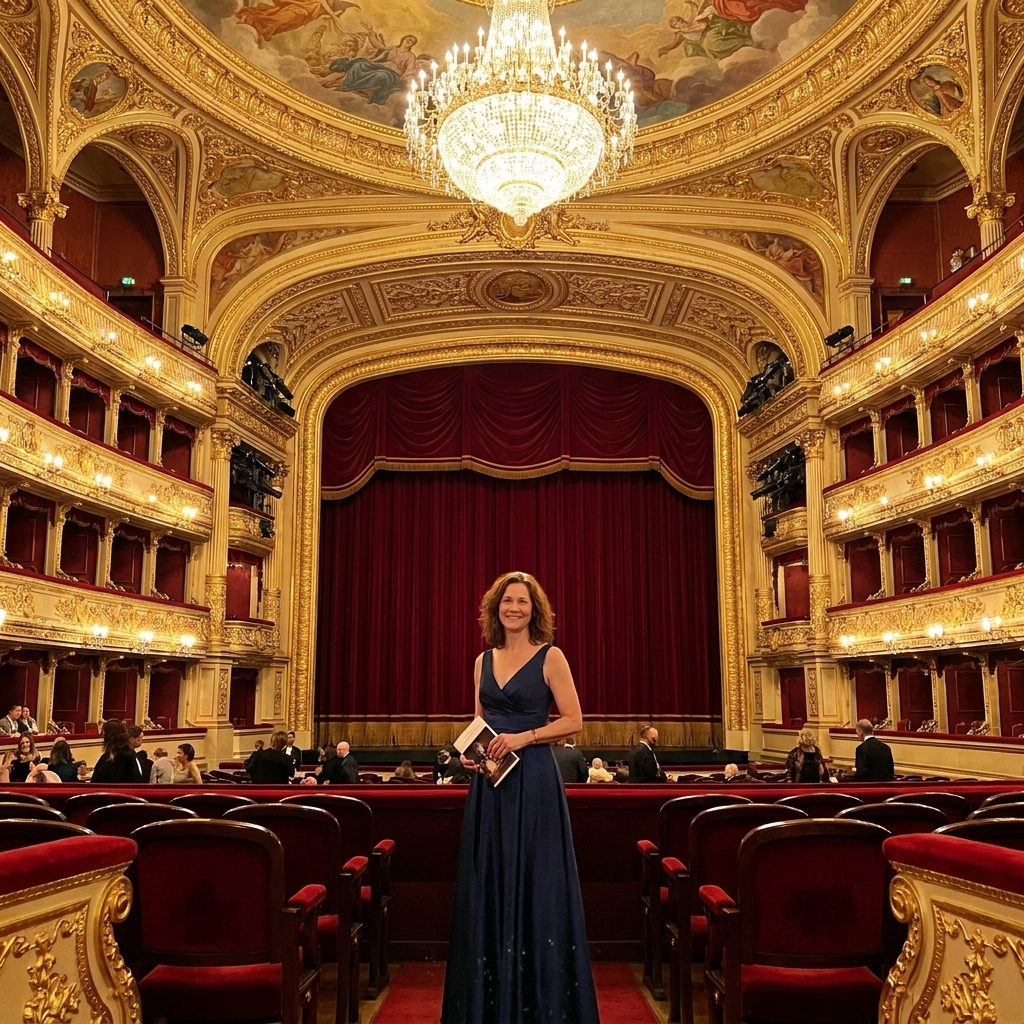
Opera has a reputation for being intimidating, like you need a secret handshake and a degree in Italian vowels just to find your seat. You do not. You just need a few quiet, human rules that help everyone in the room hear what they came for: unamplified voices doing the impossible.
Think of this as the friend-to-friend briefing I give before we step into the velvet and gilt. Not a list of gotchas, more like how to move through the night with ease, respect, and a little sparkle.
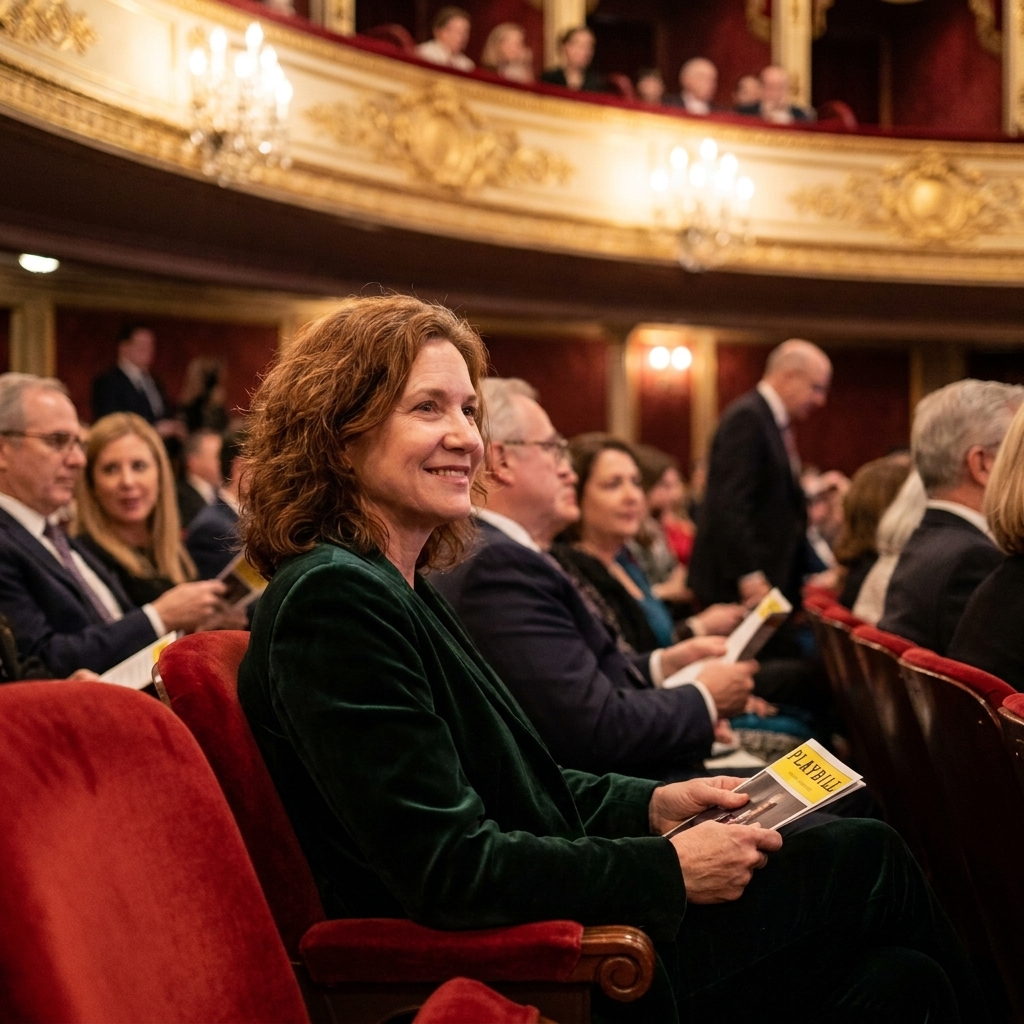
Opera etiquette is not about being fancy. It is about protecting the shared silence where the story can land.
1) Arrive earlier than you think you need
Opera houses are gorgeous, and they are also logistical puzzles. There are stairs, coat checks, restrooms with lines, and a lobby full of people trying to do the exact same thing you are doing.
- Aim for 30 minutes early if you want time to find your seat calmly and read the synopsis.
- Aim for 45 minutes early if you are picking up tickets, checking a coat, or meeting friends.
Why it matters: late seating is often held until a scene break, and nothing feels worse than being paused in the aisle while the soprano is mid-miracle.
2) Dress for the room, not for a costume drama
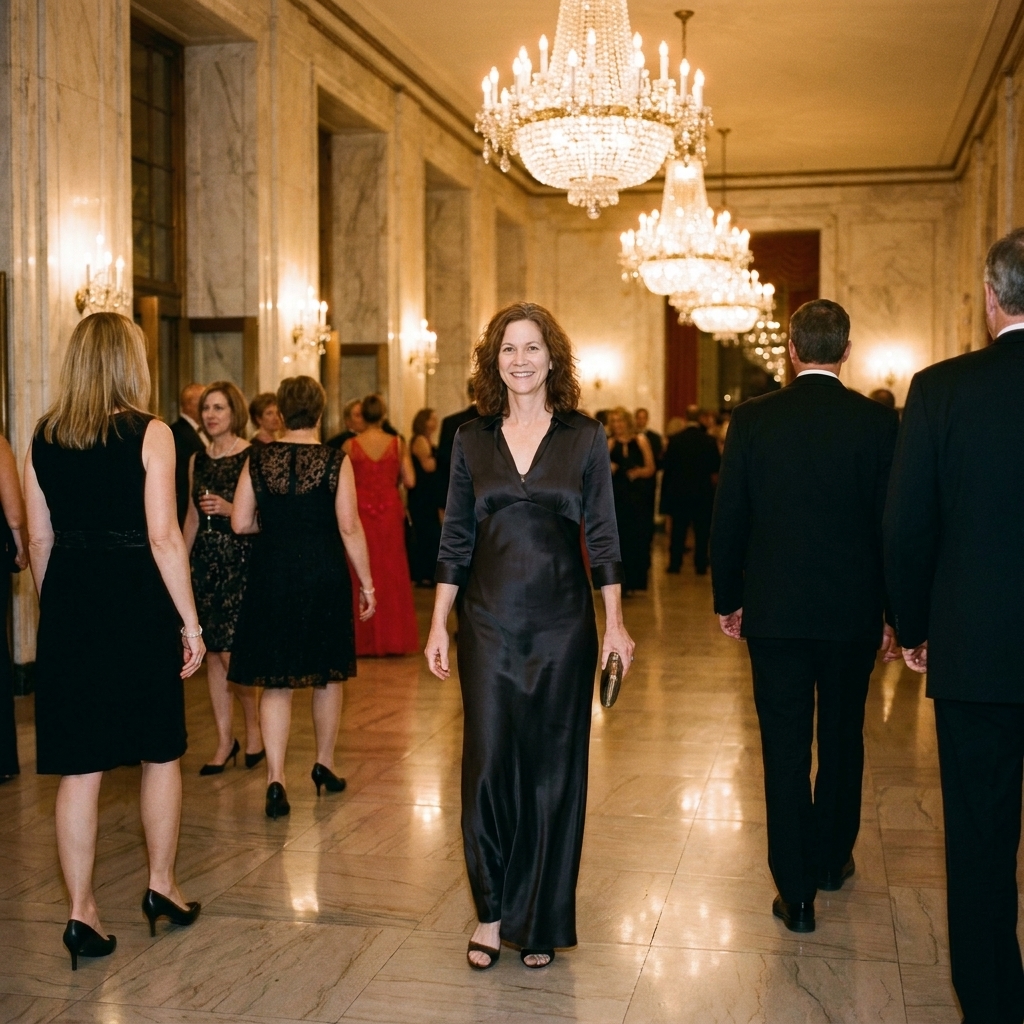
Yes, there are still opening nights where it is tuxes and gowns. Most nights, it is far broader than people expect: dark jeans with a blazer, cocktail dresses, smart separates, clean shoes. If you look like you put thought into it, you are doing it right.
A practical cheat sheet:
- Weekend matinee: polished casual, like you are going to a nice dinner.
- Evening performance: cocktail-level is always safe.
- Gala or premiere: check the venue page, but formal is common.
One unspoken truth from years in theaters: the most stylish people are usually the ones who look comfortable. Opera is long. Let your outfit breathe.
3) Do the “seat routine” before the lights dim
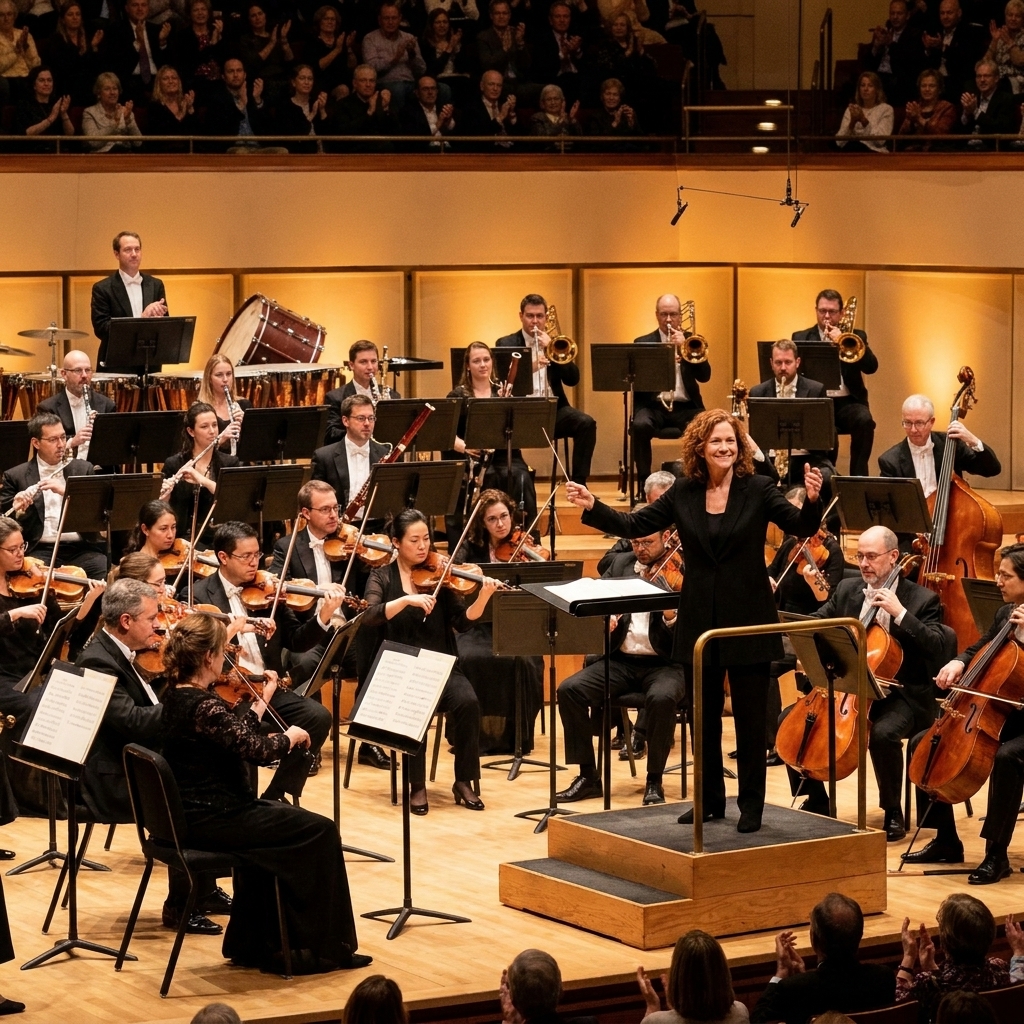
Once the conductor steps up, the room shifts. That is your cue that the social part is over and the listening part begins.
- Turn your phone fully off, or at minimum to airplane mode with all sounds disabled.
- Unwrap cough drops now, not later.
- Settle your bag so you will not be digging during a quiet passage.
- If you are prone to sniffles, keep tissues accessible.
Even small noises travel in an opera house. The acoustic design is doing its job, and unfortunately it is also amplifying your candy wrapper like it is part of the percussion section.
4) If you are late, accept the pause button
Most opera houses have a late-seating policy, and it is not a punishment. It is simply the least disruptive option for the artists and the people who arrived on time.
If you come in after the start:
- Follow the usher’s instructions, even if it means waiting in the back for a few minutes.
- Move quickly and quietly when you are waved in.
- Do not whisper apologies down the row. A smile and a careful step is enough.
Opera is built on focus. You are not missing the show forever, you are just entering at a moment that protects everyone else’s concentration.
5) Learn the applause map (without overthinking it)
This is the one everyone worries about. Here is the friendly version: if you clap with sincerity, you will be fine. But if you want to feel extra confident, use these cues.
When clapping is welcome
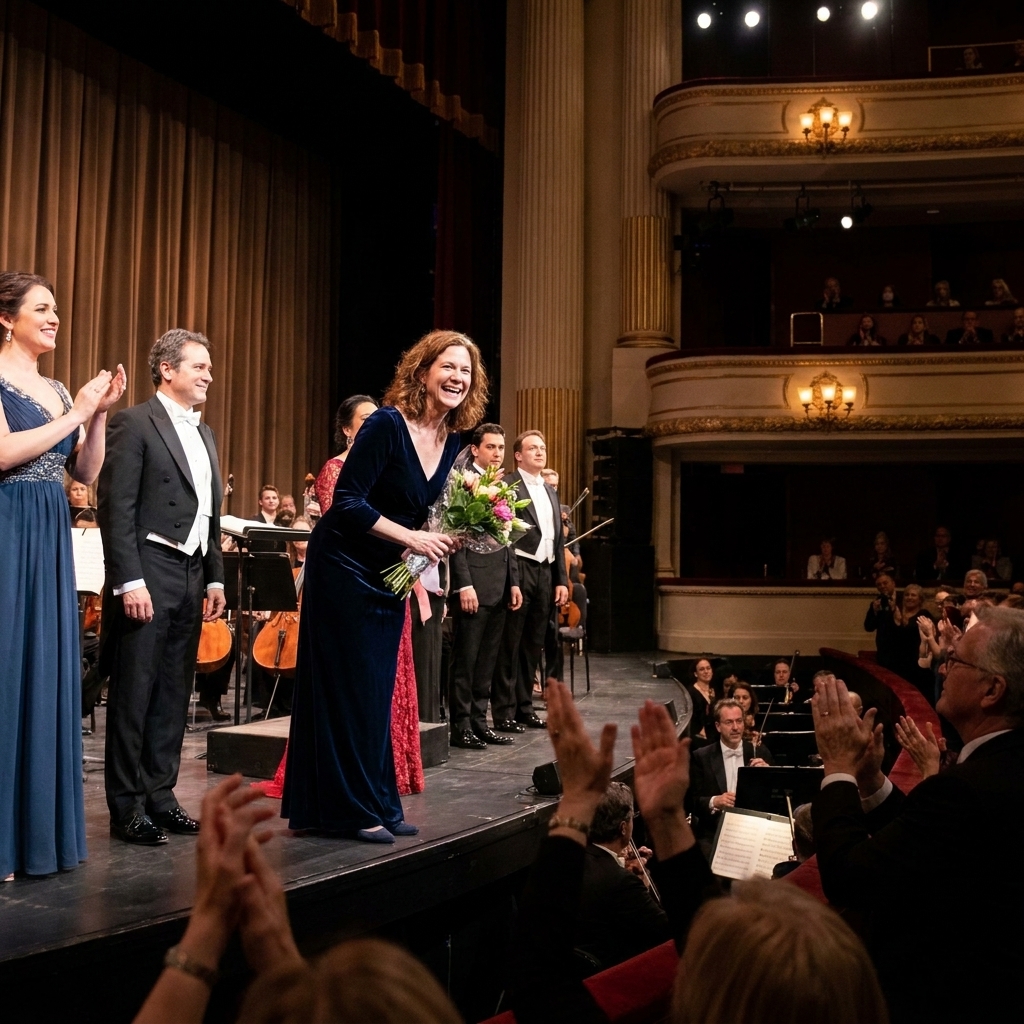
- At the end of an aria or a big solo moment, especially if the orchestra gives a clear cadence and the singer holds the final pose.
- When the conductor lowers their hands at the end of an act or the whole opera.
- When the audience starts enthusiastically after a standout moment. Opera crowds are generous and communicative.
When to hold back
- Between continuous sections of music, especially in very dramatic scenes where the tension is meant to remain unbroken.
- During soft endings where the last note dissolves rather than lands.
If in doubt, give it a heartbeat. The room will tell you what it needs.
6) Save conversation for intermission, and keep it short there too
During the performance, there is no whisper that stays private. Opera houses are engineered for sound, and that includes yours.
At intermission, conversation is part of the fun. Still, a couple gentle guidelines help:
- Keep critiques kind because artists, donors, students, and staff mingle in lobbies more than you would think.
- Do not spoil plot points loudly near people who are experiencing the story for the first time.
If you need to decode what just happened, I love you for it. Just do it at a normal speaking volume.
7) Food and drink stay in the lobby unless the venue says otherwise
Many opera houses allow drinks in designated areas and restrict them in the auditorium. Follow the venue rules, but here is the etiquette layer underneath: avoid anything noisy, fragrant, or spill-prone near plush seats and formalwear.
- Skip crinkly snacks.
- Be mindful with perfume or cologne. Strong scents can be genuinely distracting in close seating.
- If you do bring a drink in, place it securely and do not fidget with ice or lids.
The goal is simple: let the only drama be onstage.
8) Coughing happens, but manage it like a pro
Opera runs through cold season, allergy season, and that mysterious season where theaters just make you thirsty. No one expects you to be a statue. They do appreciate strategy.
- Use a cough drop early if you feel it coming.
- Cough into a fabric like your sleeve or scarf to soften the sound.
- If it is relentless, slip out at a scene change and come back quietly.
The kindest thing you can do is treat your cough like you would treat a ringing phone: not as a moral failing, just as something to handle quickly and discreetly.
9) Photos are almost always a no, and your screen is brighter than you think
Many venues prohibit photography and recording during the performance for legal and artistic reasons. But even when it is not strictly enforced, the etiquette is clear: do not do it.
A glowing screen reads from rows away, especially during dim scenes. If you must check something urgent, step out. Otherwise, let yourself be unreachable for a few hours. It is one of the great luxuries opera still offers.
If you want a souvenir, take your photo in the lobby before the show or during intermission. It will look better anyway.
10) Curtain calls are for gratitude, not a sprint to the exits
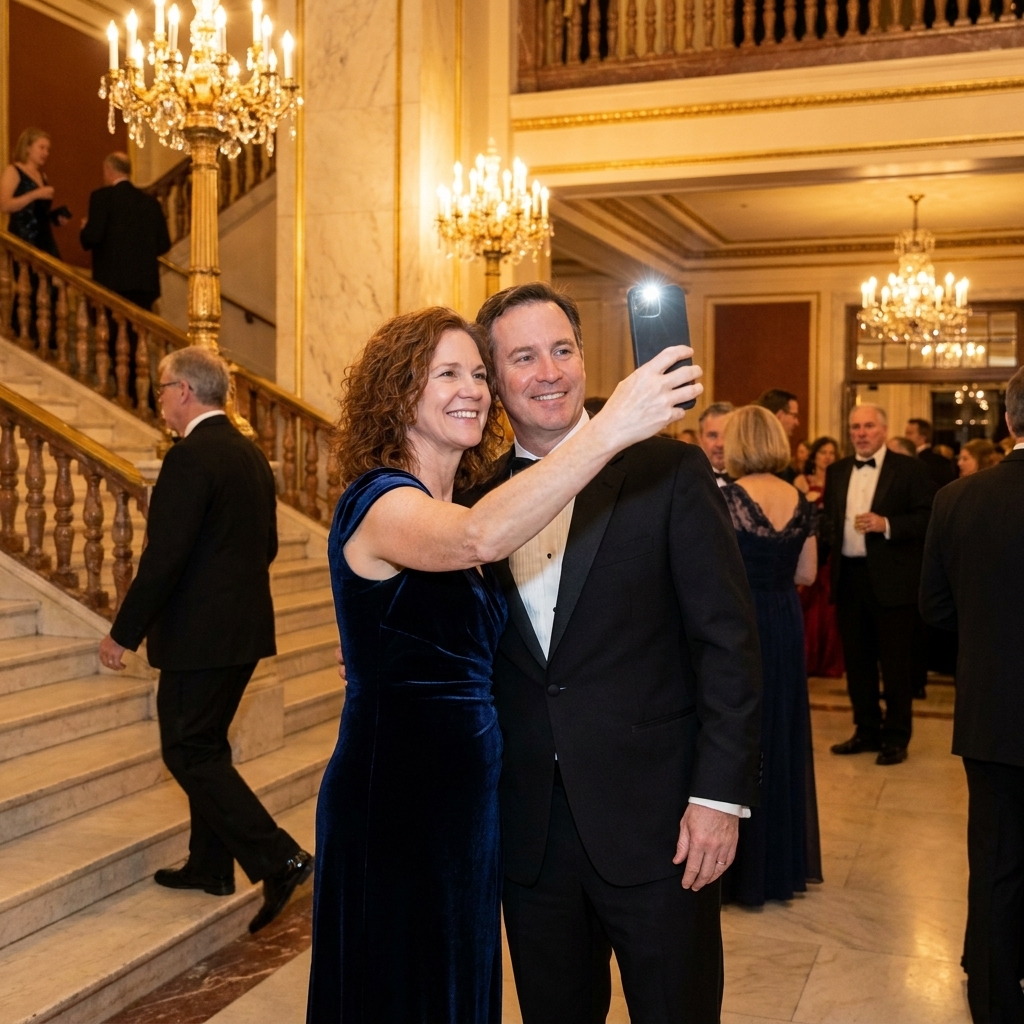
The end of the opera is not just the end of the story, it is the moment the room becomes a community. Curtain calls are how opera thanks you for listening, and how you thank the artists for giving you their lungs, nerves, and hearts.
- Stay if you can. Leaving early can feel deflating for performers, especially in smaller houses.
- Applaud the principals, then the ensemble. When the conductor comes out, applaud again. They have been steering the ship all night.
- Standing ovations are common, but not required. Stand when you feel moved, not when you feel pressured.
If you loved it, let it show. Opera thrives on a responsive audience.
Quick confidence boosters
How long is an opera, usually?
Most run 2.5 to 3.5 hours including intermission, but it varies wildly. Check the running time in advance so you are not surprised by a late-night final chord.
Do I need to understand the language?
No. Most houses use supertitles, and even without them, opera communicates through tone, gesture, and musical color. Read a short synopsis beforehand and you will catch more than you think.
What if I clap at the “wrong” time?
You will survive, I promise. If it happens, just stop when you realize and settle back in. The most seasoned opera-goers have done it too. The bigger win is showing up and listening.
Is it okay to bring binoculars?
Absolutely. Small opera glasses are traditional, and regular compact binoculars work too. Just keep them low and quiet.
One last thing
Opera etiquette is basically kindness with good timing. You are entering a room where hundreds of people are trying to feel something together, and the performers are doing it without microphones, night after night. If you arrive prepared, stay present, and let the music have the space it deserves, you will not just look like you belong. You will feel it.
And if you catch yourself holding your breath during a high note, welcome. That is the club.