Opera has a reputation for being a jeweled box: ornate, expensive, a little intimidating to open. But the secret is that opera has always been a laboratory, too. It is where composers, poets, painters, architects, and stage tinkerers keep trying to answer one impossible question: how do you make emotion visible?
The five operas below did not just succeed. They changed what the art form could credibly attempt. They shifted how singers inhabit character, how orchestras carry subtext, how staging serves drama, and how audiences learn to listen. If you have ever felt your breath catch in a dark theater, these are some of the ancestors of that feeling.
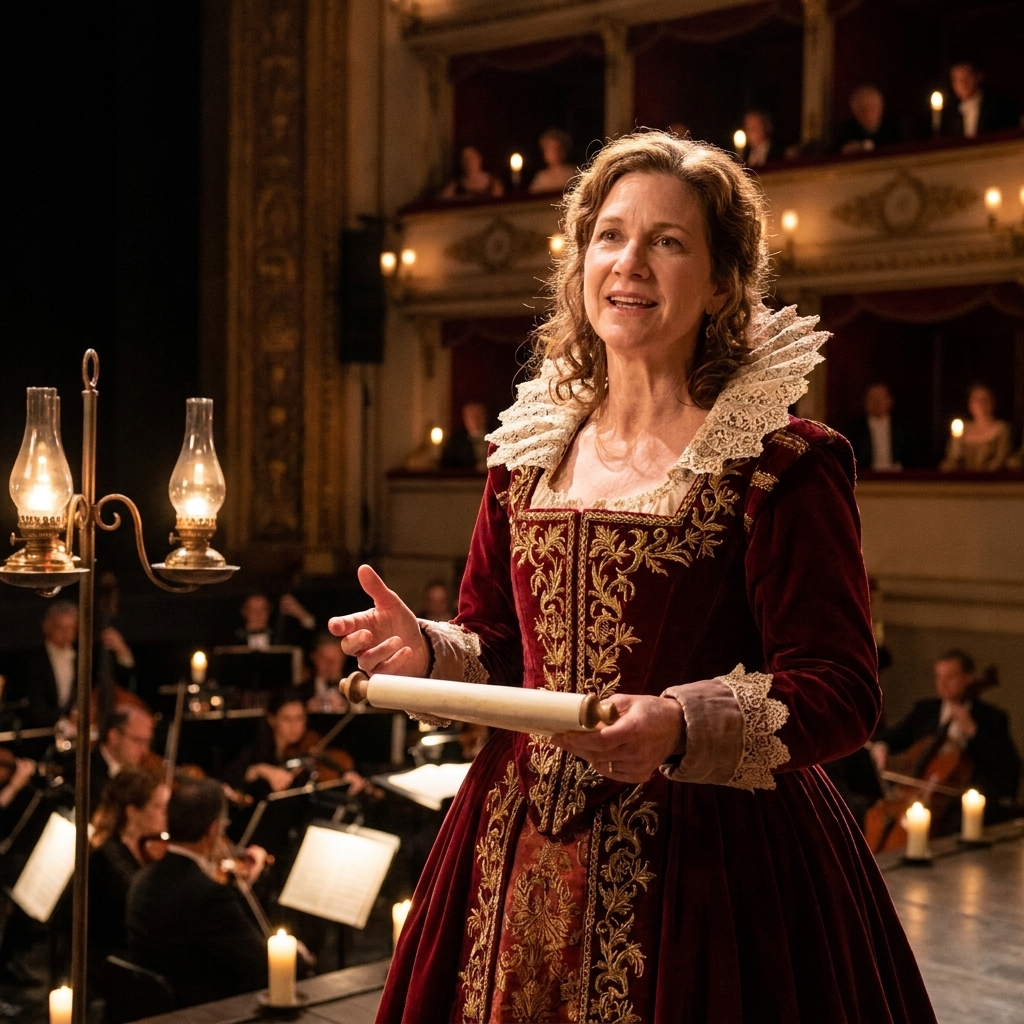
1) Claudio Monteverdi’s L’Orfeo (1607)
If opera is a language, L’Orfeo is one of its first sentences that actually sounds like someone speaking from the heart. Before Monteverdi, the new genre was still finding its voice, half philosophy experiment and half court entertainment. With L’Orfeo, the stakes become human.
What made it revolutionary
- Drama as the engine. Monteverdi treats music like a spotlight that follows thought. Recitative is not filler here. It is the nervous system of the story.
- Orchestration as emotional design. He assigns specific instrumental colors to mood and realm. The underworld feels different because it sounds different, darker and more grainy, like the air itself changed.
- A new kind of realism. Not realism in costumes or sets yet, but in psychology. Grief arrives in the voice with an ache that is startlingly direct.
When I teach friends how to listen to early opera, I always say: listen for the moment the music stops trying to be “beautiful” and starts trying to be true. Monteverdi is already there in 1607.
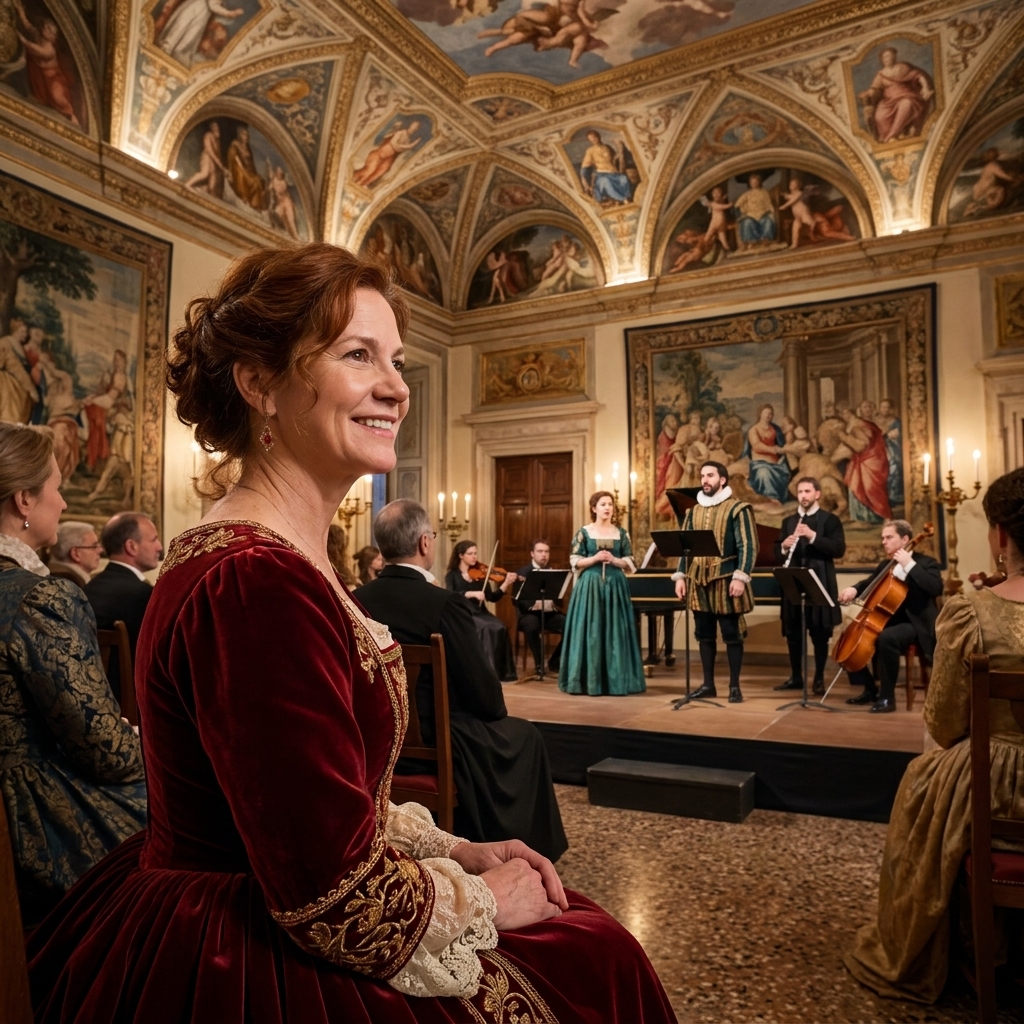
2) Wolfgang Amadeus Mozart’s Le nozze di Figaro (1786)
Some operas revolutionize with thunder. Figaro revolutionizes with people. Mozart and librettist Lorenzo Da Ponte take a so-called “comedy” and smuggle in a full social ecosystem: servants, aristocrats, young lovers, older women with bruised dignity, and a count whose power is both ridiculous and dangerous.
What made it revolutionary
- Ensembles that feel like real time. Mozart turns overlapping voices into stagecraft. In the big finales, you can practically see characters thinking, interrupting, doubling back, lying, then being caught mid-breath.
- Women with interior lives. The Countess’s arias are not decorative sadness. They are portraits of someone trying to remain tender while being publicly diminished.
- Comedy as critique. The laughter is not a release valve. It is a scalpel. The opera’s warmth makes its critique land harder.
Visually, Figaro helped normalize a more inhabited stage world. Not just palaces as pretty backdrops, but rooms where doors matter, hiding places matter, and architecture becomes choreography.
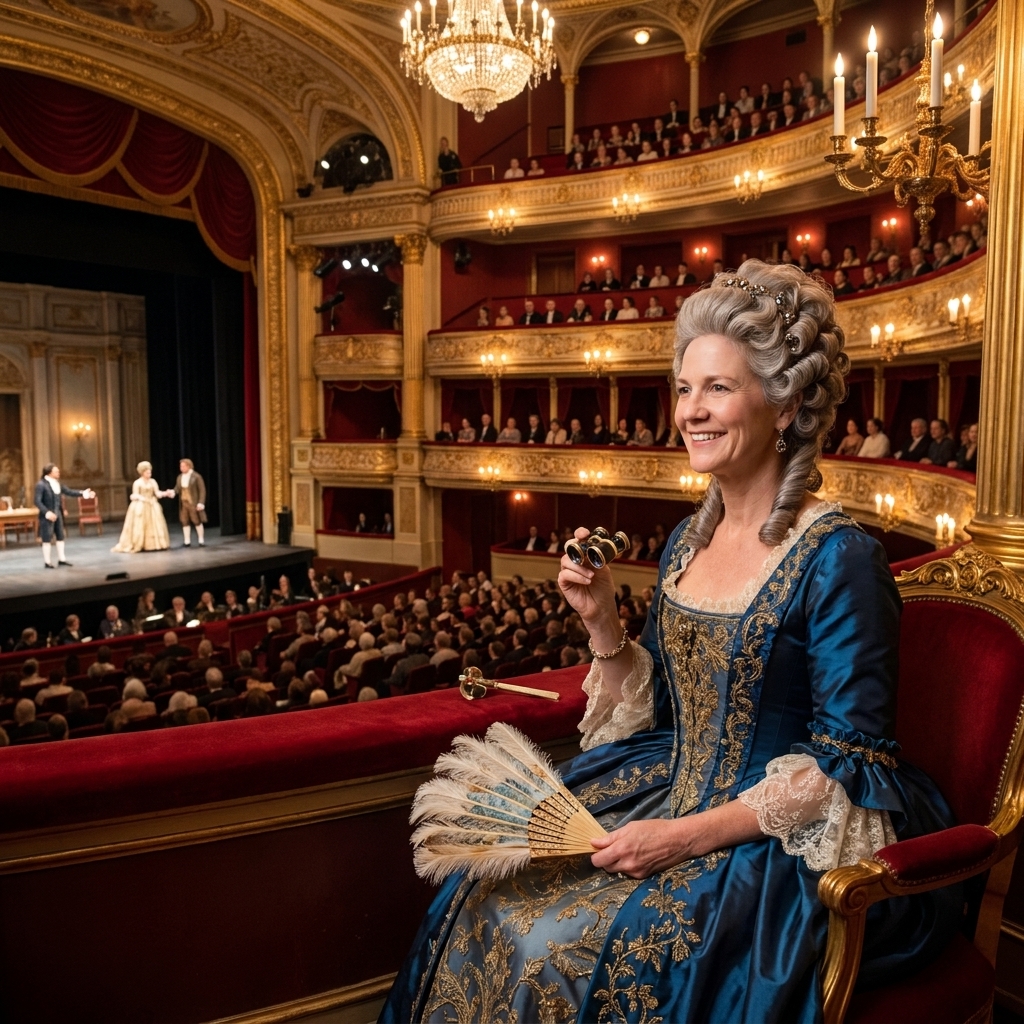
3) Richard Wagner’s Tristan und Isolde (1865)
There are operas you admire, and operas that feel like weather. Tristan und Isolde is weather. It rolls in slowly, thick with longing, and then you realize you have been breathing its air for hours.
Wagner was chasing what he called Gesamtkunstwerk, a “total artwork” where music, text, staging, and visual design fuse into one experience. Tristan is that ambition, distilled into desire so intense it becomes a philosophy.
What made it revolutionary
- Harmony that delays home. The famous “Tristan chord” is not just a musical moment. It is a new kind of tension that keeps reaching for resolution and refusing to settle, not only in a bar or two, but across the opera’s whole nervous system.
- The orchestra as subconscious. Wagner lets the pit carry what characters cannot say. The stage shows manners. The music shows obsession.
- Atmosphere as structure. Tristan begs for shadow and dusk. It helped push staging toward mood and psychological space, not just scenic description.
It is no accident that later directors and designers became obsessed with Wagner. His operas demand a world, not a backdrop. You cannot simply decorate Tristan. You have to build a climate.
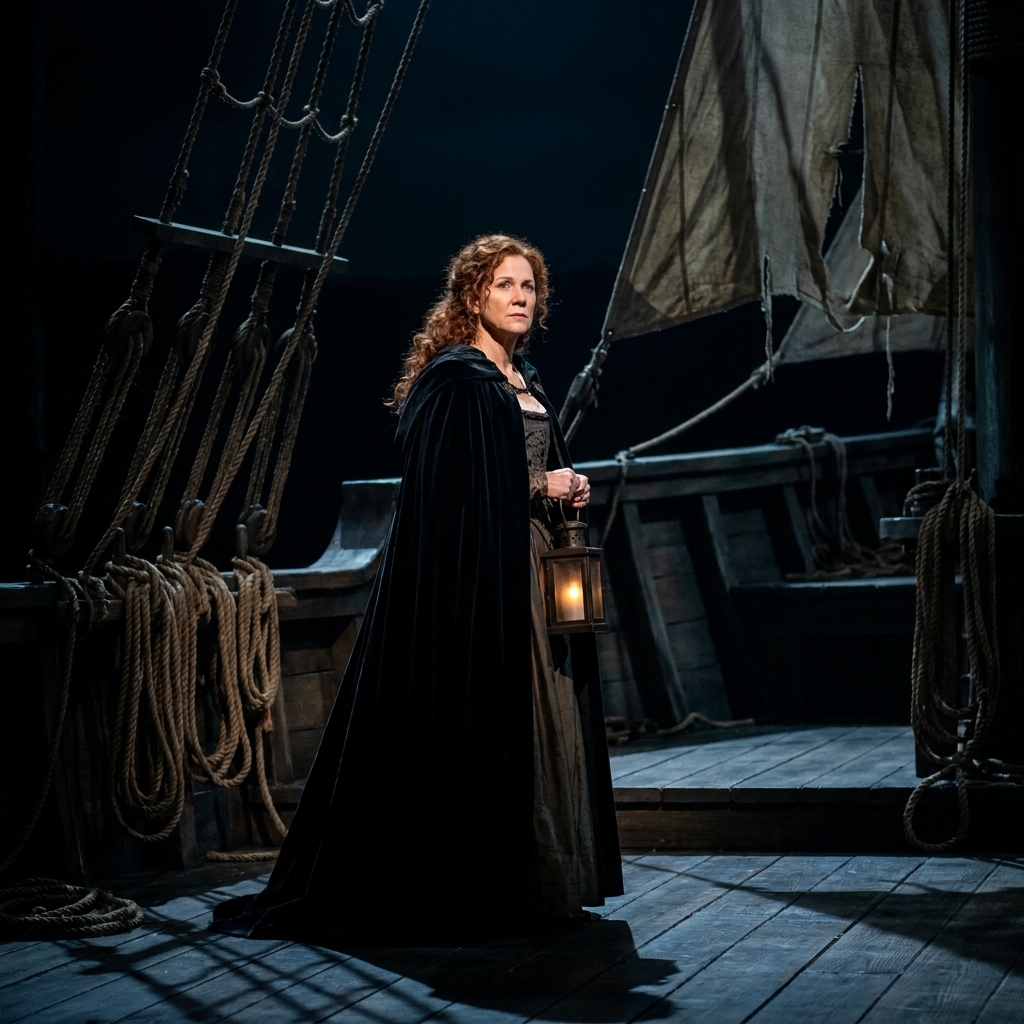
4) Georges Bizet’s Carmen (1875)
If Tristan is metaphysical yearning, Carmen is heat on skin. Bizet’s opera scandalized its first audiences not because it was “immoral” in any cheap way, but because it refused to tidy up life for the stage.
At the Opéra-Comique, many listeners arrived with expectations shaped by the genre: spoken dialogue, familiar morals, and endings that restore order. Bizet offered a heroine who will not be owned, a chorus that feels like a street crowd, and a final scene that lands with the blunt force of fate.
What made it revolutionary
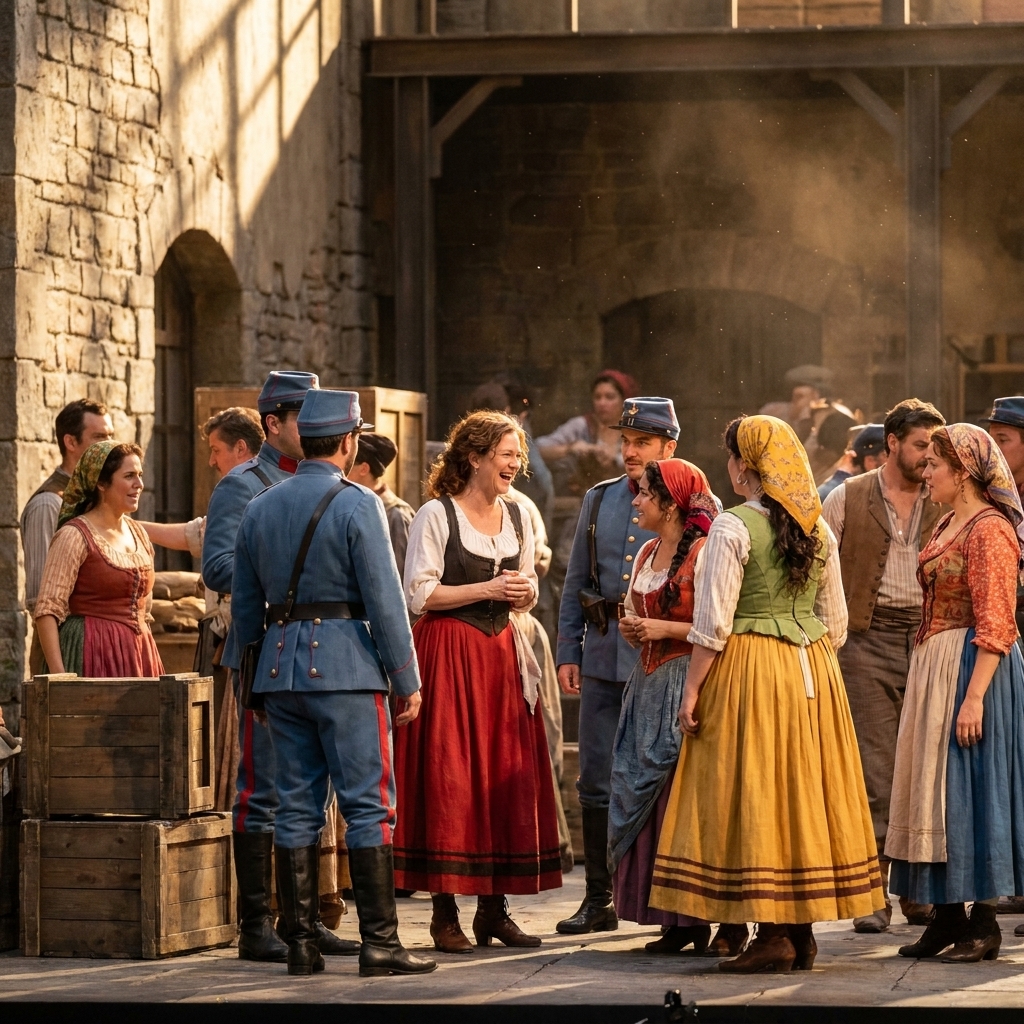
- Realism with bite. Workers, soldiers, smugglers. The opera’s social world is textured. You smell tobacco and dust.
- Character through rhythm and color. Bizet uses dance forms and Spanish-inflected musical gestures not as postcard “exoticism” alone, but as behavioral language. Carmen’s music moves like she does.
- A heroine who rewrites the power dynamic. Carmen is not punished because the plot needs a moral. She dies because other people cannot tolerate her freedom.
Visually, Carmen cracked open what opera could look like: public spaces, crowds, and the feeling of a living city. Many later directors treat it like cinema before cinema, cutting between intimacy and spectacle with unnerving ease.
5) Alban Berg’s Wozzeck (1925)
Wozzeck is the opera I return to when someone insists the art form is only for velvet and tiaras. Berg takes Georg Büchner’s fragmentary play and turns it into a fever dream of poverty, humiliation, and violence. It is not comfortable. That is the point.
And yet, it is crafted with astonishing care. For all its jagged edges, Wozzeck is built like architecture. Each scene has a musical form underneath it, the way a brutal apartment block still has a blueprint.
What made it revolutionary
- Modern psychology onstage. The music does not “accompany” Wozzeck’s breakdown. It is the breakdown, fractured and relentless.
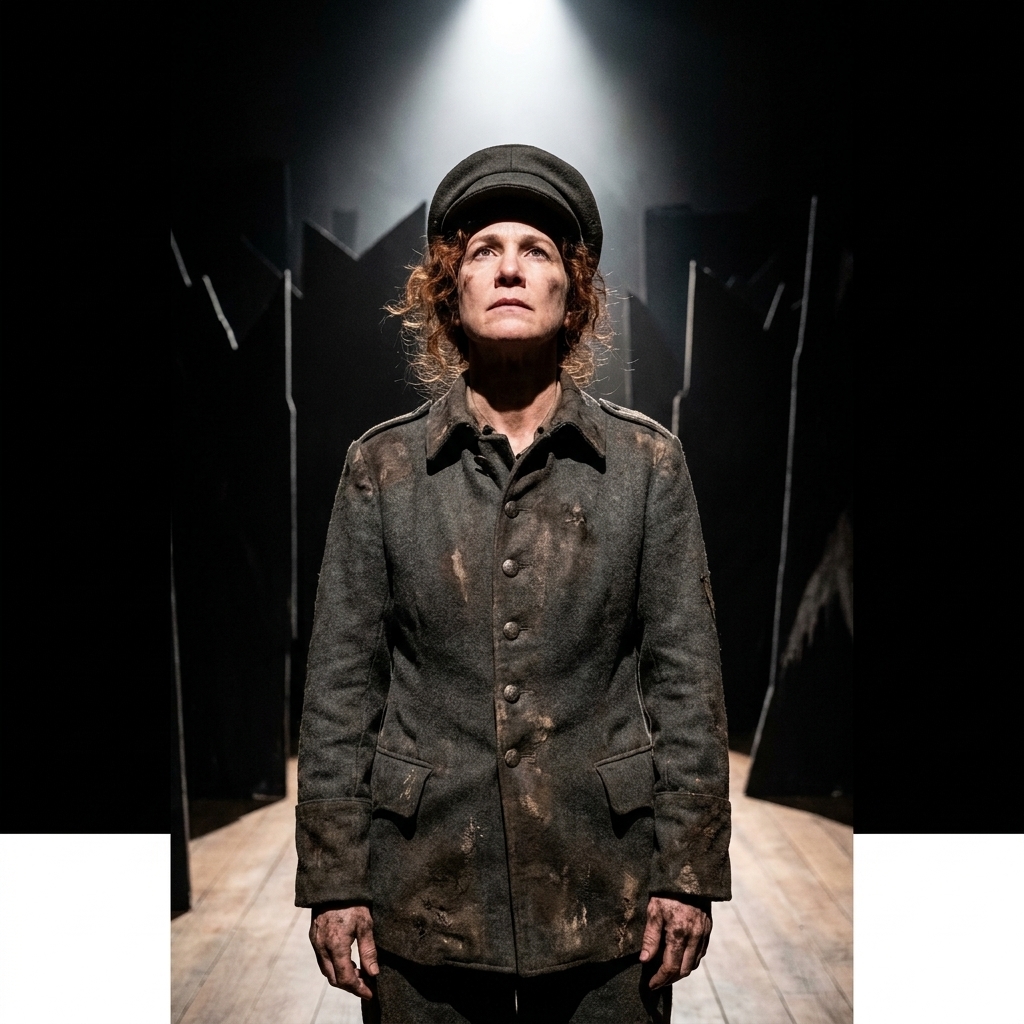
- Expressionist design possibilities. Directors found in Wozzeck a perfect partner for stark sets, distorted perspectives, and lighting that feels like a moral judgment.
- A new kind of tragedy. Not kings and gods, but an ordinary man crushed by systems that barely notice him.
The final moments, with children absorbing horror as if it were just another fact of life, still land with a chill. Berg made opera capable of staring directly at the 20th century.
Why these five
Opera has more rule-changers than any single list can hold. This selection tracks a particular thread: opera learning, again and again, how to make inner life legible, from speech-like singing to social ensembles, from harmonic obsession to street-level realism to modern psychological fracture. That means I am leaving out giants on purpose, including Gluck’s reforms, Verdi’s dramatic tightening, Puccini’s late-Romantic realism, and Debussy’s dream logic. Consider them the neighboring rooms.
What changed
Put together, these works sketch a timeline of opera learning how to be many things at once: intimate and monumental, beautiful and abrasive, psychological and political.
- Monteverdi proves music can behave like speech and grief can be staged without apology.
- Mozart builds an ensemble-driven theater where human relationships are the main special effect.
- Wagner turns opera into an immersive world, training audiences to listen for the subconscious.
- Bizet drags the genre into the street, where desire has consequences and crowds have weight.
- Berg opens the door to modernism, showing that formal rigor can hold raw terror.
If you are new to opera, you do not need to “get” everything on first listen. Pick one and start with a single scene. Let your ear adjust the way your eyes adjust in a dark gallery. The art will meet you halfway. It always has.
Quick listening picks
Because sometimes you just want a doorway, not a syllabus.
- L’Orfeo: “Tu se’ morta” (Orfeo’s lament), where song becomes a shaking hand reaching out.
- Le nozze di Figaro: “Dove sono” (the Countess’s aching self-possession) and the Act II finale for peak ensemble alchemy.
- Tristan und Isolde: The Prelude, then follow it into “Mild und leise” (the Liebestod) when you are ready for the release it has been postponing.
- Carmen: The Seguidilla (“Près des remparts de Séville”), a scene that flirts with the audience as much as with Don José.
- Wozzeck: Act III, especially the orchestral interludes, where the world tilts and does not right itself.