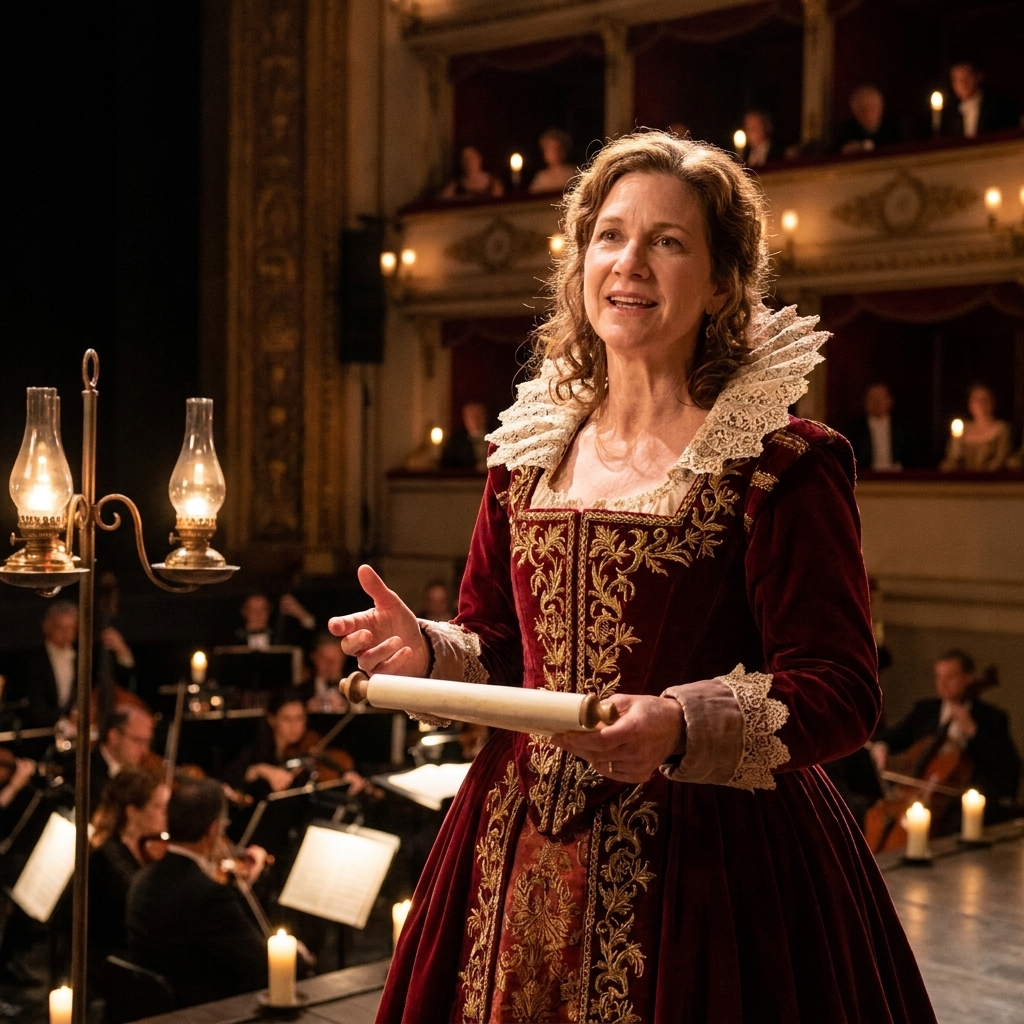
Opera has a reputation for velvet curtains and secret handshakes. It is not that. Opera is theater with the emotional volume turned all the way up, where a human voice becomes architecture and a single chord can feel like a door opening in your chest.
If you have ever thought, “I want to go, but I do not want to do it wrong,” this is for you. You will not do it wrong. You just need a few small, confidence-giving basics: what to wear, when to clap, how to follow the story, and how to keep your attention from wandering when the music is doing something unfamiliar.
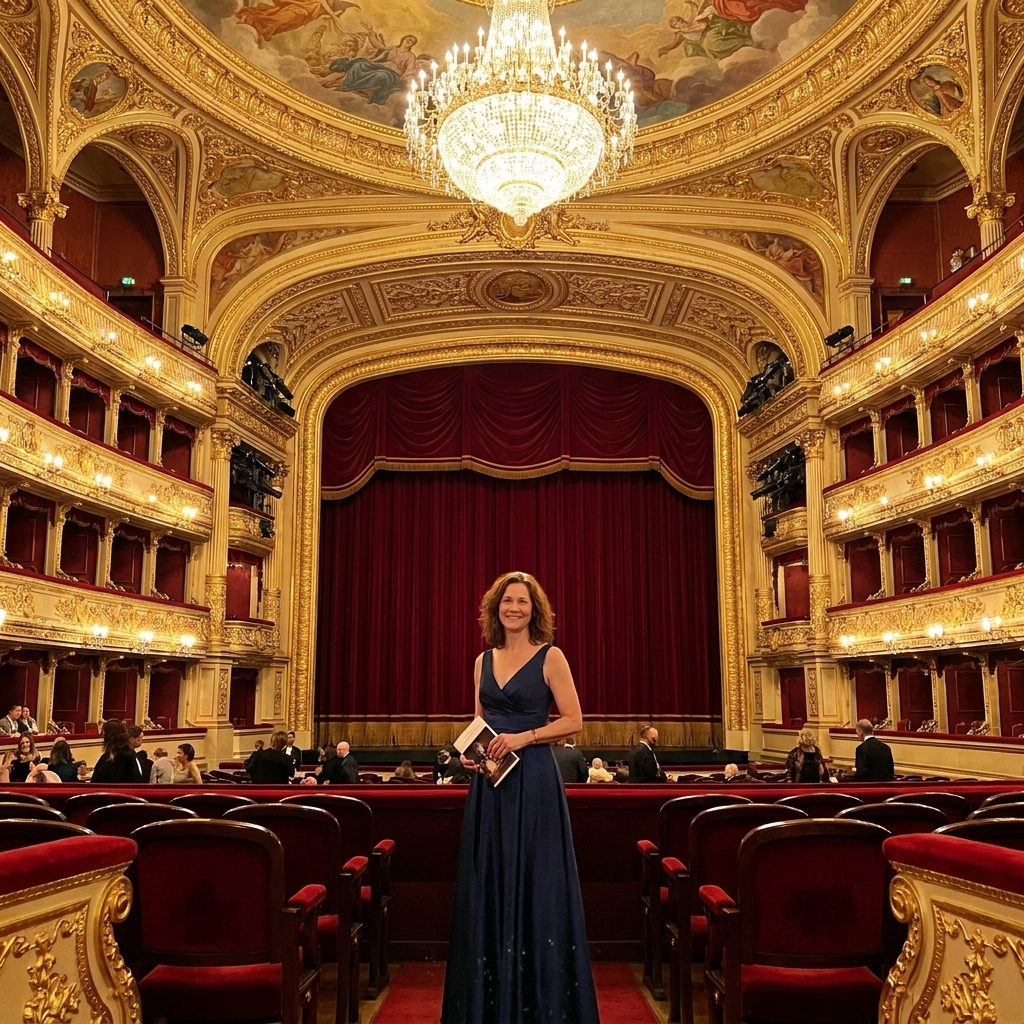
Before you buy a ticket
Pick your first opera
For a first visit, choose a piece that meets you halfway. You want gorgeous music, clear stakes, and a production style you can read at a glance.
- Go classic and story-forward: La Traviata, Carmen, The Barber of Seville, La bohème, or The Magic Flute are popular for a reason. Even when the staging is modern, the emotional map is easy to follow.
- Choose a manageable length: For many first-timers, around two and a half hours with one intermission feels friendly. Always check the posted running time, since editions and productions can vary.
- Consider language, but do not fear it: Many major houses use surtitles or projected translations. Your job is to feel the story, not translate it.
Choose seats with confidence
Opera is visual, but it is also acoustic. The best “value” seat is often the one where you can see faces and read physical acting without craning your neck.
- Front of the balcony or dress circle: Often ideal for sightlines and sound balance.
- Orchestra, mid-depth: Lush sound and strong detail, usually pricier.
- Extreme sides and very front rows: In some venues these can mean partial views or tricky angles, even if you are close. If the venue offers a seat-view tool, use it.
- Standing room: A fun, budget-friendly way in, if you are comfortable on your feet.
Check venue policies
Every venue is a tiny ecosystem. Before you go, skim policies on late seating, bag size, photography, and whether drinks are allowed in the auditorium. This is the boring part that makes the beautiful part feel effortless.
Look for accessibility options
If you want them, many venues offer practical supports: hearing assistance devices or hearing loops, captioning options, wheelchair seating, and large-print programs. A quick look at the venue’s accessibility page can remove a lot of friction.
What to wear
Dress codes vary by city, venue, and even by night. A gala premiere is one thing. A Sunday matinee is another. The good news: no one is grading you. The goal is to feel comfortable and a little elevated, like you are honoring the occasion without costumes or anxiety.
One rule: look polished
- Safe default: Smart casual to cocktail. A nice dress, a skirt or trousers with a great top, a blazer, a button-down, dark, clean, well-fitted jeans, clean shoes.
- If you want to go formal: Do it. Opera is one of the few places where dressing up can feel deliciously old-fashioned in the best way.
- Bring a light layer: Auditoriums can run cool, and you will be sitting still for long stretches.
Comfort counts
Choose shoes you can walk in. You may climb stairs, stand in intermission lines, and navigate narrow rows. Elegance and practicality can be friends.
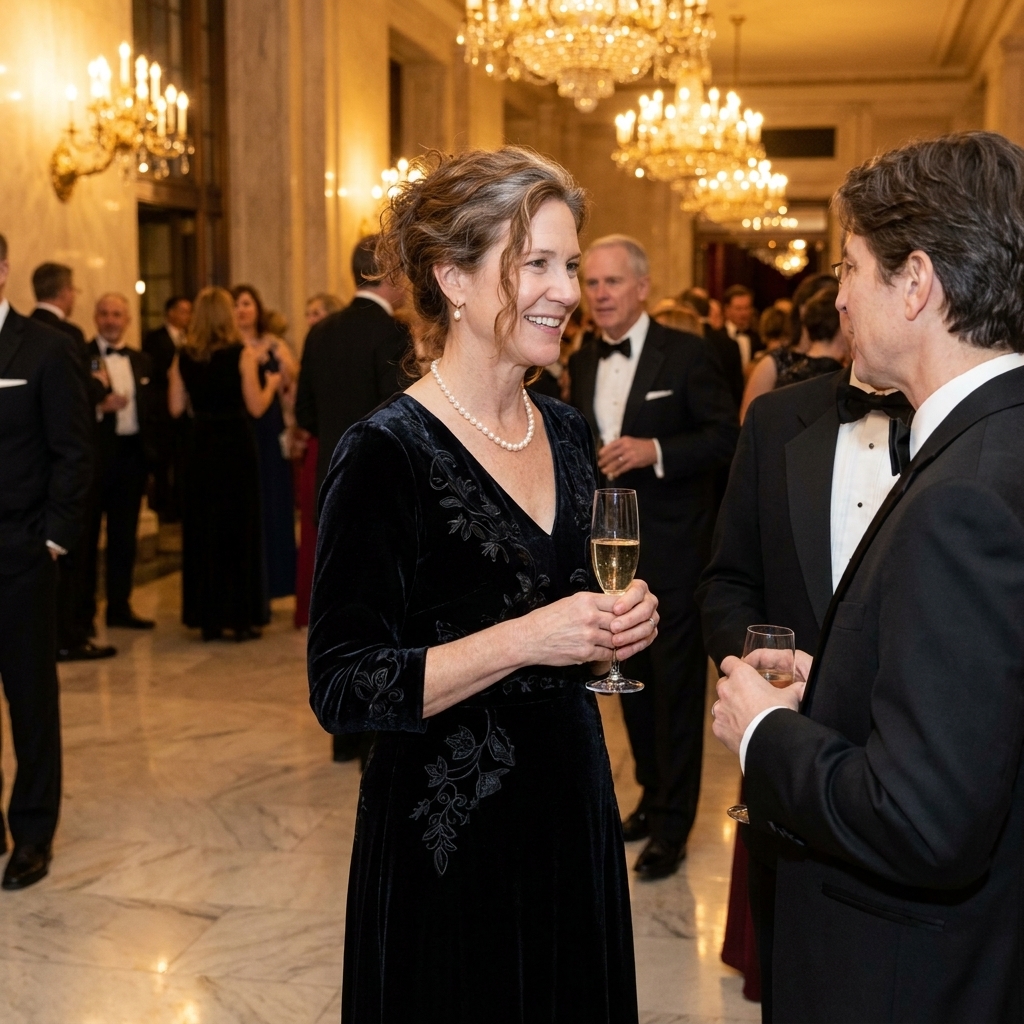
Arriving smoothly
Timing
- Arrive 30 to 45 minutes early if it is your first time at that venue. This gives you space for security, coat check, restrooms, and finding your seat without the adrenaline sprint.
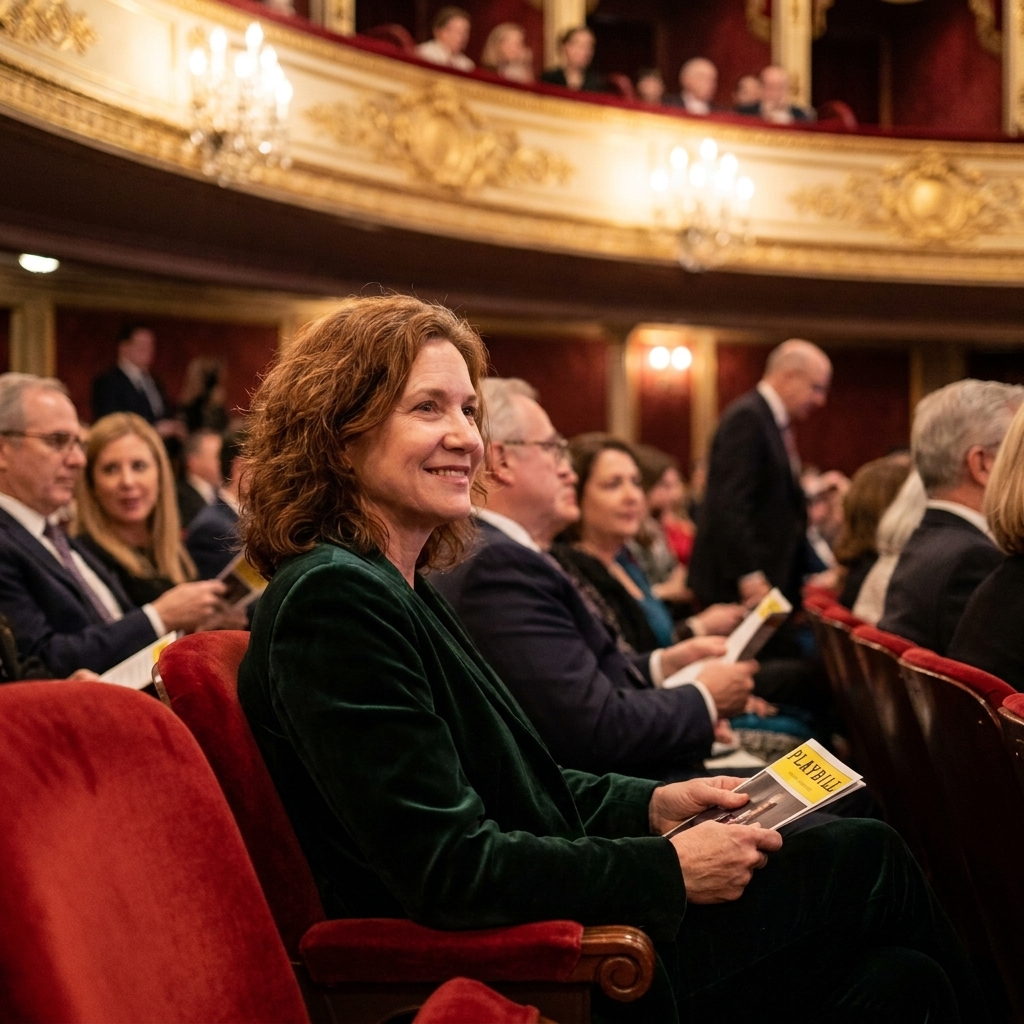
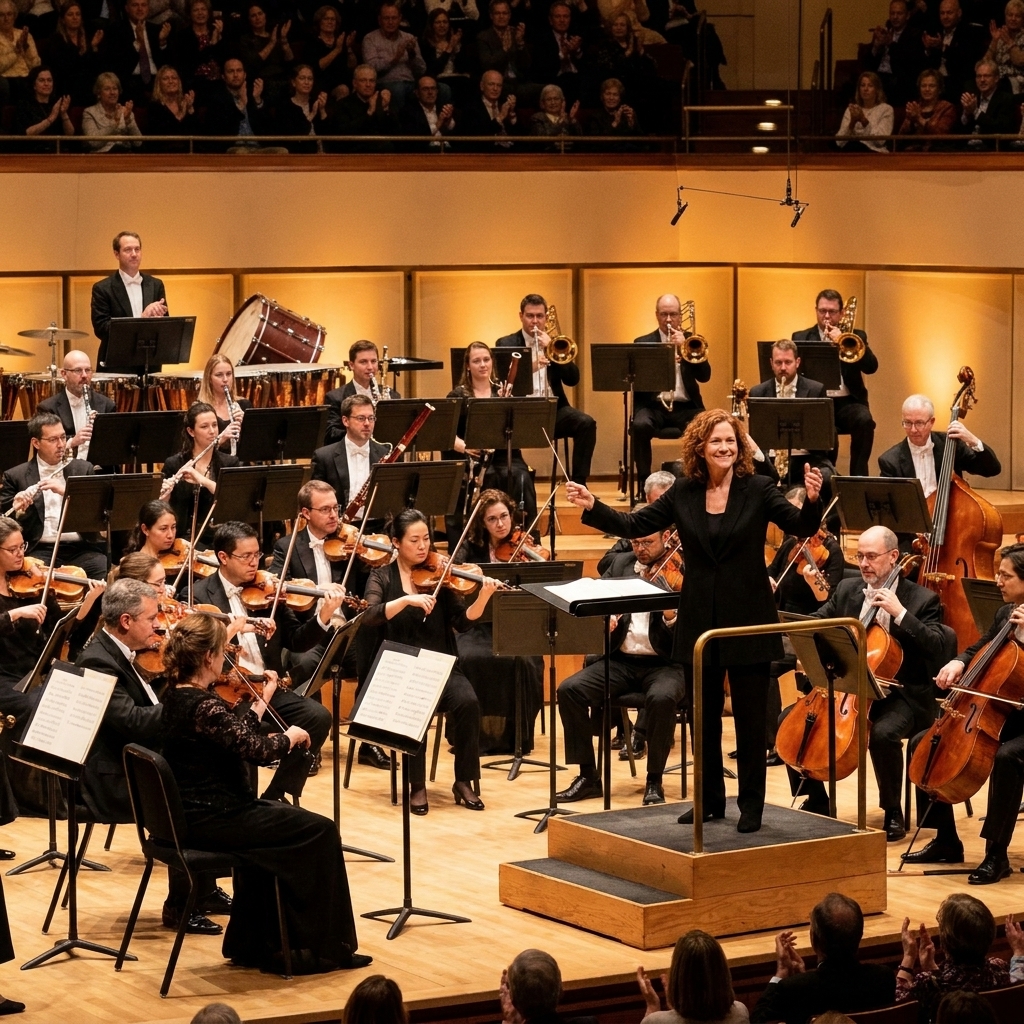
- Plan to be seated 10 to 15 minutes before the start. The last moments before the conductor enters are part of the atmosphere, like the hush before a play begins.
- Know how strict late seating can be. Some houses hold latecomers until a suitable pause, or seat them in a side area first. If you are cutting it close, that is why.
Coat, bag, phone
Use coat check if you have it. Silence your phone completely. Not vibrate. Opera houses are acoustic instruments, and a buzzing phone is like dropping a spoon in a cathedral.
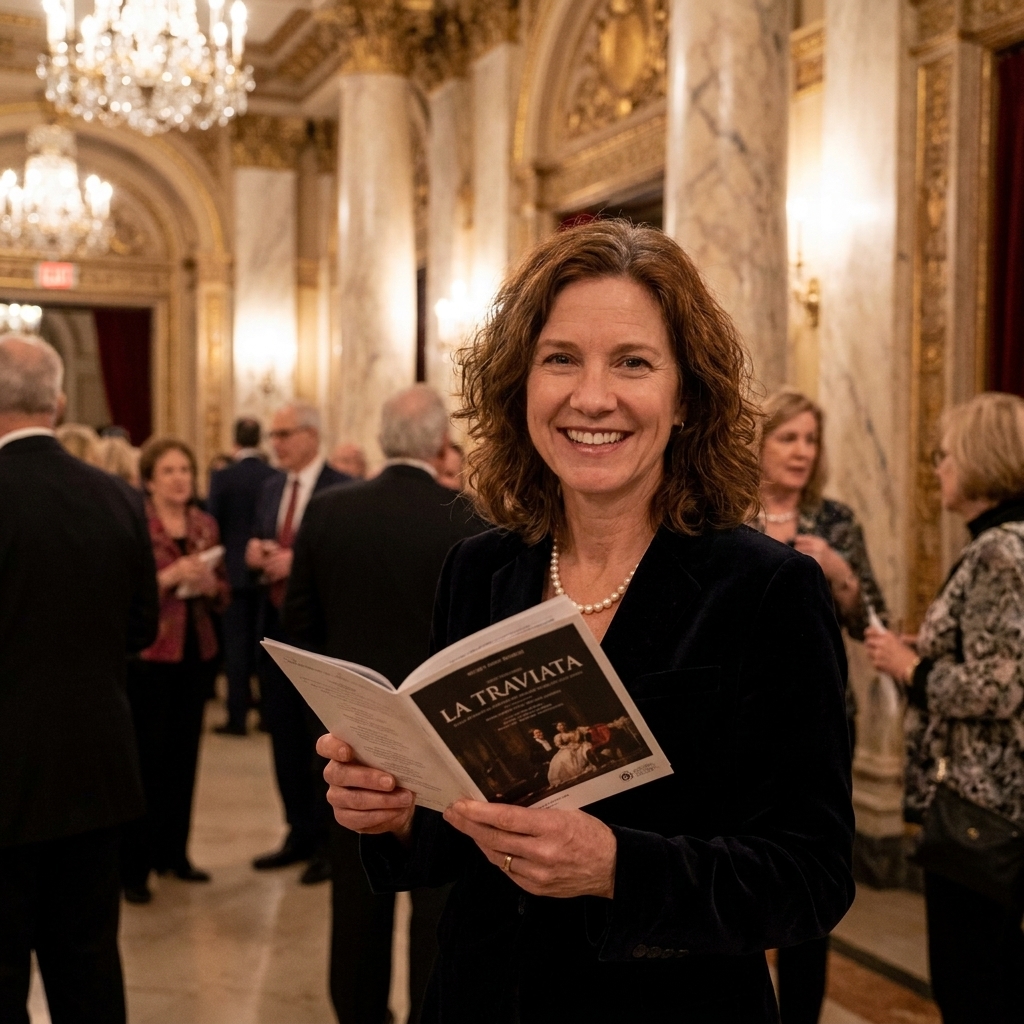
Programs
If you buy a program, it is your friendly map. Look for:
- Cast list: Who is singing which role.
- Synopsis: The storyline by act.
- Notes: Background that can enrich what you are about to hear.
Etiquette
Opera etiquette is not about being “proper.” It is about protecting everyone’s ability to listen. This is a room where quiet is generous.
When to clap
If you grew up in straight theater, this part can feel like learning a new rhythm. Here is the simplest approach.
- Clap at the end of an act and at the end of the whole opera. Always safe.
- Clap after a big solo if other people clap. This is often after an aria, a show-stopping high note, or a rapid-fire cabaletta where the singer has clearly landed something difficult.
- Do not clap during the music unless the applause has clearly started. Many operas flow between moments, and some endings are meant to hang in silence.
Can you cheer?
In many houses, yes. Bravos happen. If you loved a singer, “bravo” for a man and “brava” for a woman are traditional, but honestly, heartfelt applause is fluent enough.
Intermission
- Stay aware of time. There is usually a bell or announcement a few minutes before the next act.
- Talk about what you are hearing. You are allowed to have opinions, questions, and favorite moments. Opera is not a museum display case.
- Use the restroom early. Intermission lines are famously ambitious.
Small things that matter
- No talking during the performance. Even whispering carries.
- Avoid crinkly wrappers. If you must bring something, keep it quiet.
- Do not sing along. Save it for the shower. The people onstage trained for this and are doing it live without a net.
Food and drinks
Rules vary. Many venues allow drinks in the lobby and only sometimes in the auditorium. If you like a ritual, intermission is the classic moment for a quick drink or water, then back to your seat before the bell.
Following the plot
Here is the secret: opera is built to be understood even before you catch a single word. Music tells you who is powerful, who is lying, who is falling apart, and who is about to make a choice they cannot undo. Still, it helps to give yourself a few tools.
Use surtitles lightly
Many major opera houses provide translations during the performance, often above the stage, on side screens, or on seat-back displays where available. Let your eyes dip up for clarity, then return to the acting and the singing. If you read every line like subtitles at home, you may miss the physical storytelling.
Read a short synopsis
Do this the way you would glance at the back of a novel. You are not “spoiling” anything. Opera is not about surprise plot twists. It is about watching inevitability unfold in real time.
Learn the character web
Before the curtain, open your notes app and write:
- Protagonist
- Love interest
- Obstacle or antagonist
- Best friend or confidant
Most operas revolve around those axes. Once you have the social geometry, the rest is delicious detail.
Recitative, briefly
In many operas, especially older Italian works and a lot of Mozart, recitative is the talk-singing that moves plot and logistics forward. Arias and ensembles are where time slows down and emotion gets a close-up. Not every opera uses recitative in the same way, and some later works are more continuous, but the basic idea still helps: there are moments that move the story, and moments that let feeling expand.
Watch the breath
If you are ever lost, look at what the performers are doing with their bodies. Opera singers communicate with breath the way dancers communicate with feet. A long inhale can be a confession. A clipped phrase can be a slap.
Check content notes
Opera can be gorgeous and also intense. Many venues post content advisories for violence, sexual themes, or strobe effects. If you are sensitive to certain material, a quick check of the synopsis and advisories is an act of self-kindness, not prudishness.
How to listen
You do not need training to love this. You just need permission to listen the way you listen to people: for intention, for mood, for what is being asked of you emotionally.
Pick one anchor per act
Choose a focus, so you do not try to process everything at once.
- Act 1 anchor: Follow one character closely. What do they want?
- Act 2 anchor: Listen for repeated musical ideas. When a melody returns, it is usually meaningful.
- Final act anchor: Watch how the music handles time. Does it rush, spiral, go still?
Let the voice be physical
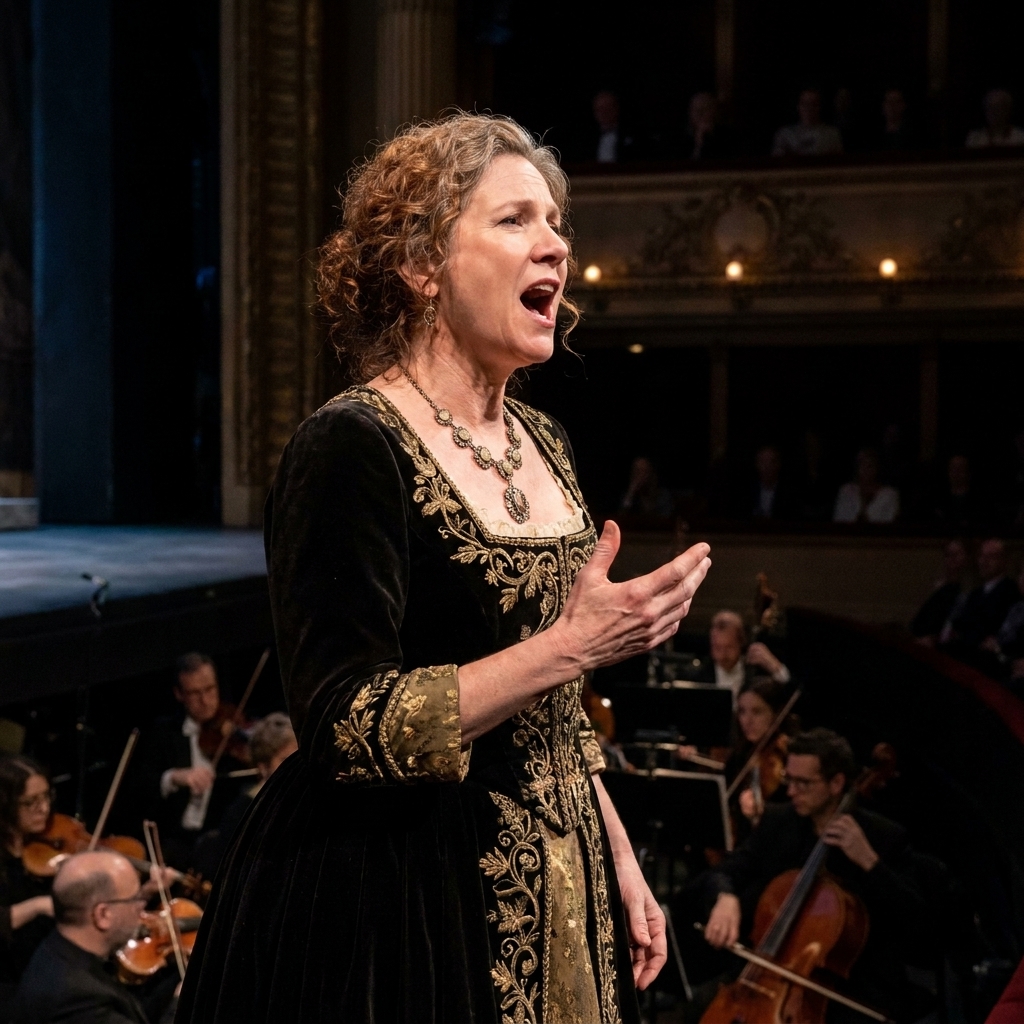
Opera is not “pretty singing” on top of a story. The singing is the story. When a soprano floats a note that seems to suspend gravity, that is a narrative decision. When a bass sounds like thunder in a hallway, that is characterization.
If you get sleepy
Dim lights, warm orchestration, a long day. It happens. A tiny reset helps: sit a little taller, place both feet on the ground, and re-engage with one simple question: “Who has power right now?”
First-timer checklist
- Choose seats with sightlines you trust, not just proximity
- Check the running time and intermissions
- Read a short synopsis and character list
- Arrive 30 to 45 minutes early
- Silence your phone fully
- Bring a light layer and comfortable shoes
- Use surtitles for clarity, then watch the stage
- Clap at act ends, and follow the room for mid-act applause
- Stay curious, not perfect
Quick FAQs
Is it rude to leave early?
If you truly must, slip out quietly at an intermission if possible. Leaving mid-act can be distracting. If you are feeling overwhelmed, intermission is your graceful exit point.
Can I bring binoculars?
Yes. Small opera glasses are a classic for a reason. They help you catch expressions and stage business, especially from higher levels.
What if I arrive late?
Many houses seat latecomers at a pause, sometimes in a side area until an appropriate moment. Plan for it anyway. Nothing feels worse than hearing the overture while searching for your row.
Do I need to understand the libretto?
No. A libretto is the text, but opera is a full-body language: music, gesture, design, and timing. If you know the basic situation and you are willing to feel along, you are already understanding.
What happens after the final curtain?
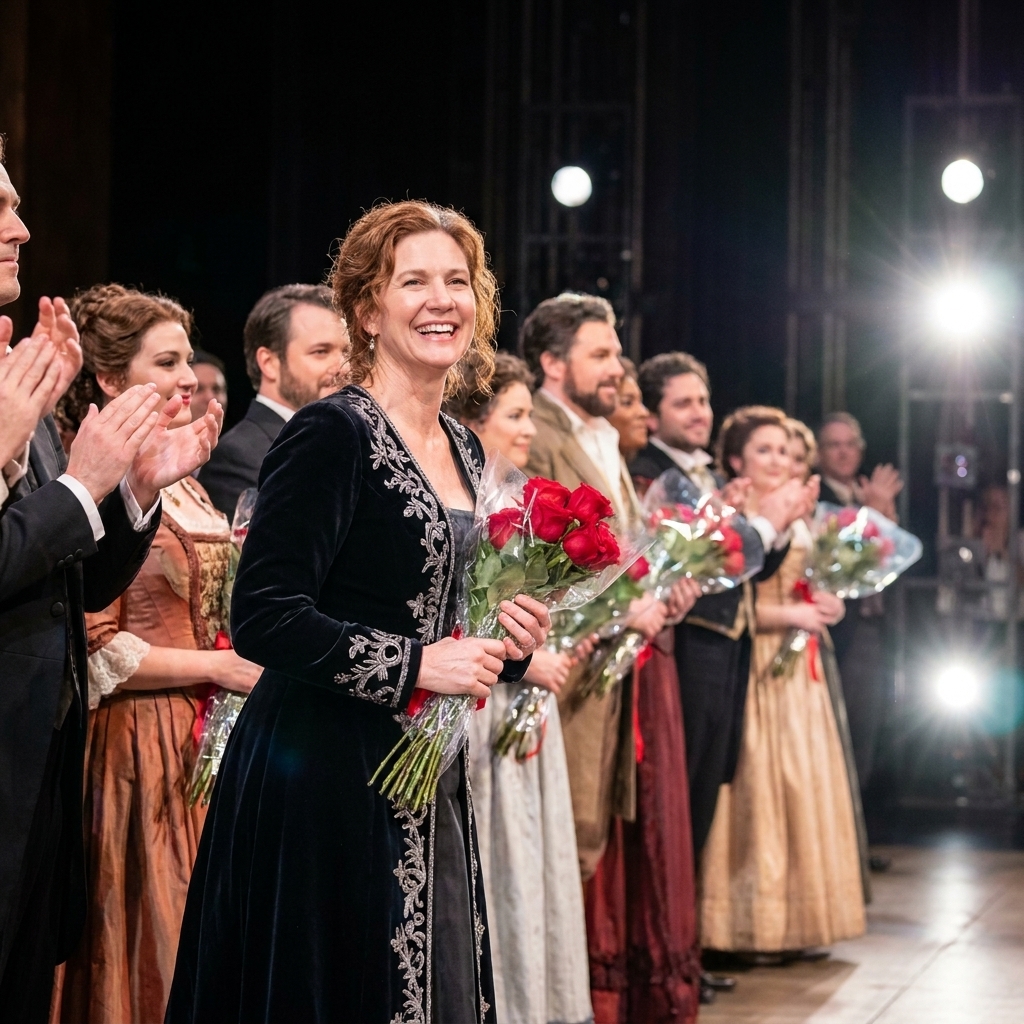
Stay for bows. Applaud generously. If you loved it, linger in the lobby for a minute instead of rushing out. Opera is one of the rare places where an ending can echo in the room like perfume, and it is worth letting it.