There is a particular kind of hush that falls over a theater when the curtain rises and a dancer is already there, standing still, lit like a candle. Before anyone moves, the costume does something quietly radical: it tells you what kind of world you just walked into. A whispery skirt can make air look touchable. A crisp bodice can turn the torso into architecture. And a plain leotard can feel, somehow, like the most honest thing you have ever seen onstage.
Ballet costumes have never been just decoration. They are engineering, storytelling, and a kind of cultural mood ring all at once. And while ballet’s wardrobe story stretches back to Renaissance courts and the spectacles of Louis XIV, the silhouette most of us recognize today was shaped decisively from the late 18th century onward, as technique sharpened and the body became the center of the sentence. Let’s take a walk through the wardrobe.
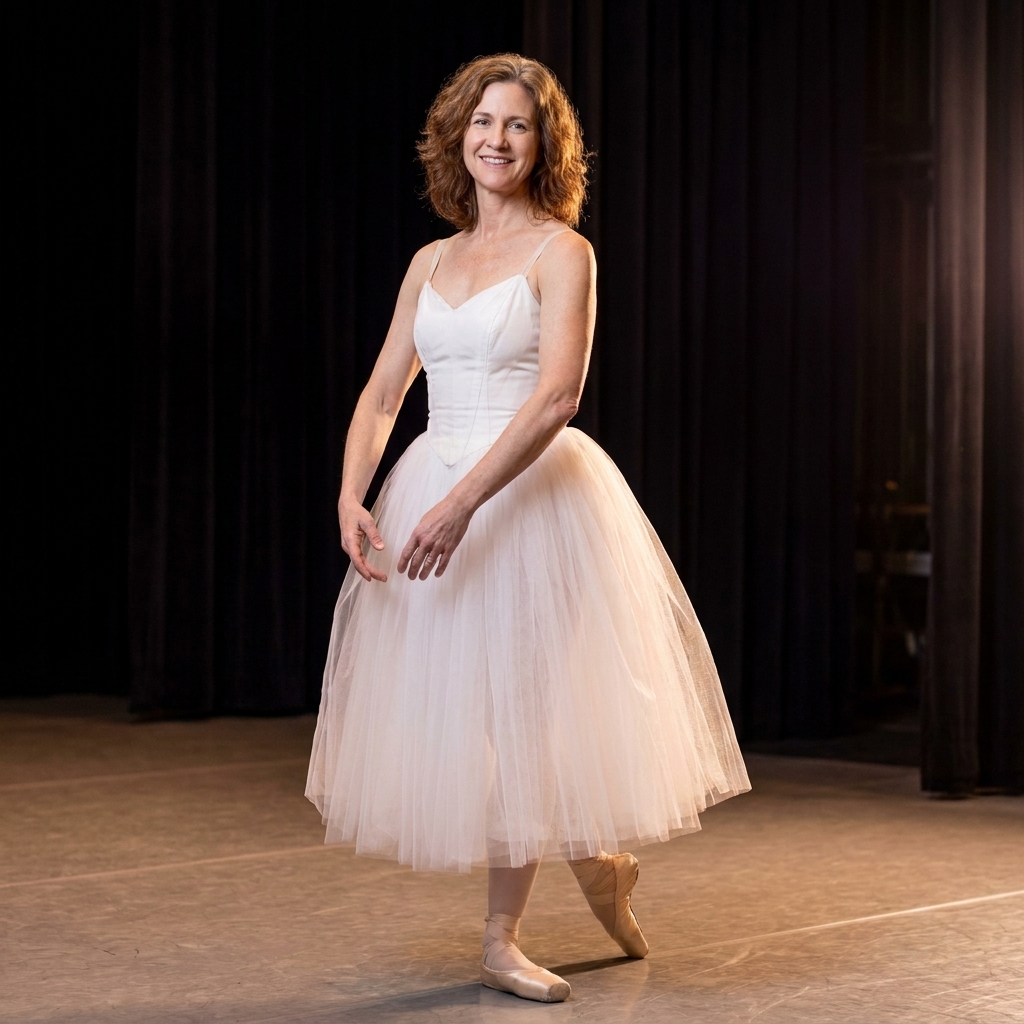
When ballet wore the court
Early ballet, especially in the 18th century, dressed like the court and the opera house it lived in. Dancers performed in heeled shoes, structured bodices, and skirts that were beautiful but stubborn. The silhouette borrowed from fashionable dress, meaning fabric did not just move with the dancer, it sometimes moved against them. Details varied by region, theater, and decade, but the overall logic held: clothing came first, movement negotiated after.
These costumes were rich in surface and weight: brocades, satins, ribbons, and ornaments designed to read from a distance in candlelit theaters. The audience came for pageantry, and the dancer’s body was often secondary to the tableau. But technique was changing. Jumps got higher, footwork got faster, and the idea of the dancer as an expressive artist, not simply a decorative presence, began to press against all that fabric.
The first costume problem: legs
Ballet is a leg-forward art. If you cannot see the line, you miss half the sentence. As choreography demanded more clarity, costume designers began negotiating with tradition: raising hemlines, simplifying skirts, and experimenting with lighter materials. The stage wanted to see the dancer, not just the dress.
The Romantic tutu
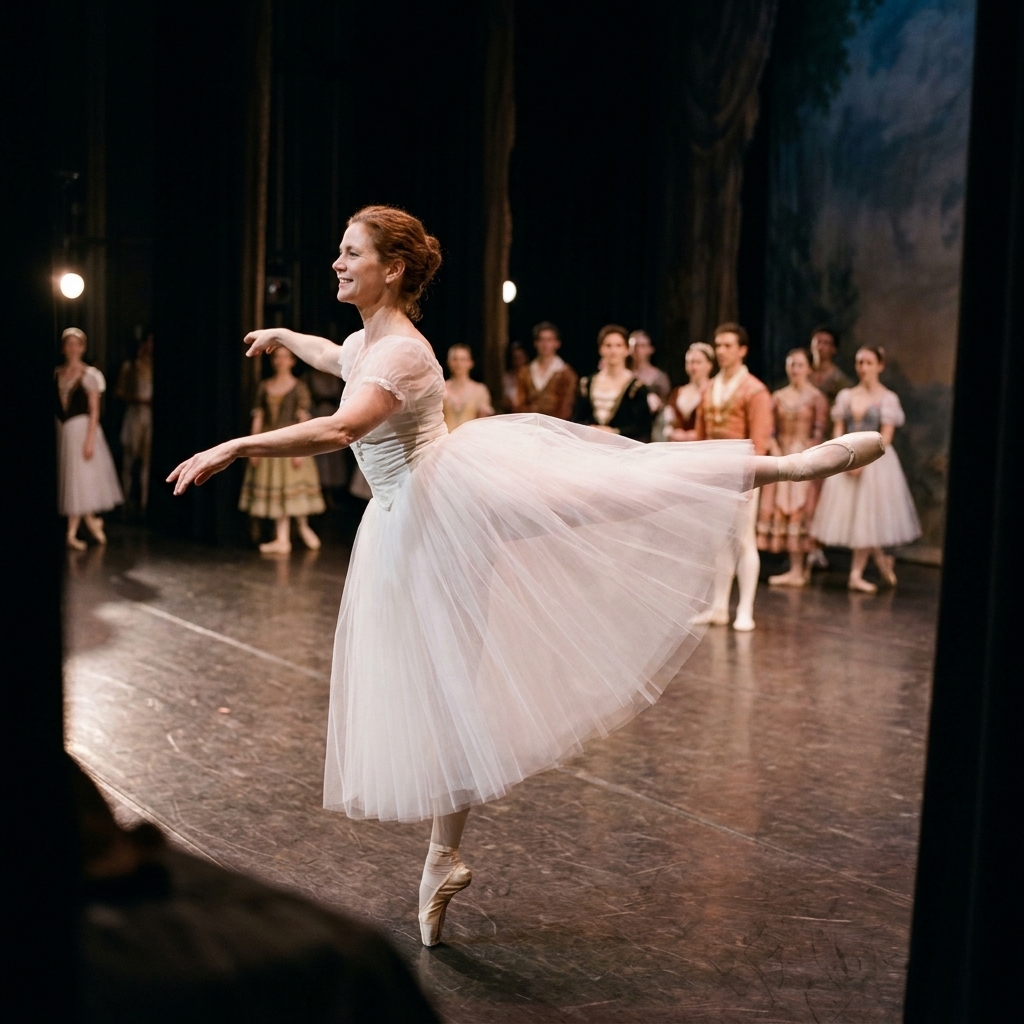
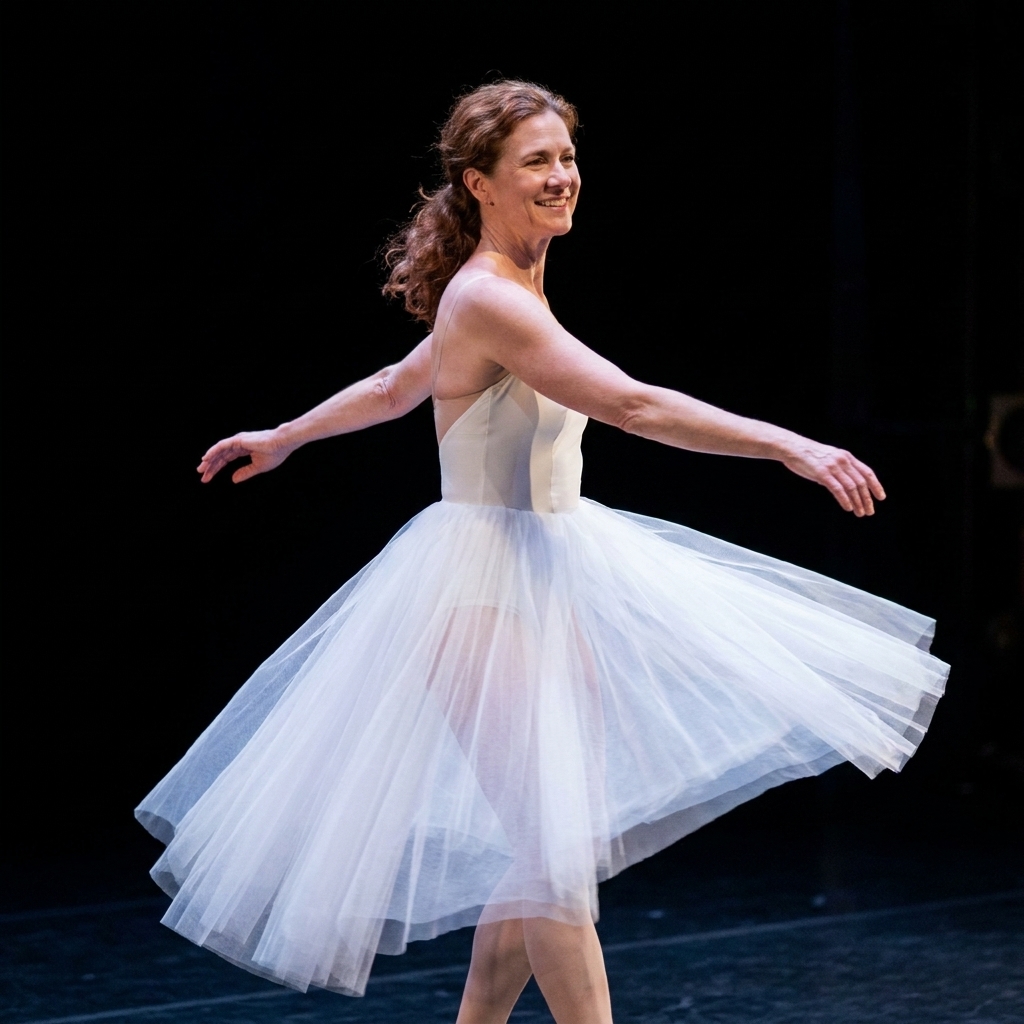
If you have ever seen La Sylphide or Giselle and felt your chest tighten a little at the sight of white tulle floating in the dark, you have met the Romantic tutu. Popularized in the early 19th century, with Marie Taglioni’s 1832 La Sylphide often cited as a defining moment, it is the calf-length, bell-shaped skirt that turns the dancer into something not quite human, as if she might dissolve into the wings.
This was not an accident of taste. Romantic ballet loved the supernatural: sylphs, wilis, spirits, women who are more idea than person. The costume helped make that illusion credible. Tulle and gauze catch light in a way that feels like breath. When the dancer bourrées across the stage, the skirt creates a soft blur, a visual echo that makes motion look continuous.
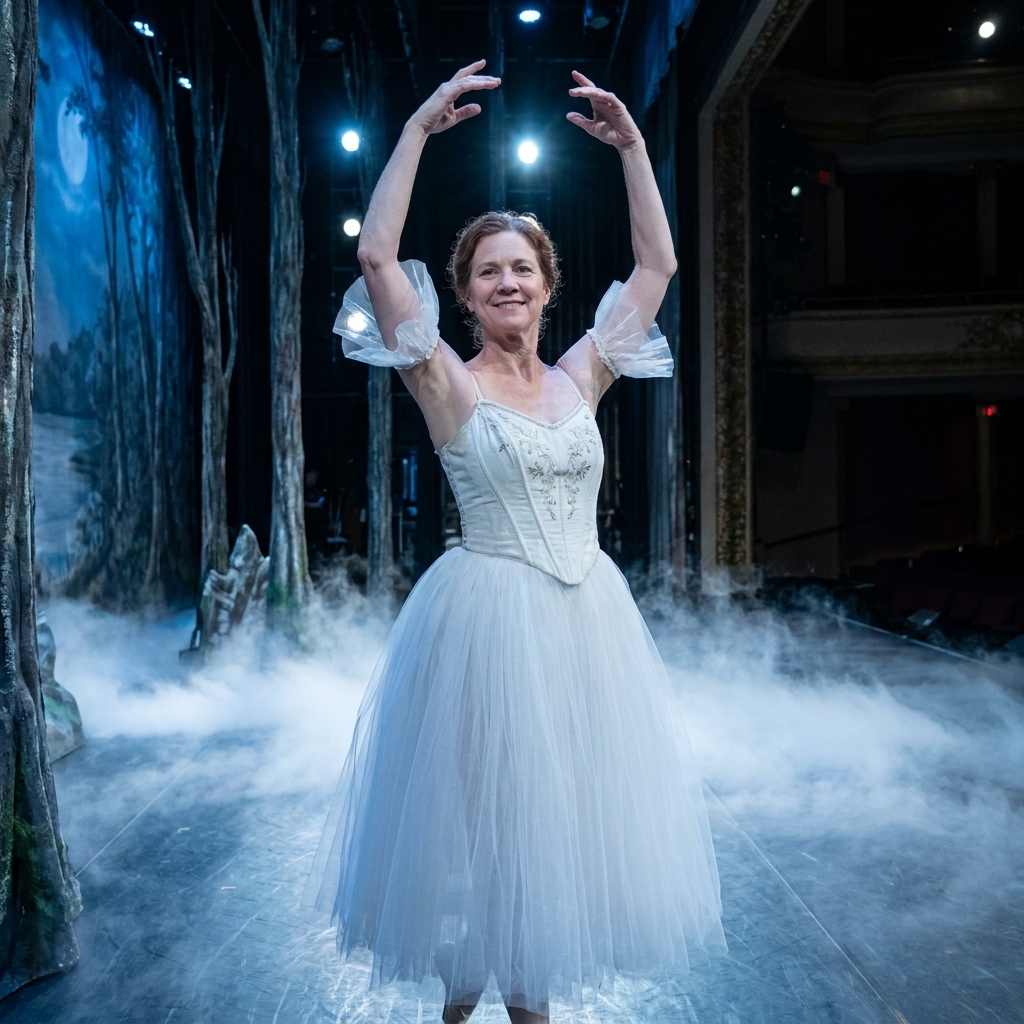
The Classical tutu
By the late 19th century, ballet’s center of gravity shifted toward virtuosity. The Imperial Russian stage wanted brilliance: turns that snap into place, balances held like miracles, legs extended into clean, emphatic shapes. The costume followed suit.
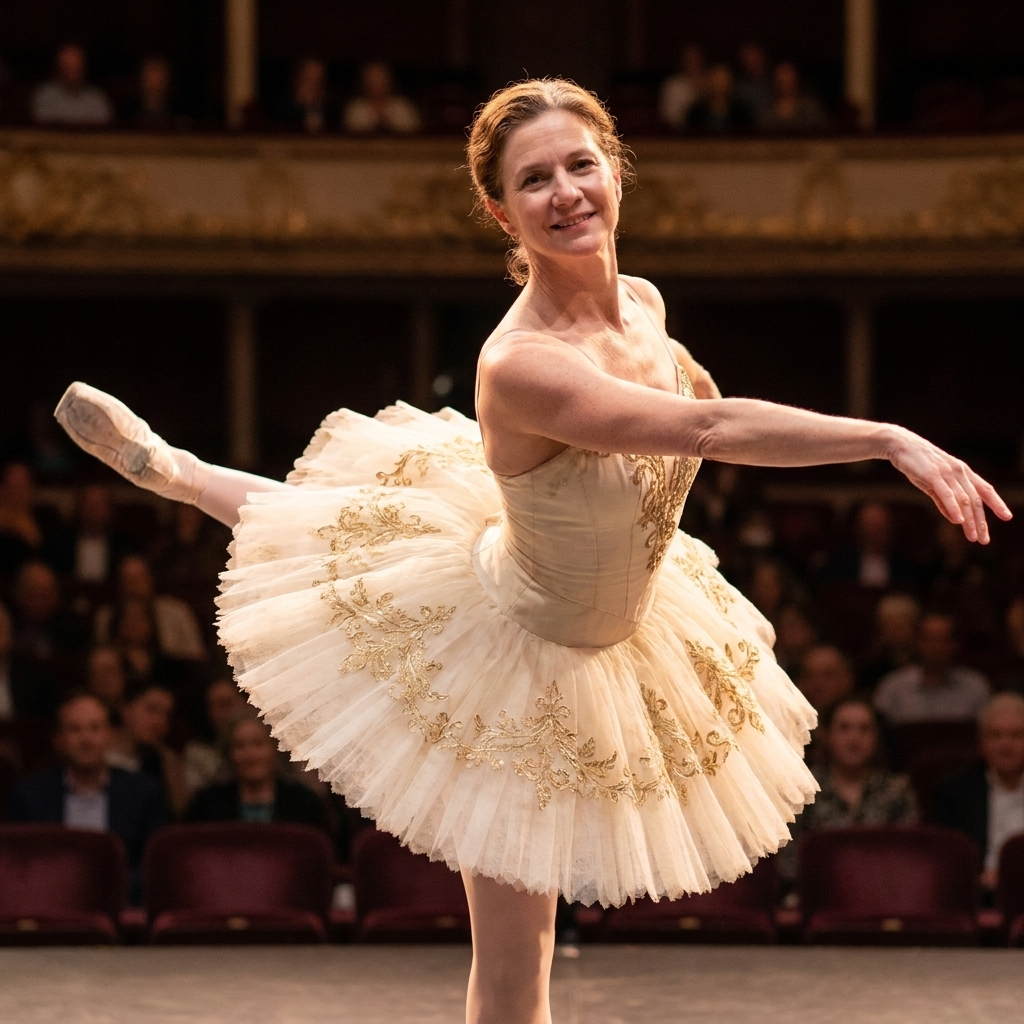
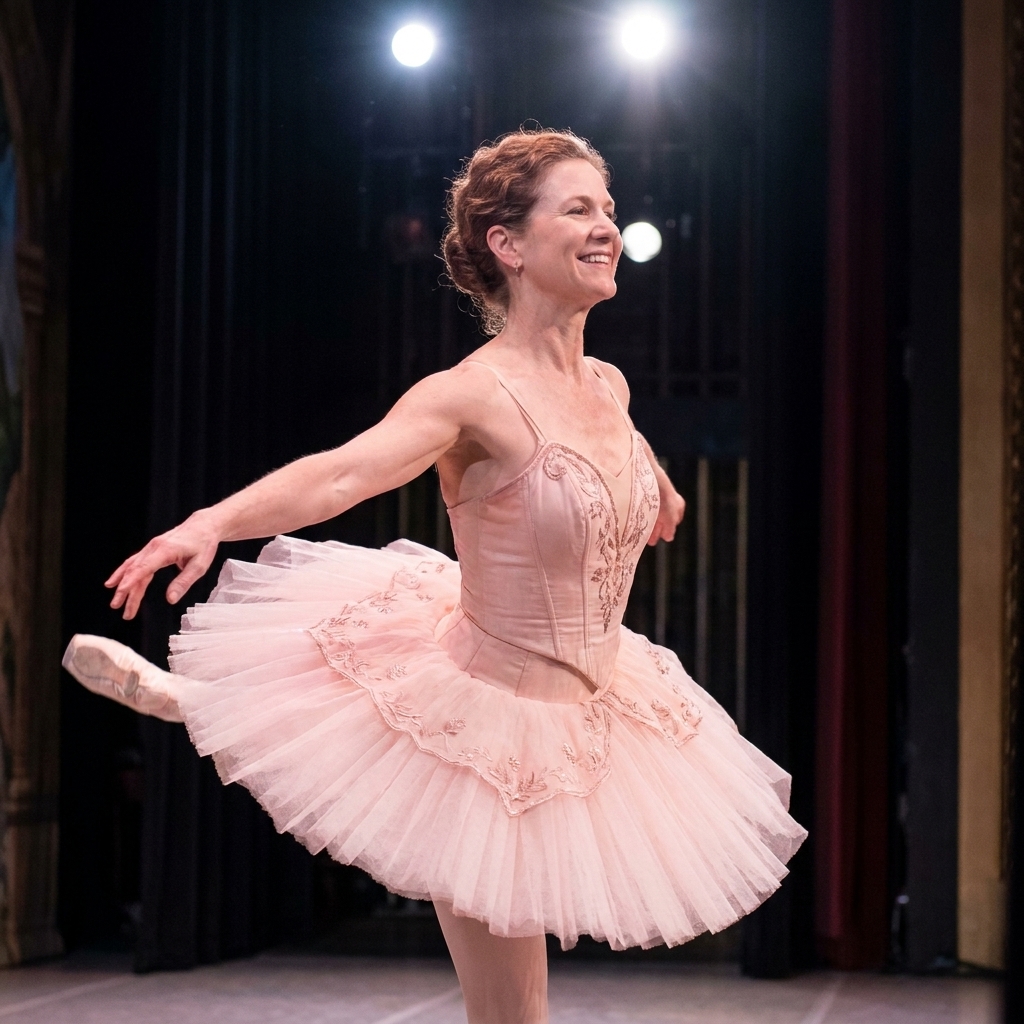
Enter the Classical tutu, the one many people picture when they hear the word “tutu.” It is shorter, more structured, and designed to show the legs fully. Its flat “plate” or gently angled bell shape is not only pretty. It is practical. It frames the hips like a spotlight so the audience can read turnout, extensions, and intricate footwork without distraction.
How does it stand like that?
A Classical tutu is a feat of construction. It is built from layers of stiff net and tulle, shaped and stacked to hold a specific line. Depending on the style, the support may come from a hip yoke, a firm waistband, and careful layering rather than a single universal inner scaffold. The bodice is often boned or otherwise stabilized to keep the torso visually calm, which helps balances look quieter and lines look longer. This is one of ballet’s ongoing wardrobe truths: stillness is often built, not simply performed.
Men’s costumes
Men’s ballet costuming has its own transformation story, and it is as tied to technique as the tutu. Early male dancers also wore court clothing: coats, decorative vests, and bulky garments that looked magnificent and moved like furniture. As virtuosity, and especially grand allegro, demanded speed and clarity, those layers began to disappear.
A key shift came with the adoption of close-fitting legwear. The move toward tights and knitted garments made the line of the leg readable and allowed jumps to look bigger because the body was no longer visually interrupted by flapping fabric. Tradition often credits the French costumier Monsieur Maillot with popularizing the modern tight for male dancers, and whether you attach that innovation to one name or a broader workshop evolution, the effect on ballet’s look was unmistakable: suddenly the male body became legible as technique.
From there, men’s stagewear developed into the “prince” silhouette many narrative ballets still use today: fitted jackets or tunics, decorative but streamlined, designed for partnering and buoyant travel. Contemporary choreography often pares this back even further into clean shirts, unitards, or athletically cut basics that treat the male dancer as pure motion, with character suggested by color and line rather than heavy costume.
Pointe shoes
You can talk about ballet costumes for hours without mentioning pointe shoes, and yet pointe is the most intimate costume piece of all because it is both tool and illusion. The satin is what the audience sees, but underneath is architecture: a hardened toe box, a supportive shank, and careful paste-and-fabric construction that turns the foot into a platform.
Over time, pointe shoes have become more standardized, but also more customized. Dancers modify them with ribbons, elastics, darning, toe padding, and personal rituals that would look like witchcraft if it did not work so well. Modern manufacturers experiment with different shank strengths and box shapes, and some companies now offer longer-lasting synthetic components, such as polymer shanks found in models like Gaynor Minden. The goal is consistent: protect the dancer while maintaining that impossible image of effortlessness.
The leotard arrives
The 20th century did something deliciously disruptive to ballet: it asked why the costume had to pretend. Modernism in the arts favored clarity, and choreographers increasingly wanted the audience to see the body as it is, moving through space with intention.
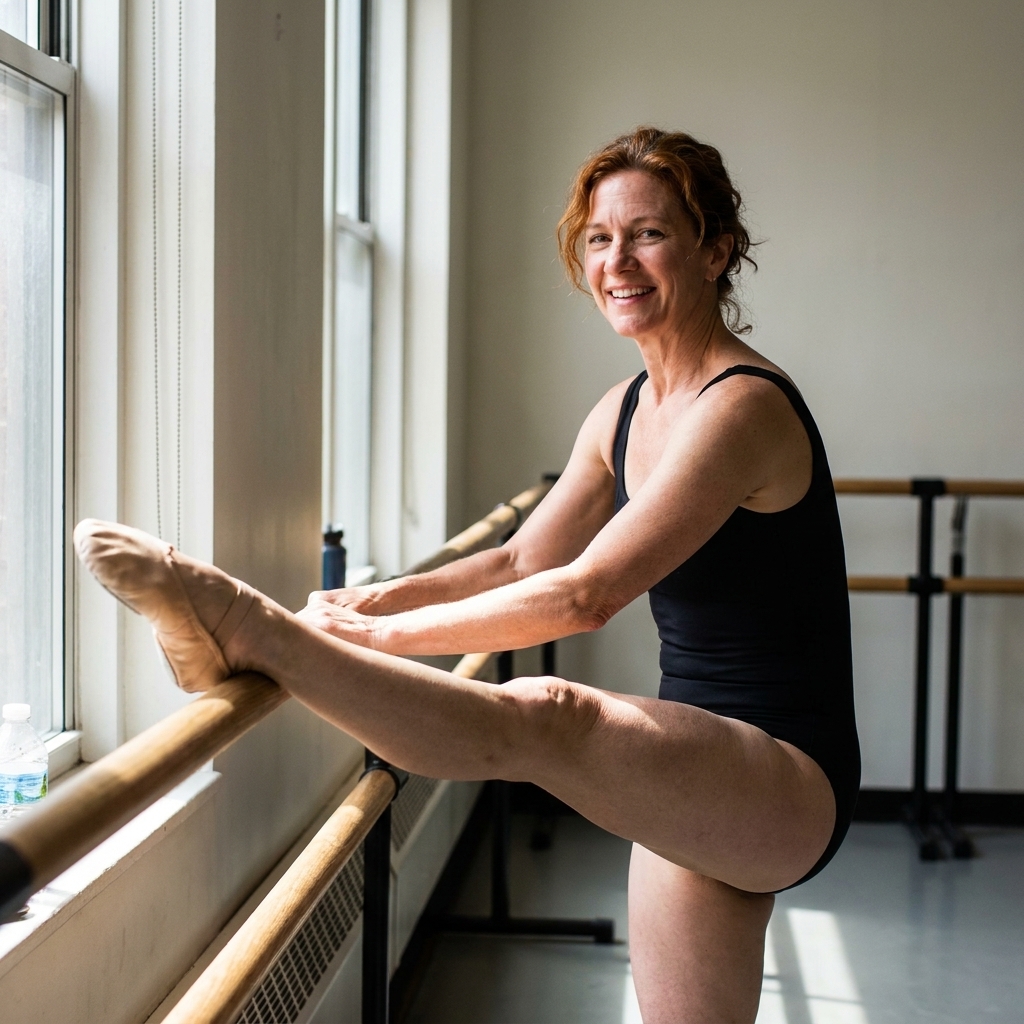
The leotard, named for Jules Léotard, a 19th-century trapeze artist, moved from circus and athletic performance into dance training and then onto major stages as ballet and modern dance began influencing each other. Suddenly the costume could be minimal without being unfinished. In fact, minimalism became a statement. A leotard reveals alignment, breath, tension, and release. It tells the truth about the work, even when that truth is messy and magnificent.
Fabrics that changed everything
If Romantic ballet is tulle and moonlight, modern dancewear is stretch. The development and widespread use of elastic fibers like spandex and improved knit constructions transformed what dancers could wear safely. Costumes could cling without constricting, recover shape after explosive movement, and survive sweat, stage lights, and repeated laundering.
That last bit sounds unglamorous, but it matters. The modern repertory system means the same costume may be worn night after night, sometimes by multiple dancers, sometimes across seasons. Durability became part of the design brief.
Balanchine simplicity
George Balanchine is impossible to ignore in this story because he helped normalize a look that many audiences now read as quintessentially “ballet”: women in practice-style leotards and skirts, men in fitted tights and simple tops that do not hide the line. The New York City Ballet aesthetic made the body the main event. Costume, rather than building a character from the outside, became a frame for movement.
This was not laziness or lack of imagination. It was a choice about what ballet could be: music made visible. It also matched a broader modernist stage approach, with cleaner scenic worlds and lighting that could sculpt the body precisely. When costumes are pared down, you notice timing, speed, and the geometry of partnering. It is like cleaning a painting so the color finally sings.
Character and folk dress
Not every ballet lives in white tulle or crystal-clean minimalism. Narrative ballets, especially those with divertissements and “national dances,” have long relied on character costumes: long skirts that swing low to the ground, aprons, boots, hats, embroidered vests, and stylized folk references that signal place and tradition at a glance.
These costumes solve a different problem than tutus do. They are less about anatomical clarity and more about storytelling and texture. Designers still build them for performance, with hidden stretch, lighter trims, and reinforced seams, but they keep enough weight and swing to make a mazurka feel like a mazurka and a tavern scene feel like a crowd.
Costume as technology
Today’s ballet costumes are often a marriage of romance and performance science. Designers are thinking like athletes and storytellers at the same time. They ask questions that sound simple and are anything but:
- Can the dancer breathe? Bodices may include stretch panels, strategic boning, or softer inner layers that stabilize without squeezing.
- Will it stay put? Silicone grips, elasticized edges, hidden snaps, and skin-tone straps help costumes survive lifts and turns.
- How does it look under LEDs? Modern stage lighting can be brutally revealing. Fabrics are chosen for how they absorb or reflect light and whether they go sheer when stretched.
- Can it move quietly? Some materials rustle or catch. Designers test for sound, snagging, and friction in partnering.
- Can wardrobe maintain it? Quick changes, reinforced seams, and modular pieces matter when a dancer has 90 seconds to become someone else.
Many contemporary productions also use unitards, mesh overlays, and sculptural garments that reference streetwear or couture. The silhouette might be sleek, but the construction is sophisticated. Think gussets for range of motion, stretch linings for comfort, and carefully placed seams that flatter the line rather than interrupt it.
The tutu remixed
For all the love modernism has earned, ballet never truly abandoned its most iconic shapes. Instead, the tutu evolved. Contemporary designers play with length, transparency, asymmetry, and materials that earlier ateliers could only dream of. You might see a Classical plate skirt made with lighter net that floats rather than juts, or a Romantic silhouette cut a little shorter to reveal sharper footwork.
And sometimes a choreographer will use a tutu almost like a quotation mark. Put a dancer in a traditional silhouette and you invoke an entire history at once. Then you can subvert it, complicate it, or let it glow with fresh sincerity. Costume becomes an argument with the past, conducted in fabric.
What costumes reveal
Watching ballet costume history is a little like watching the art form learn to speak more clearly. When ballet wanted to conjure spirits, it dressed dancers in mist. When it wanted precision, it shortened the skirt and strengthened the silhouette. When it wanted truth, it stripped away decoration and trusted the body.
But the throughline is always the same: the costume is there to help movement communicate. It is not simply pretty. It is a partner in the choreography, shaping what we can see, what we believe, and what we feel.
In ballet, what looks delicate is often the result of the strongest possible construction. The costume is part of that beautiful, stubborn paradox.
Quick questions
Why did tutus get shorter over time?
Because ballet technique got more leg- and footwork-focused, and audiences needed to see it. The Classical tutu exposes the full line of the leg and makes fast steps readable from the back row.
Are modern costumes really more comfortable?
Often, yes, especially because stretch fabrics and smarter linings allow dancers to breathe and move more freely. But comfort is relative. A costume also has to stay secure through partnering and turns, which can mean strategic structure.
Do dancers still wear Romantic tutus today?
Absolutely, especially in Romantic repertory like Giselle and La Sylphide. Many companies keep the traditional silhouettes while updating materials and construction for durability and ease.
What is the biggest change in ballet costume construction?
Stretch technology. Modern knits and elastic fibers changed everything from bodice fit to sleeve design to how quickly costumes can be altered for different dancers.