The words symphony, philharmonic, and chamber orchestra get tossed around like they are describing three completely different species of ensemble. And sometimes, they are. But often, the difference is less about what the musicians do onstage and more about history, identity, and the size of the sound a group is built to carry.
Think of it like walking into three different rooms. In one, the air practically vibrates with a hundred bodies breathing together. In another, the room is just as grand, but the name on the door reflects a society or patron community that once organized it. In the third, you can hear the grain of the bow hair, the individual colors of each instrument, and the music feels like conversation.
The quick answer
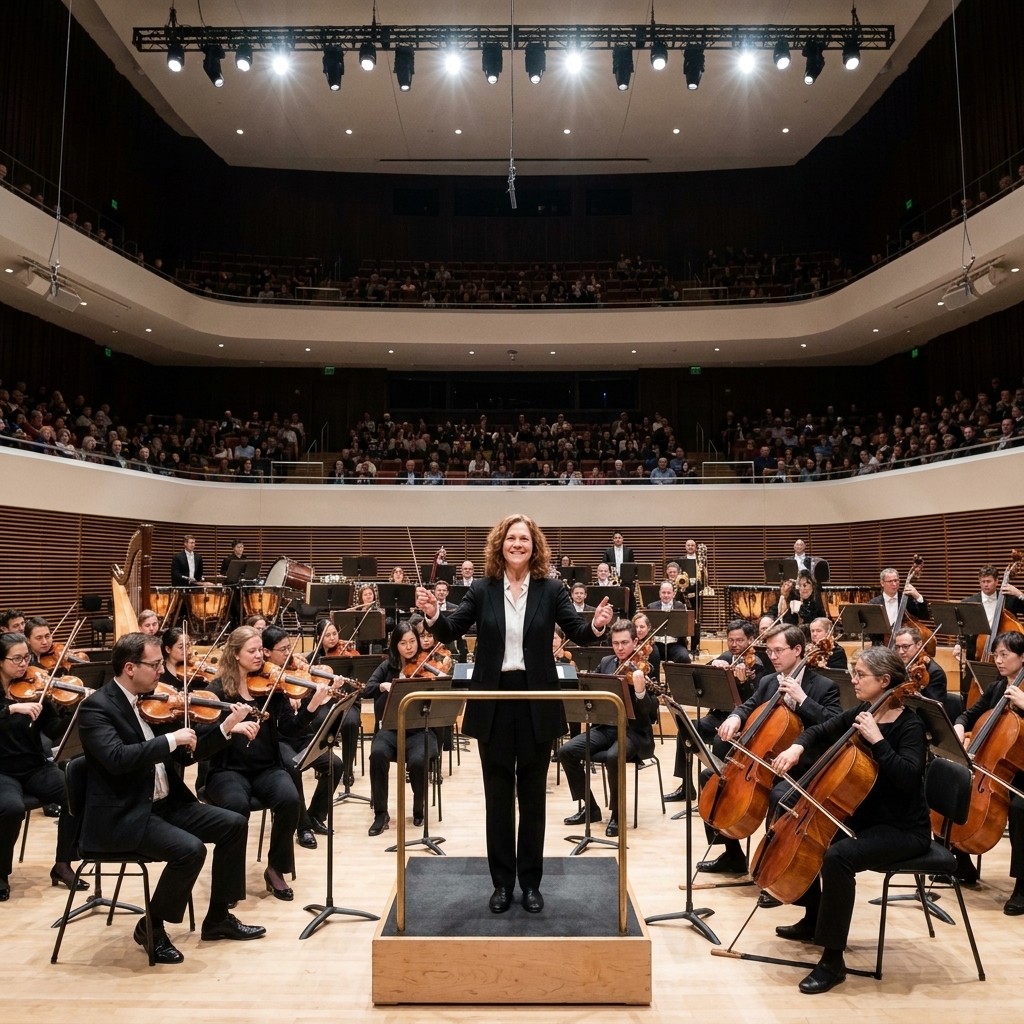
Symphony orchestra and philharmonic orchestra usually describe the same general type of large, full orchestra. The difference is most often the organization’s name and origin, not a strict musical category.
Chamber orchestra is different in a more concrete way. It is smaller, typically plays repertoire written for fewer players (or arranged for that scale), and tends to create a more intimate, transparent sound.
- Symphony: Large orchestra. The name often signals a public concert orchestra built for symphonic repertoire.
- Philharmonic: Large orchestra. The name historically ties back to “music-loving” societies and patron groups. Sonically, it is not automatically different from a symphony.
- Chamber orchestra: Smaller ensemble, often closer to one or two players per string part, with winds and brass added as needed.
Orchestra size
When people ask about the difference, they are usually asking about how many musicians are onstage. Size is not fixed. It shifts with repertoire, budget, and tradition, and there is overlap between categories.
Symphony orchestra
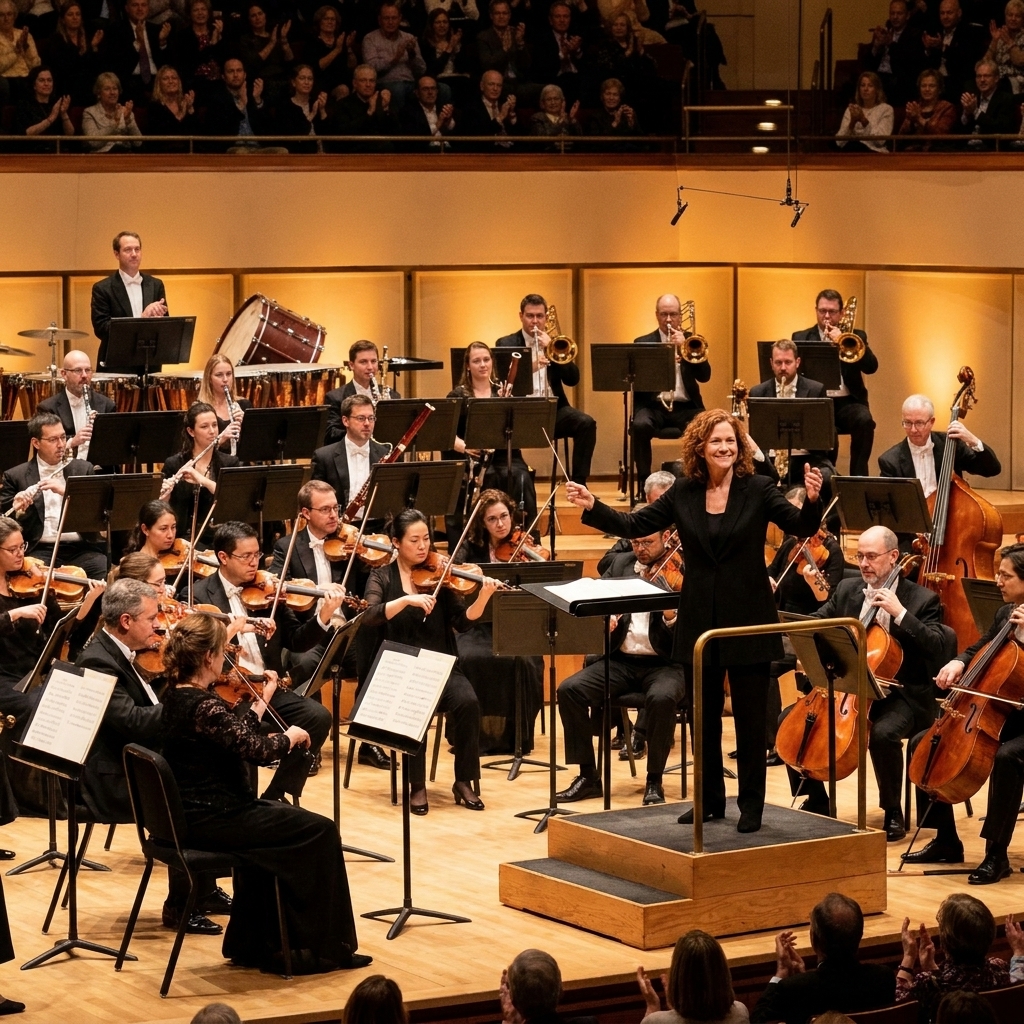
A modern full orchestra often lands around 60 to 100+ players, depending on the program. Beethoven might call for fewer. Mahler, Strauss, or big film music nights can push the headcount higher.
At this scale, you get that “cathedral of sound” effect: strings in a wide wash, winds cutting through in bright threads, brass that can feel like sunlight hitting metal.
Philharmonic orchestra
In practice, a philharmonic is generally the same size range as a symphony orchestra. If you attend a concert by a Philharmonic and a Symphony in two different cities, you are likely hearing ensembles built for the same core repertoire and the same kind of concert hall projection.
Chamber orchestra
Chamber orchestras are typically around 20 to 40 players, though you will see flexible lineups that run smaller or occasionally edge larger. The strings might be one player per part or small sections, and winds and brass appear only when the piece requires them.
The result is definition. You can often follow inner lines more easily, and rhythmic details feel crisp, like hearing footsteps in a quiet hallway.
Instrumentation
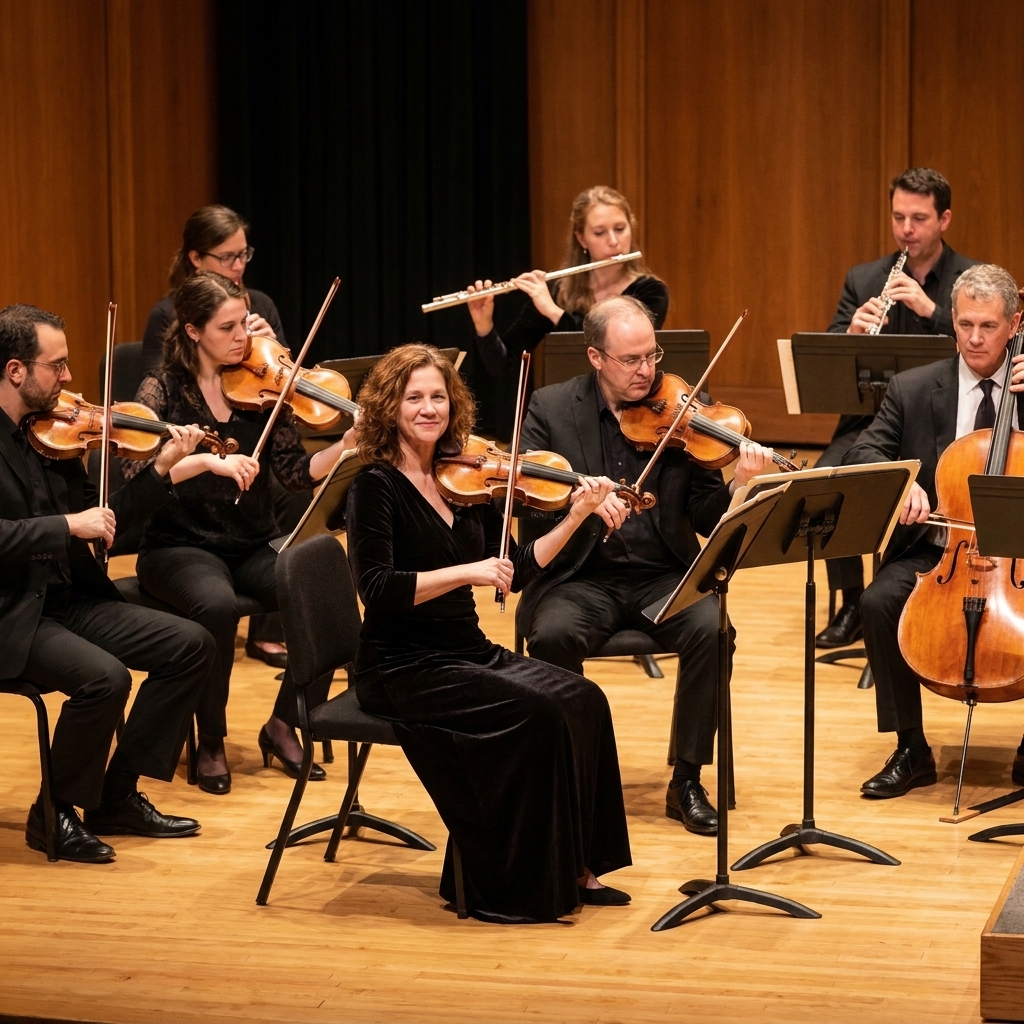
Most orchestras, regardless of name, are built from the same families of instruments. What changes is how many and how often certain sections appear.
- Strings: Violins, violas, cellos, double basses. The heart of almost every orchestra.
- Woodwinds: Flutes, oboes, clarinets, bassoons, plus auxiliaries like piccolo or English horn.
- Brass: Horns, trumpets, trombones, tuba.
- Percussion: Timpani plus a color palette that can range from triangle to massive bass drum.
- Extras as needed: Harp, piano, celesta, organ, saxophone, or even offstage instruments.
Large symphony and philharmonic orchestras have the infrastructure for maximal scoring. A chamber orchestra can absolutely play with brass and percussion, but the default is lighter, and many chamber programs lean into strings and winds for clarity.
Symphony vs philharmonic
Here is the not very mysterious truth: the name is often historical branding.
Philharmonic comes from Greek roots: philo- (loving) and harmonia (harmony, music). In many places, a philharmonic society was a membership group that supported concerts, commissioned music, and helped build a cultural institution. The orchestra might still carry that name today as an echo of its founding structure.
Symphony as a label became closely associated with public concert orchestras that played symphonic repertoire, and later with civic identity. Plenty of ensembles picked “Symphony Orchestra” simply because it signaled: we are the big orchestra in town, and we do the big repertoire.
In some cities, you will even find both names used to distinguish two different organizations, not two different instrumentations. Historically, this could happen when a city’s musical life grew enough to sustain multiple groups, or when an orchestra split, merged, or rebranded over time.
Naming conventions also vary by region. In some countries, “philharmonic” can appear in the names of choirs, concert bands, youth ensembles, or presenters. The word points to an institution’s identity more than a universal lineup of instruments.
If you are trying to guess the sound from the name alone: “Philharmonic” does not automatically mean more refined, and “Symphony” does not automatically mean bigger. It usually means “this is the orchestra’s chosen identity.”
Chamber orchestra
Chamber orchestras are where I send friends who think classical music might be “too much.” Not because the music is smaller emotionally, it is often devastatingly intense, but because the texture is readable.
In a chamber orchestra, you can sense the musicians making eye contact. You can hear an oboe line slip between two violins like a whispered aside. The ensemble breathes like a group of actors sharing a stage, and the room becomes part of the instrument.
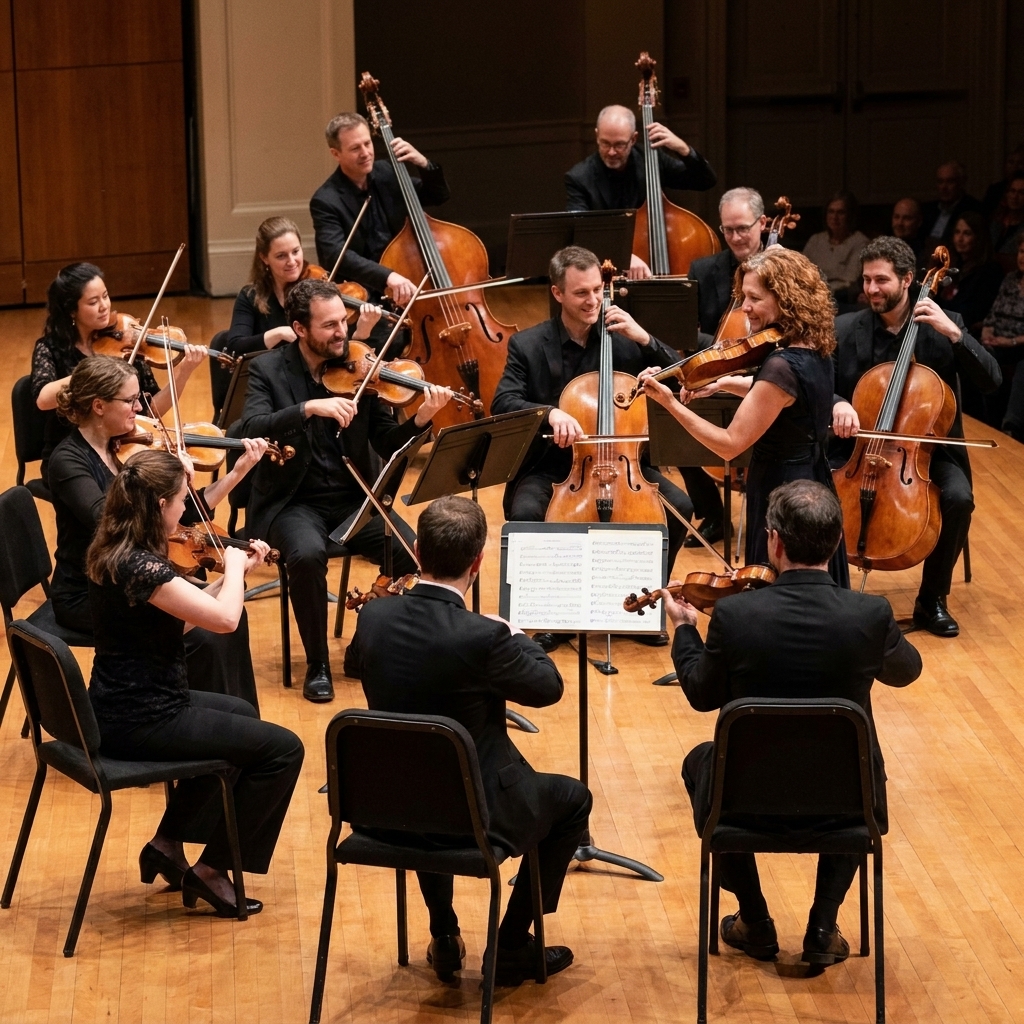
“Chamber orchestra” can mean a couple of slightly different things in practice. Sometimes it is closer to one-player-per-part strings (especially in Baroque and Classical repertoire). Sometimes it is small sections, still leaner than a full symphony, but with enough bodies to shape a broader dynamic range.
Many chamber orchestras also perform without a conductor for certain programs, led from the concertmaster’s chair or by a principal player. That changes the energy in the room. It feels collaborative and immediate, like watching a great conversation where everyone is listening as hard as they are speaking.
Repertoire
Repertoire is where these categories start to feel tangible. Not because a symphony orchestra cannot play chamber-scale music, but because the scale of the ensemble matches certain musical eras and ambitions.
Symphony and philharmonic
Large orchestras are built to handle the big spine of the Western concert tradition, plus contemporary works that require heft:
- Classical and early Romantic: Haydn, Mozart, Beethoven, Schubert.
- High Romantic: Brahms, Tchaikovsky, Dvořák.
- Late Romantic and early modern: Mahler, Richard Strauss, Debussy, Ravel.
- 20th century and beyond: Stravinsky, Shostakovich, contemporary premieres.
- Large choral and soloist collaborations: choral-symphonic works, big concertos, and other choral-orchestral programs that benefit from larger forces.
You will also see more programs featuring expanded percussion, multiple harps, or offstage brass because the personnel and stage logistics are already part of the machine.
Chamber orchestra
Chamber orchestras shine in music where transparency is the point, and where the architecture can be felt without sheer mass:
- Baroque: Bach, Handel, Vivaldi, often with a historically informed approach.
- Classical: Mozart, Haydn, early Beethoven.
- String-centered works: Serenades, divertimenti, string symphonies.
- 20th century chamber-orchestra classics: Britten and modern commissions designed for flexibility.
Some chamber orchestras will also do clever reductions of larger works. When it is done well, it is not a compromise. It is a new angle, like seeing a familiar painting under different light.
Leadership
Behind every performance is a structure that keeps the art possible: funding, rehearsal schedules, union rules, venue contracts, community expectations. The ensemble type can hint at how that structure looks.
Large orchestras
- Music director or chief conductor: The long-term artistic leader, often shaping the season’s identity.
- Guest conductors: Regular visitors who bring different styles and repertoire.
- Section principals: Leaders within strings, winds, brass, and percussion.
- Administrative staff: Marketing, development, education, operations, stage crew.
These institutions frequently serve as cultural anchors in their cities, with education programs, outreach concerts, and commissions.
Chamber orchestras
- Artistic director or concertmaster-led model: Sometimes a conductor, sometimes rotating leadership.
- Flexible personnel: Player count changes more dramatically from program to program.
- Programming agility: Easier to mount unusual repertoire and contemporary collaborations.
Venues and acoustics
One of the quiet reasons these ensembles feel different is the space they are designed to live in.
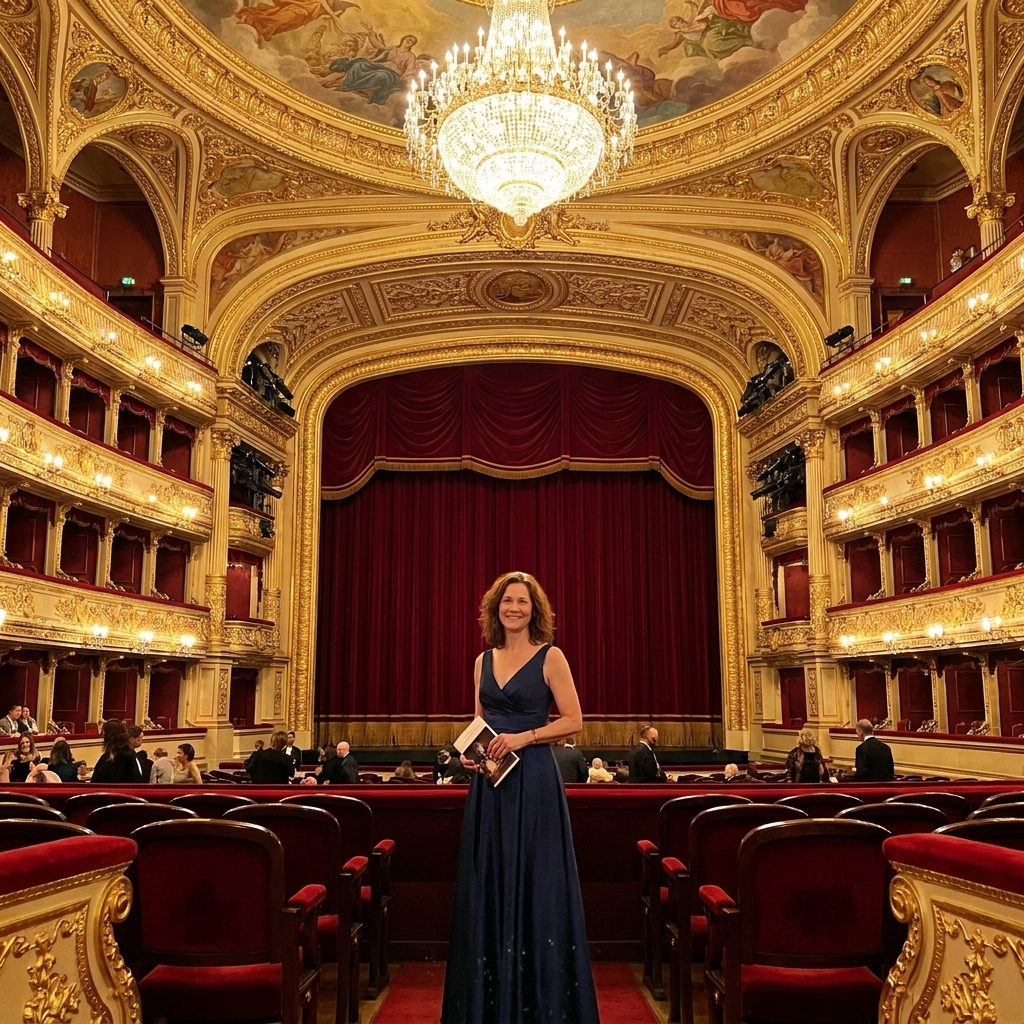
Symphony and philharmonic orchestras are made to fill large concert halls. The sound needs to carry, bloom, and remain balanced even when the brass stands up and the percussion enters.
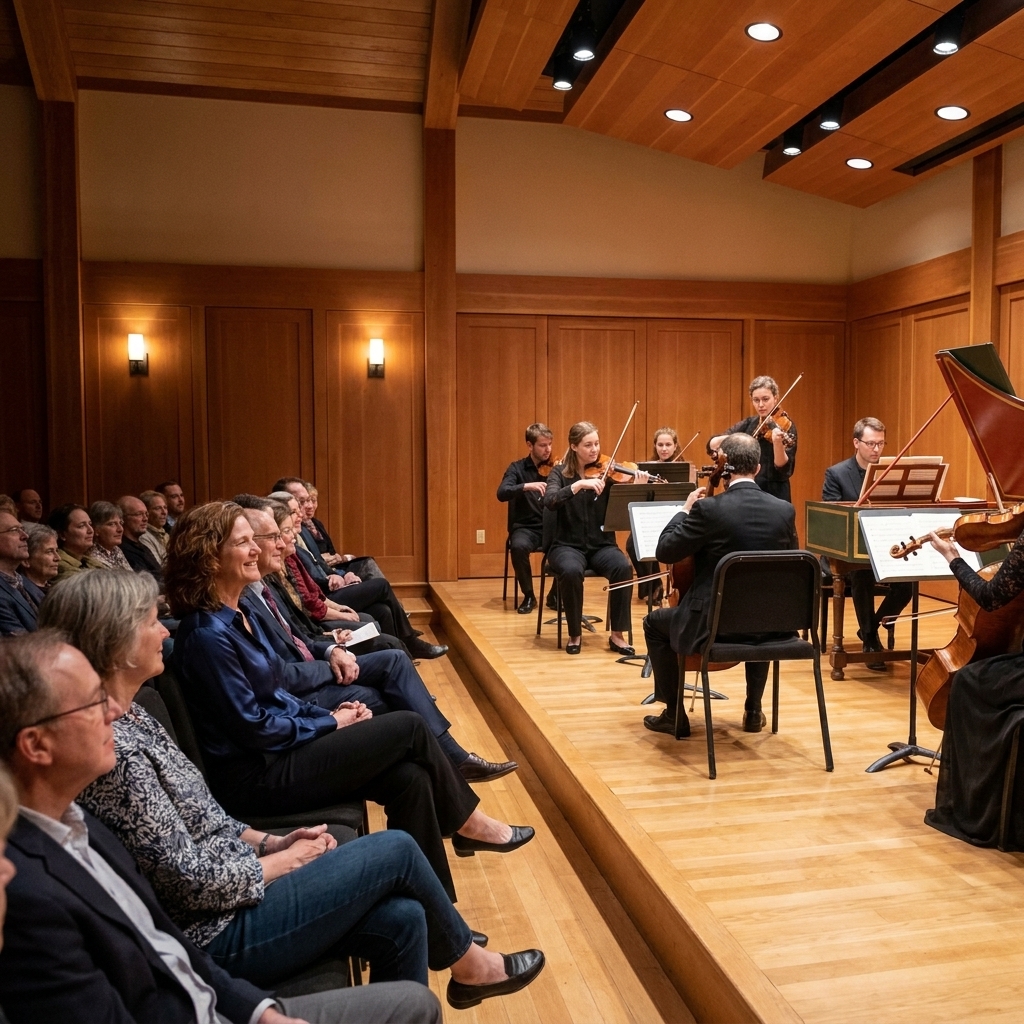
Chamber orchestras often thrive in smaller halls, churches, museums, and intimate theaters. In those spaces, a smaller group does not feel underpowered. It feels present. You hear detail instead of distance.
Which concert to see
If you are standing on the edge of buying a ticket, here is a gentle way to decide.
- Go symphony or philharmonic if you want a big emotional canvas, lush strings, and the thrill of orchestral power. This is your go-to for blockbuster symphonies and showpiece concertos.
- Go chamber orchestra if you want intimacy, clarity, and the sense of hearing individual personalities inside the ensemble. This is a beautiful entry point if you are classical-curious.
And if your local orchestra uses “symphony” or “philharmonic,” do not overthink it. Look at the program. The repertoire will tell you what kind of night it is going to be.
FAQ
Is a philharmonic orchestra better than a symphony orchestra?
No. “Philharmonic” is usually a naming tradition, not a quality ranking. Excellence comes from the musicians, leadership, rehearsal culture, and support system, not the label on the poster.
Are symphony and philharmonic orchestras the same thing?
Most of the time, yes in terms of size and function. They are both full orchestras built for symphonic repertoire. In some places, the names distinguish two separate organizations in the same region.
Is a chamber orchestra the same as chamber music?
They are related but not identical. Chamber music usually means small ensembles like quartets and trios, typically one player per part. A chamber orchestra scales that intimacy up, either with one or two players per string part and winds added as needed, or with small sections depending on the repertoire.
Do chamber orchestras use a conductor?
Sometimes. Many perform with a conductor for certain works and without one for others, especially in Baroque and Classical repertoire.
What about “the symphony”?
When someone says “I’m going to the symphony,” they usually mean they are going to hear an orchestra concert, regardless of whether the organization is technically called a Symphony or a Philharmonic.
A listening tip
Next time you are in the hall, try this: close your eyes during the opening minute. Notice whether you are hearing a blended wall of sound or a set of distinct voices in conversation. Neither is better. They are just different ways of being moved.
And if you ever spot a vintage orchestra poster in an antique shop, take a moment with it. The typography alone can tell you how that city wanted to be heard.