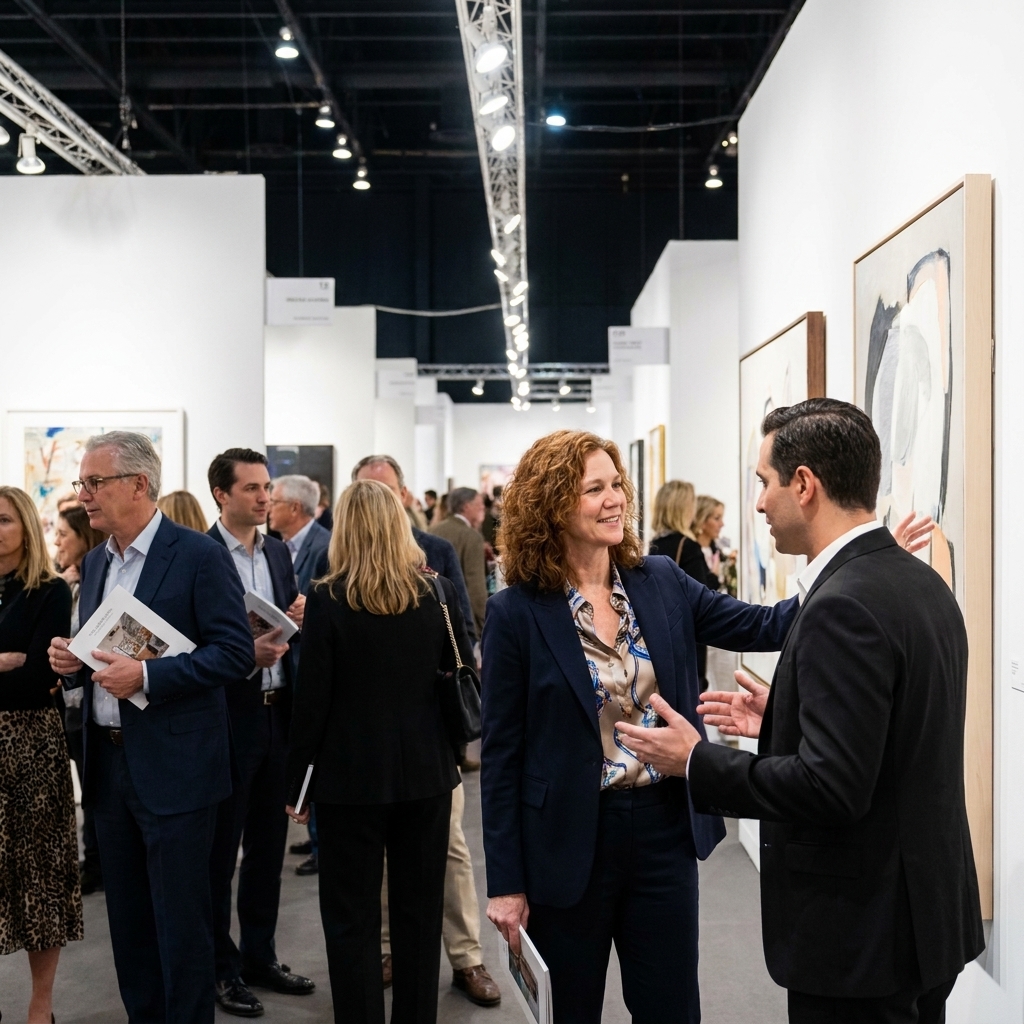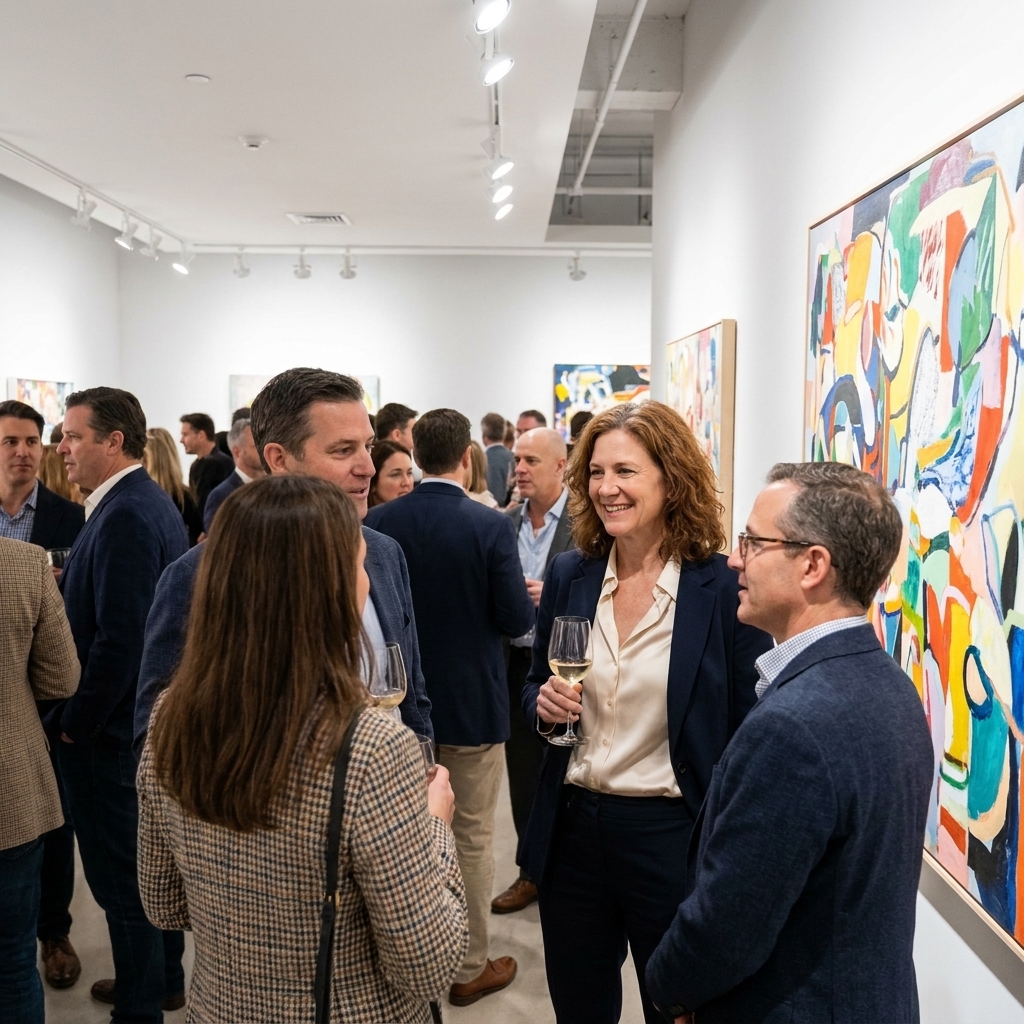
There is a particular feeling that hits the moment you step into a good contemporary gallery. The air is quieter. The walls are cleaner than any wall has a right to be. And suddenly you are aware of your own shoes. If you have ever thought, I like art, but I do not know how to buy it, you are in very good company.
I spent years on both sides of the room: helping mount shows, talking collectors through their first purchase, and watching artists slowly build a market one careful relationship at a time. This guide is for the person who wants to collect contemporary fine art with clear eyes and a steady heart. Not as a status sport, but as a long relationship with objects that change the way you live.
Start with expectations
Let’s say the quiet part out loud: contemporary art can be an investment, but it is not a savings account. It is closer to owning a small piece of culture in real time, with all the unpredictability that implies.
Typically, most contemporary works do not dramatically appreciate, especially in the short term and outside the most in-demand tiers. Some hold steady. A small handful rise sharply. The healthiest mindset I have seen is this: buy what you would still want to live with if the price never changes, and then do the due diligence that gives your purchase its best possible odds.
Collector vs. investor
- A collector builds a personal ecosystem: themes, mediums, ideas, and artists they return to.
- An investor focuses on market signals: representation, institutional attention, sales velocity, and price discipline.
- The sweet spot is collecting with an investor’s rigor and a collector’s sincerity.
Where art is sold
Not all sales rooms play by the same rules. Knowing the differences saves you time, embarrassment, and money.
Commercial galleries
Galleries are long-term partners for artists. They nurture careers, place work with collectors, and try to keep prices coherent over time. A reputable gallery is often a safer first step than the open secondary market, although galleries vary widely in professionalism. Ask for clear documentation and straightforward terms, and treat vagueness as a reason to slow down.
Art fairs
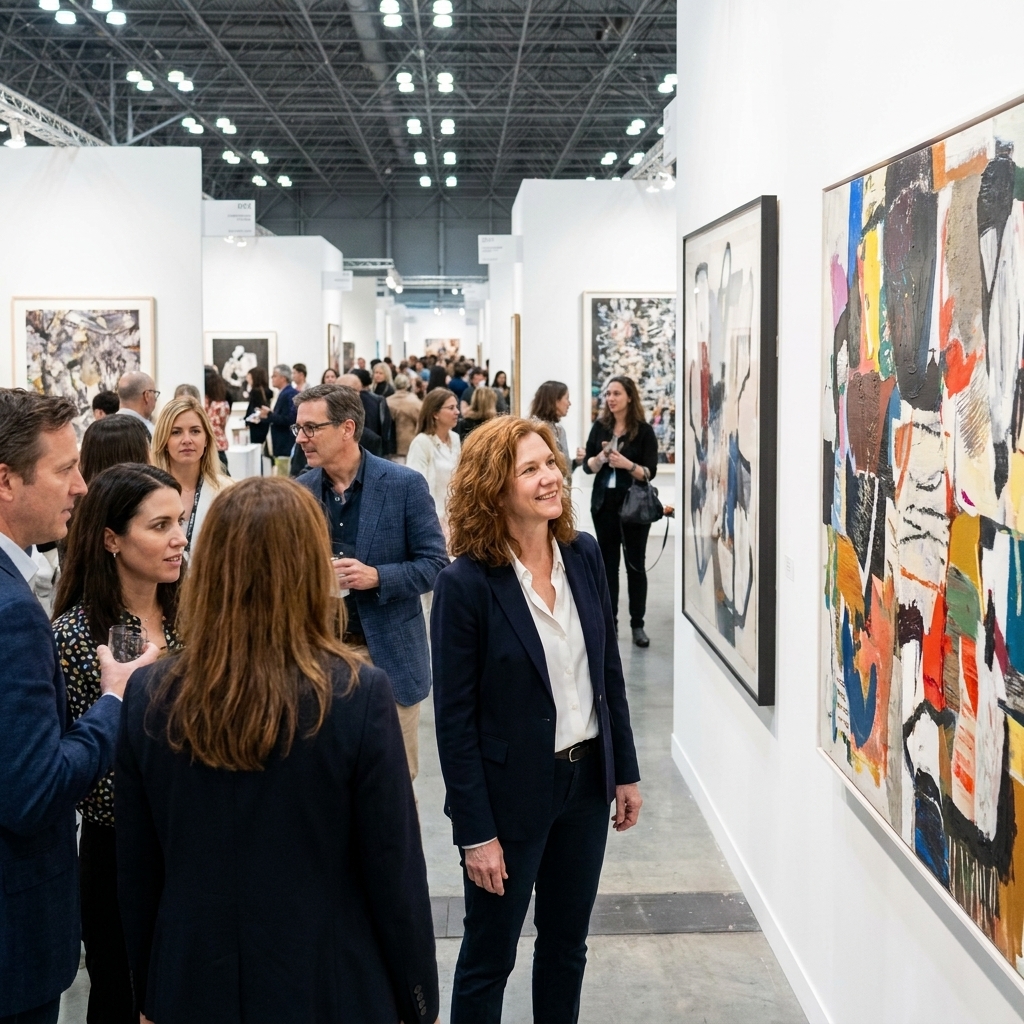
Fairs are galleries on fast-forward. You can see dozens of programs in a day, which is thrilling and also exhausting. The danger is impulse. The benefit is comparison: you start to notice what stops you, consistently, across booths.
Auctions
Auctions can offer useful transparency through published results, but they are rarely the whole picture. Some prices are shaped by guarantees, private arrangements, and undisclosed reserves. You will also need to factor in buyer’s premium, taxes, condition reports, and the possibility that a work is appearing at auction because it could not be placed quietly.
Online platforms and artist studios
Online buying can be excellent if documentation and return policies are strong. Buying directly from artists can be wonderful, especially early on, but treat it with the same seriousness: ask for invoices, certificates when applicable, and clear edition details.

Gallery basics
Gallery etiquette is simpler than it looks. You are allowed to be curious. You are allowed to take your time. You are even allowed to say, “I’m new to collecting.” Most gallerists I know prefer honesty over performance.
Do this
- Spend time before you speak. Let the work have its first conversation with you.
- Ask for a checklist. This is the printed or digital list of works, titles, mediums, and prices.
- Ask questions that show care. “When was this made?” “Is this part of a series?” “What is the artist exploring lately?”
- Request images. It is normal to ask for installation photos or a PDF with details.
Avoid this
- Do not touch the work. Even if it looks sturdy. Especially if it looks sturdy.
- Do not photograph everything without asking. Some shows have restrictions.
- Do not treat price like a taboo. Asking is fine. Whispering about it like contraband is what makes the room tense.
One of the most collector-friendly sentences you can say is: “Could you tell me the story of this piece?”
Spot emerging artists
“Emerging” can mean genuinely early career, or simply “not yet expensive.” Instead of hunting for a mythical secret genius, look for the slow, credible build of a practice.
Signals that matter
- Consistency of work. Not one good painting, but a body of work that holds together.
- Quality of presentation. Thoughtful installation, good documentation, clear titles and dates. It suggests seriousness.
- Representation and support. A gallery that shows the artist repeatedly and invests in their growth.
- Institutional attention. Group shows at museums, serious non-profit spaces, or respected biennials can be meaningful. Not because institutions are perfect, but because they move slowly and tend to document what they do.
- Critical writing. A smart review, a catalog essay, or sustained coverage that engages with the work itself.
- Collector placement. Works placed in collections known for supporting artists long-term, not just flipping.
Signals to pause on
- Prices rising too fast, too early. If the numbers jump wildly between similar works, it can indicate hype without infrastructure.
- Too many works at auction, too soon. Early, frequent auction appearances can destabilize an artist’s primary market. Context matters, though. Charity auctions, a single-owner collection, or a one-off estate sale are different from speculative churn.
- Inconsistent materials or sloppy finishing. This is not about “polish.” It is about longevity and care.

Understand pricing
New collectors often assume prices are either arbitrary or secret. In reality, pricing is usually a mix of practical math and career strategy.
What influences the price
- Medium and materials. Oil, bronze, and archival processes often cost more to produce than works on paper.
- Scale and complexity. Larger is not always better, but it is often more expensive.
- Edition size (for prints and photographs). Smaller editions generally command higher prices per work.
- Career stage. A first solo show is priced differently than a third solo show after museum acquisition.
- Market history. Previous sales, demand, and consistency across similar works.
A grounded example
For an emerging artist, a small work on paper might land around a few hundred to a couple thousand dollars, depending on the gallery, the process, and the artist’s track record. A similar-sized painting, with higher material cost and longer studio time, is often priced higher. The point is not the exact number. The point is that there is usually a logic you can ask about.
Can you negotiate?
Sometimes. Particularly if you are buying more than one work, paying promptly, or building a relationship with the gallery. Expect modest discounts, not dramatic bargaining. And remember: a discount is not “winning.” The real win is buying well and caring for what you bring home.
Do your homework
This is the part no one puts in the cocktail conversation, but it is what separates confident collectors from anxious ones.
Before you buy, ask for
- An invoice with the artist name, title, date, medium, dimensions, and price.
- Provenance (ownership history) if the work is not coming directly from the gallery representing the artist.
- Condition details. Especially for works on paper, photographs, and mixed media.
- Edition information for prints and photographs, including edition number and any artist proofs.
- Authenticity documentation when applicable. Some artists and estates issue certificates; some do not. The key is clear, verifiable paperwork from a reputable source.
- Terms in plain language: payment schedule, when title transfers, and whether the sale is final or includes an “on approval” period.
Red flags
- Vague answers about where the work came from.
- Pressure tactics like “You must decide in the next hour.”
- Refusal to provide basic details on medium, edition, condition, or terms.
What holds value
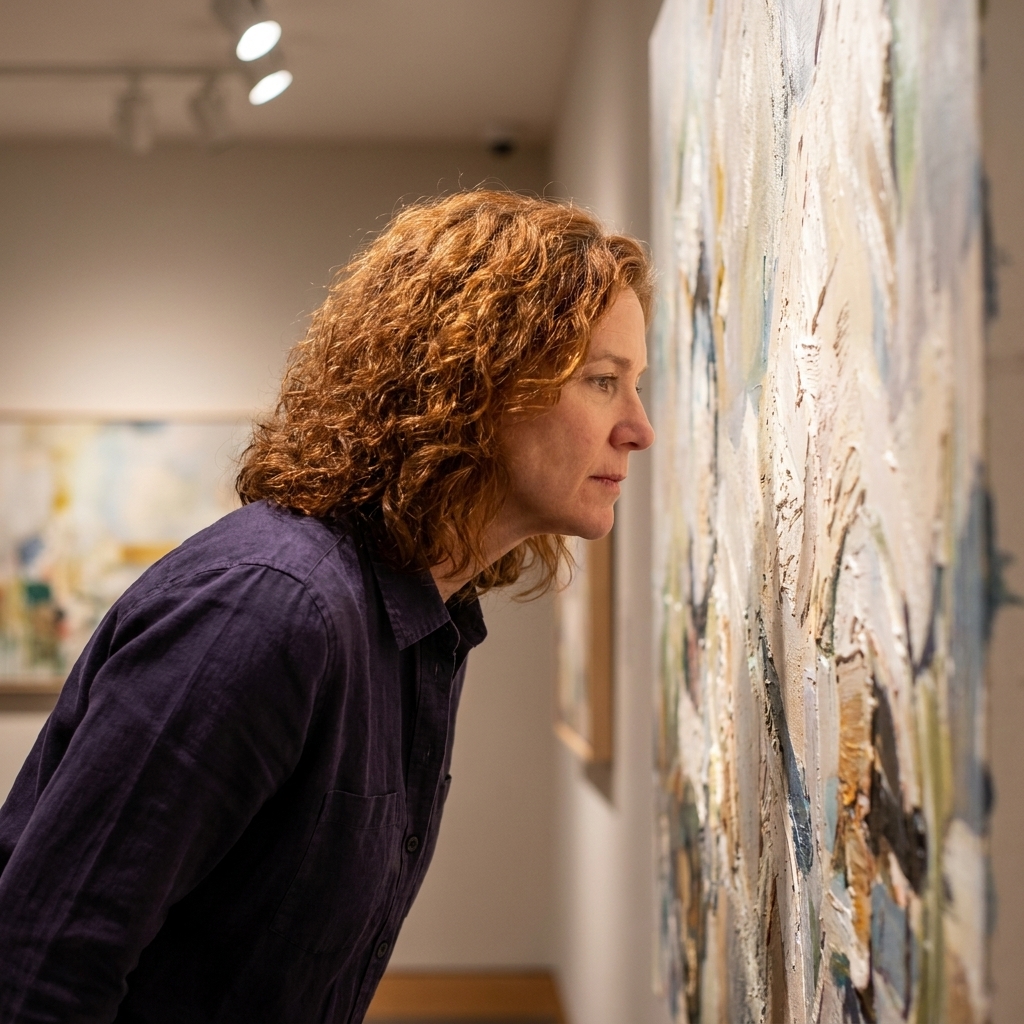
When we talk about “value,” there is the number and there is the life you live with the work. Long-term strength tends to show up when those two are not at war.
Things that age well
- Clear, sustained practice. Artists who keep making, refining, and expanding their ideas.
- Archival materials and sound fabrication. Longevity matters, especially if you may resell later.
- Thoughtful scarcity. Not artificially limited output, but a pace that keeps quality high.
- Placement. Works acquired by museums or respected collections can signal durability.
- Coherent pricing. Slow, steady increases are usually healthier than sudden leaps.
Medium notes
- Works on paper can be a beautiful entry point. They are often more affordable, but they require careful framing and light protection.
- Editioned works (prints, photographs, some sculptures) can be smart if the edition is well-managed and the artist has strong demand. Always verify edition size and whether there are artist proofs.
- Painting is often more liquid than many other media in many markets, especially at the mid to high end. It is also crowded. Quality and a distinct voice matter.
- Time-based and digital media can be powerful and collectible, but requires extra clarity on display rights, files, certificates, editioning, and long-term preservation planning.
Costs and logistics
Collecting is romance plus logistics. The logistics are what keep the romance from turning into regret.
Taxes and fees
- Sales tax or VAT. This can materially change the final price. Ask early.
- Cross-border costs. Import duties, customs brokerage, and local use tax may apply when shipping internationally.
- Auction add-ons. Beyond buyer’s premium, budget for shipping, storage, photography, and sometimes additional handling fees.
Framing and display
- Use archival materials, especially for paper.
- Keep work out of direct sunlight and away from humidity swings.
- As a baseline, aim for stable conditions around normal room temperature and moderate humidity. If you live somewhere extreme, ask a conservator or the gallery what the medium can tolerate.
- If you are unsure, ask the gallery for framing recommendations. A good gallery has a short list of framers they trust.
Shipping
- Professional art shipping is worth it for valuable or fragile works.
- Confirm who is responsible for shipping costs, insurance in transit, and delivery timing in writing.
Insurance
If you are building a collection, talk to your homeowner or renter insurance provider about a scheduled personal property rider, or consider a specialist art insurer. Keep invoices, condition notes, and installation photos organized. Future you will be grateful.

A first-year plan
If you want structure, here is a gentle path that still leaves room for surprise.
Months 1 to 3: Look
- Visit local galleries and non-profit spaces regularly.
- Save images of works you cannot stop thinking about.
- Notice patterns: certain colors, subjects, materials, or emotional temperatures.
Months 4 to 6: Research
- Read artist statements, but also interviews. The latter often reveals more.
- Track where the artist has shown, and with whom.
- Ask galleries what is typical for the artist’s pricing and availability.
Months 7 to 12: Buy one work
- Buy within a budget that does not make you resent the work later.
- Get clean documentation and clear terms.
- Install it well. Live with it. Let it teach you what you want next.
The best beginner collection is not the one that looks expensive. It is the one that looks like a mind waking up.
Quick glossary
- Checklist: a list of works in a show with titles, mediums, dimensions, and prices.
- Primary market: the first sale of a work, usually through the gallery representing the artist.
- Secondary market: resale, often via auction, dealers, or private sales.
- Buyer’s premium: an additional fee paid by the buyer at auction on top of the hammer price.
- Reserve: the confidential minimum price a seller will accept at auction.
- Guarantee: a promise (often financial) that a work will sell for a minimum amount, which can shape auction dynamics.
- Edition / AP: edition means the total number produced; AP (artist proof) is a small allotment outside the numbered edition.
- Provenance: ownership history of the work.
FAQ
How much should I spend on my first piece?
Spend an amount that lets you buy thoughtfully and still sleep. For some people that is $300 on a print. For others it is $3,000 on a small painting. The right number is the one that does not force you into a rushed resale later.
Is it okay to buy art purely as an investment?
You can, but it is risky without deep market access and patience. If investment is your primary goal, consider diversifying: mix an emerging artist you truly love with a more established name whose market is relatively stable.
What should I ask a gallery before purchasing?
Ask for the checklist, invoice details, condition information, edition details if relevant, and estimated delivery timeline. Also ask about terms: payment timing, when title transfers, and whether there is an on approval period or return window.
How do I avoid fakes in contemporary art?
Buy from reputable galleries, request clear documentation, and be cautious with deals that feel unusually cheap. For secondary market purchases, provenance and paperwork matter. When in doubt, slow down.
What is the difference between primary and secondary market?
The primary market is the first sale of a work, usually from the gallery representing the artist. The secondary market is resale, often through auctions or dealers. Primary is typically where careers are built; secondary is where prices can become publicly visible.
How does resale usually work?
Resale is rarely instant. You may consign through a gallery or auction house, wait for the right sale date, and pay a seller’s commission. Liquidity is not guaranteed, and timelines can be measured in months, not days.
Do artist resale rights apply?
In some countries, artist resale rights (sometimes called droit de suite) may require a percentage of certain resales to be paid to the artist or estate. Rules vary by jurisdiction, so ask your advisor, gallery, or auction house if you are selling across borders.
A final note
Collecting contemporary art is not about proving you belong. It is about paying attention, and then choosing to bring something home because it made you feel more awake in your own life.
If you want the most practical piece of advice I can offer, it is this: buy slowly, document everything, and keep looking. Taste is a muscle. The more you use it, the more it starts to carry you.