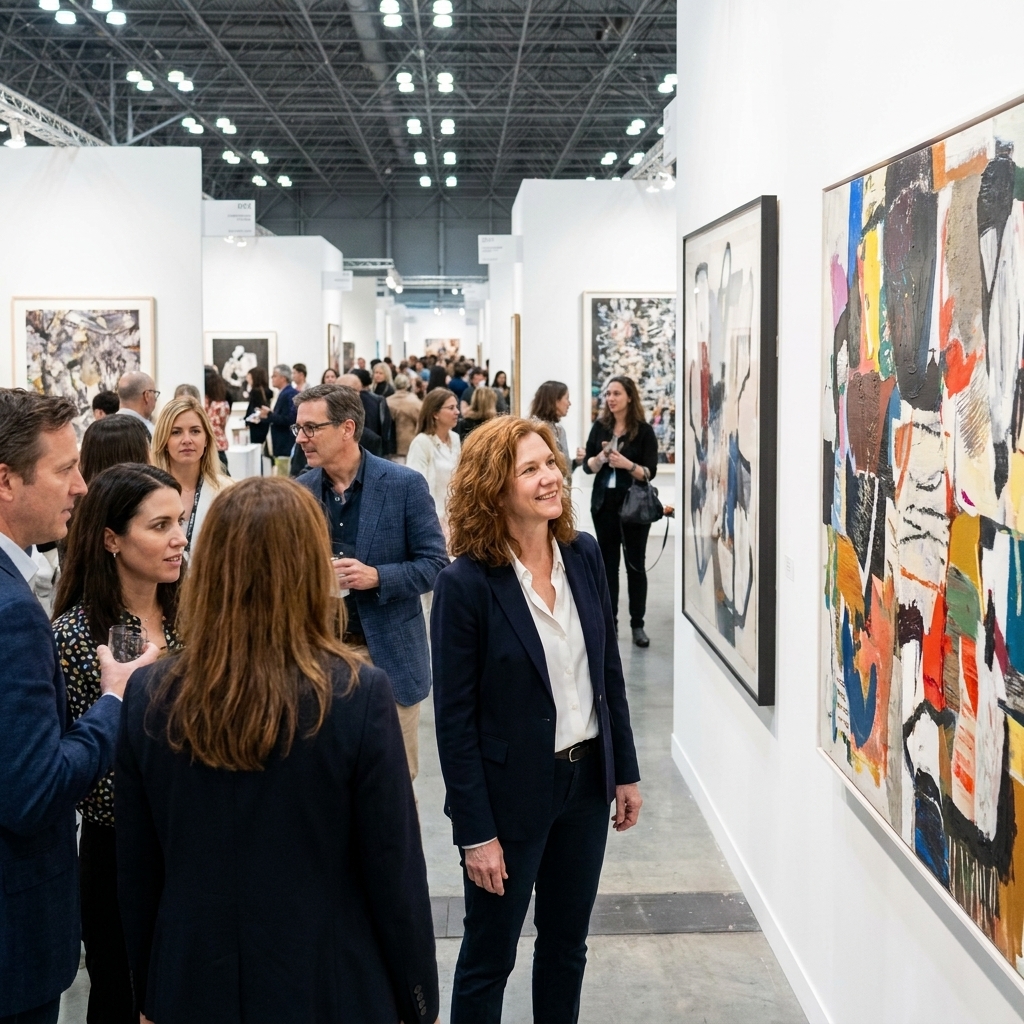
Art fairs and gallery openings can feel like the arts version of rush-hour: bright lights, fast conversations, a thousand beautiful things competing for your attention, and a subtle fear that the moment you blink, the best piece will be gone.
The secret is that you do not need to out-hustle the room. You need a plan, a calm way of looking, and a few sentences that help you speak clearly with gallerists without turning the whole experience into a stress test. Consider this your collector’s map : how to walk the floor efficiently, evaluate what you are seeing, and negotiate in a way that keeps relationships intact.
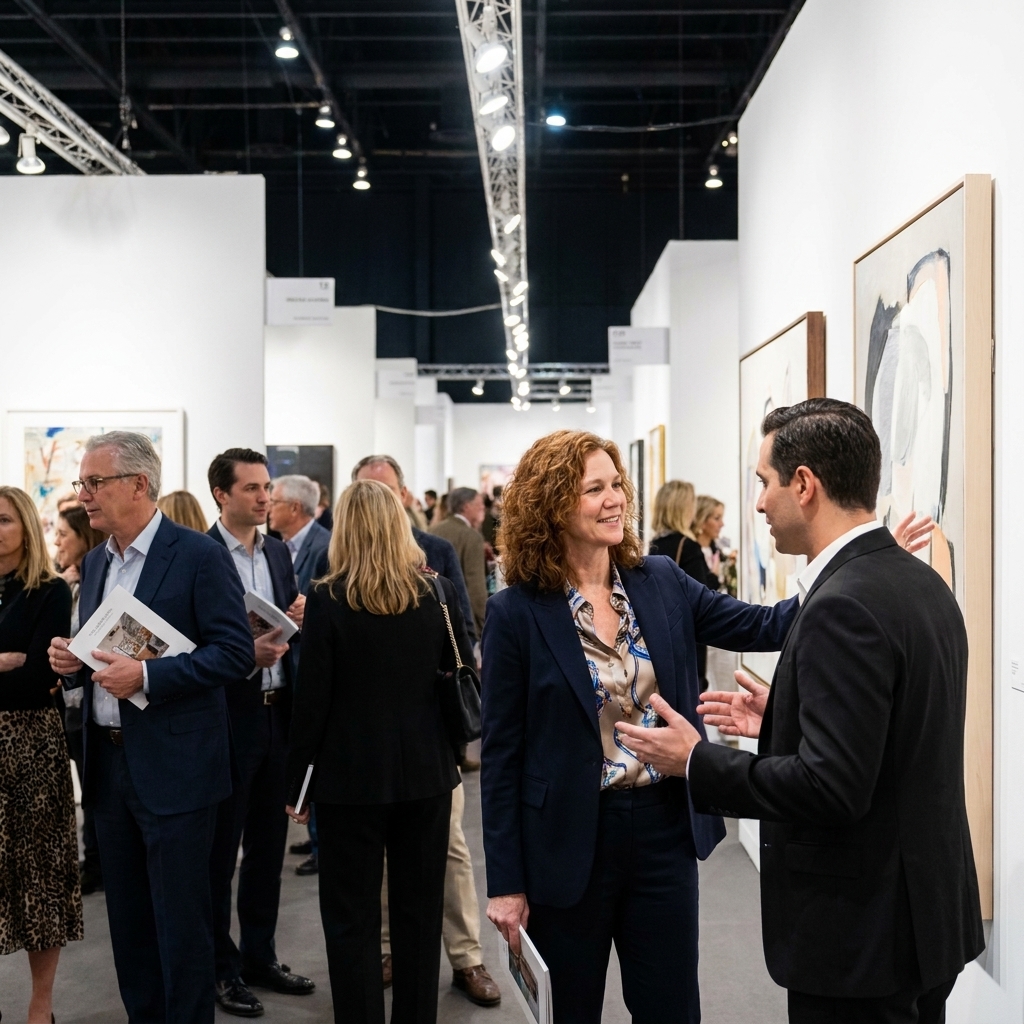
Before you go: set intentions (and boundaries)
If you arrive at a fair or opening hungry, under-caffeinated, and vaguely hoping the perfect artwork will fling itself into your arms, the day will run you. A little pre-work gives you back your agency.
Decide what you are shopping for
- Budget: Give yourself a real range. Include tax, shipping, framing, and any conservation costs.
- Size and placement: Measure the wall. If you are buying sculpture, measure doorways and elevators too.
- Medium comfort: Paint is not the only route to a serious collection. Works on paper, photography, editions, and textiles can be extraordinary, and they can come with strong documentation when the gallery is rigorous.
- Timeline: Are you ready to purchase now, or are you researching an artist for a future acquisition?
Do a light reconnaissance
Most fairs publish exhibitor lists and sometimes booth previews. You are not doing homework to impress anyone. You are doing it so your eyes do not melt by booth 40.
- Star booths you want to see first.
- Write down 5 to 10 artists or galleries that matter to you.
- Look up recent comparable sales when possible, especially if you are targeting an artist whose prices have moved quickly.
Pack like a person who plans to be decisive
- A phone charger or battery pack.
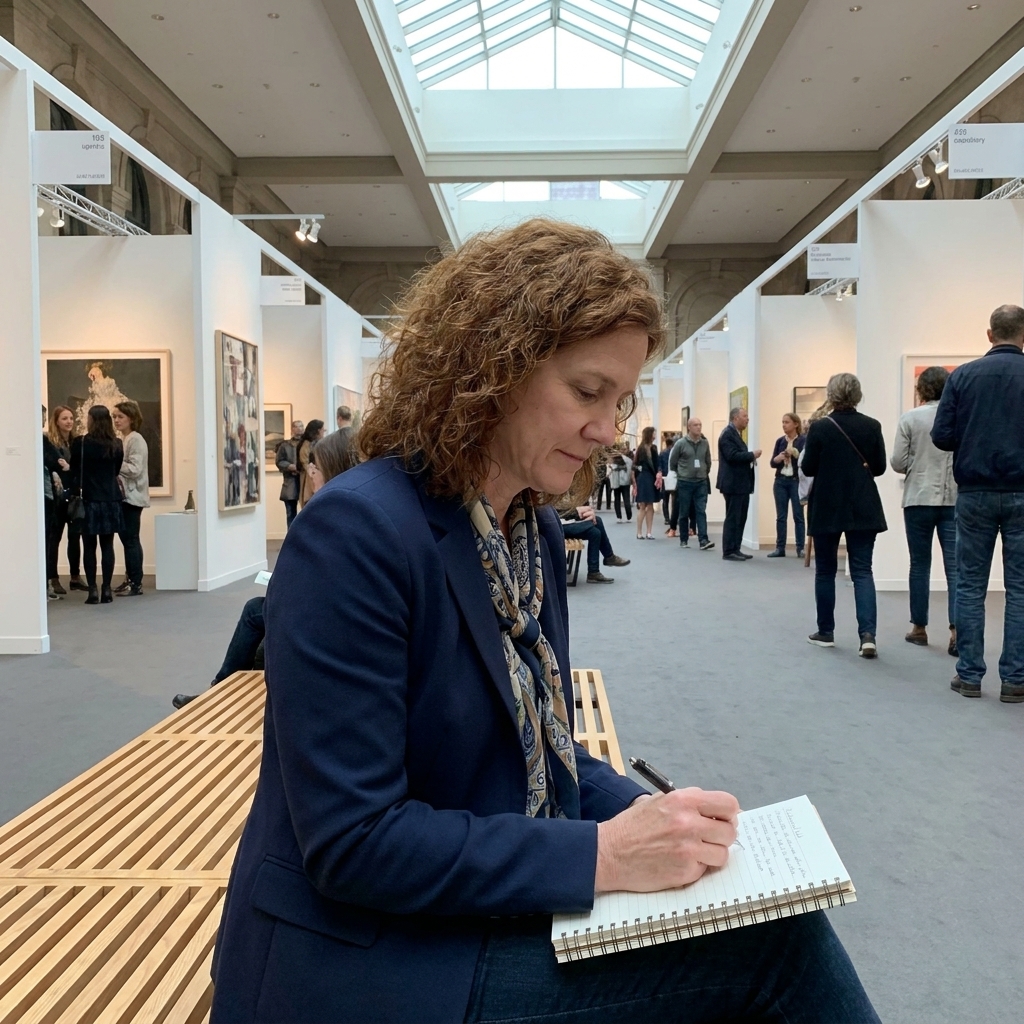
- A notes app template: booth, artist, title, year, medium, dimensions, price, edition number, condition notes, what you loved.
- Comfortable shoes. The most elite collectors I know are also the most practical.
- A slim folder if you expect printed checklists or condition reports.
How to walk the floor
Efficiency is not about sprinting. It is about protecting your attention so you can recognize the work that actually speaks to you.
Use a two-pass method
Pass one: A brisk lap to catch your instincts. If a piece stops you mid-step, note it. Photograph the label if allowed, or jot the details immediately.
Pass two: Return to your short list and look slowly. Real desire holds up under a second viewing. So does real quality.
Start with the galleries you came for
Go to your priority booths first, before your eyes get tired and your standards get fuzzy. If you are attending a VIP preview, this is especially important because sought-after works can be reserved or sold quickly.
Take micro-breaks
Step outside, find a quiet corner, drink water. Visual fatigue is real. When everything starts to look equally interesting, it usually means you are overloaded, not that the fair suddenly became perfect.
How to evaluate a piece fast
I am going to say something that sounds obvious, but it is the entire game: look at the art longer than you look at the price. Now, here is how to make those minutes count.
Start with three questions
- Does it hold you? Not just for ten seconds, but for a full minute.
- Is it resolved? Even intentionally rough work has a sense of completion, like a performance that knows when to exit.
- Can you live with it? Not as a trophy, but as a daily presence in your space and your mind.
Then do the craft check
Different mediums have different tells.
- Paintings: Look at edges, surface sheen, and consistency of technique. Ask about varnish and any prior restoration.
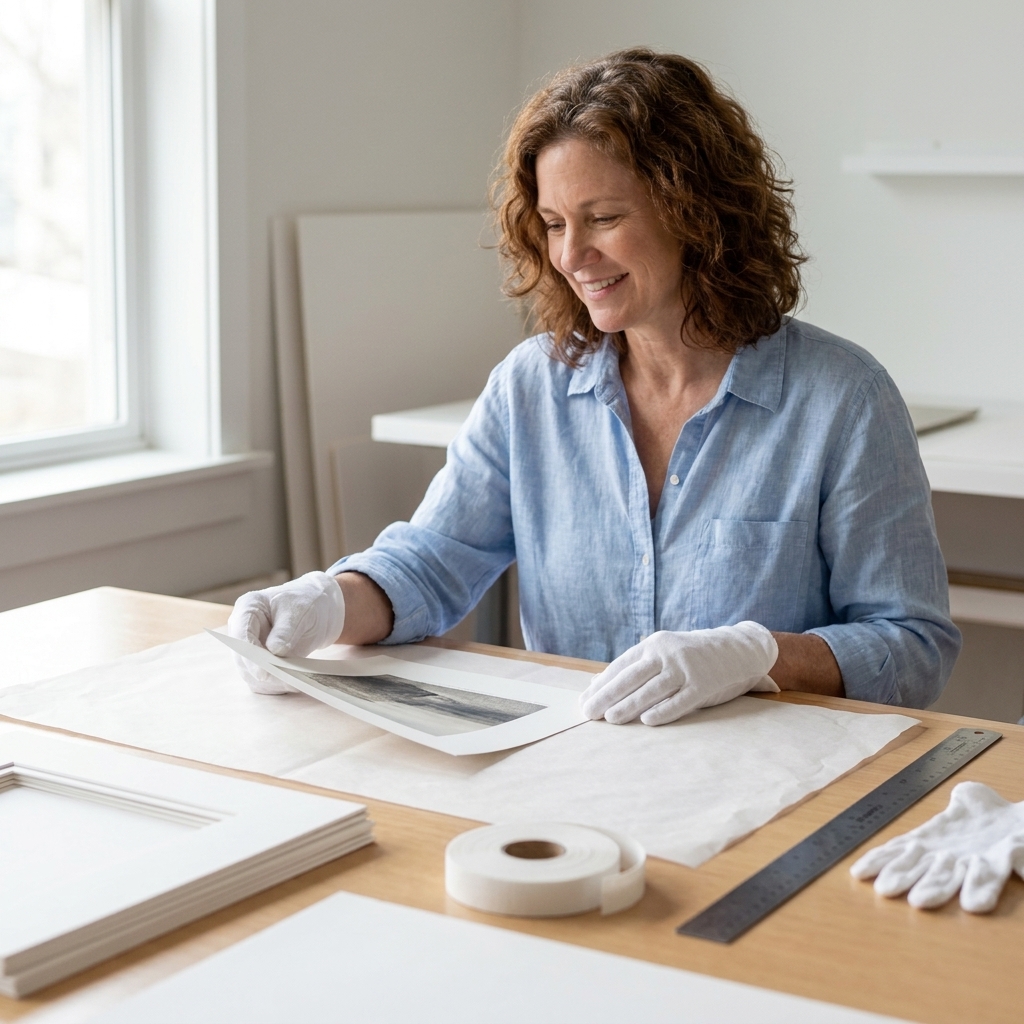
- Works on paper: Ask how it has been stored and framed. Confirm the matting, backing, and hinges are archival and acid-free . Look for foxing, rippling, tears, or light staining.
- Photography: Confirm the print process, edition size, and whether it comes with an artist signature and a certificate of authenticity. Ask how artist proofs are handled, whether the edition is truly limited, and whether the edition changes across sizes. In most cases, you are buying the physical print and documentation, not reproduction rights.
- Sculpture: Ask about materials, patina or finish, stability, and installation requirements. For heavier works, confirm mounting or base details.
Ask for the documentation without making it weird
A good gallery is used to these questions. You can sound confident and human at the same time.
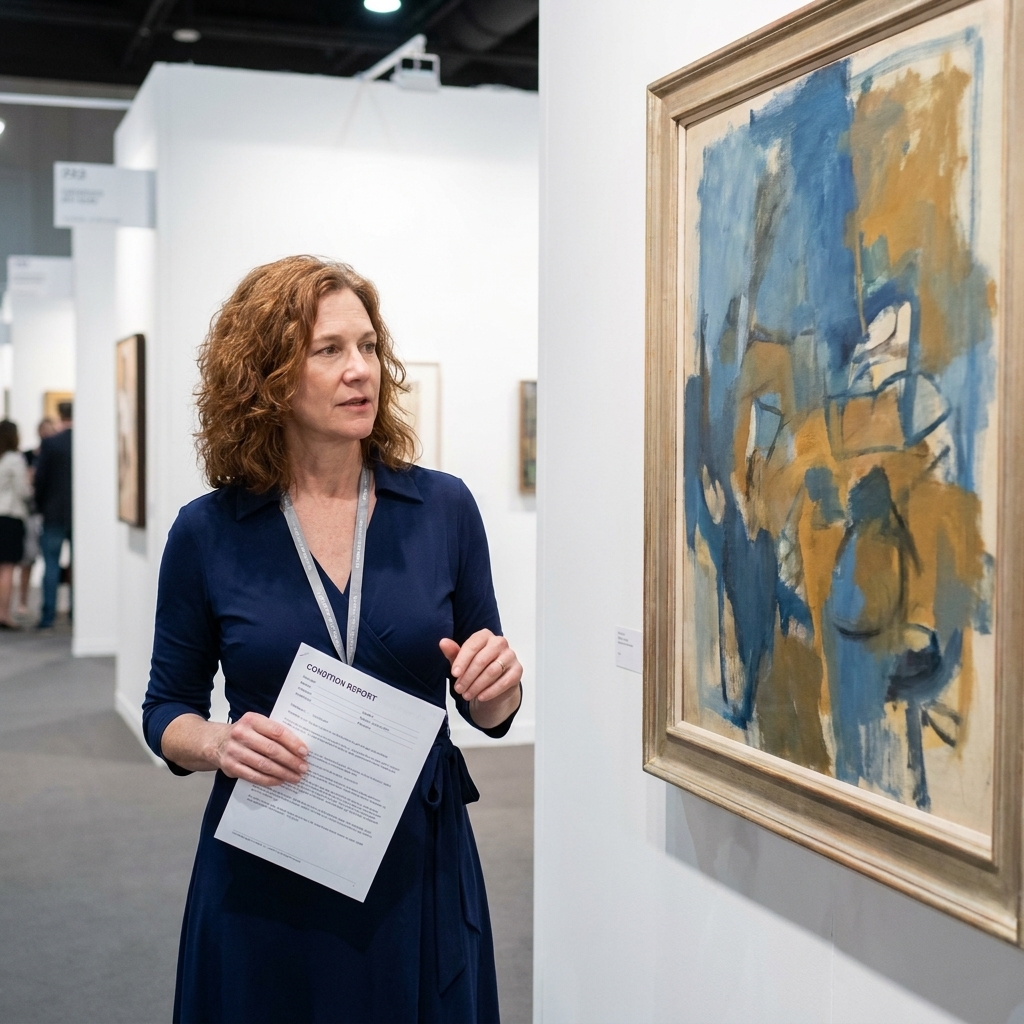
- Is there a condition report, and who authored it?
- Is it recent, or should it be updated before shipment?
- Can you share provenance information, even if it is partial?
- Has the work been exhibited or published?
- Is there a certificate of authenticity or studio documentation, and what exactly does it cover?
- What is the return policy, and what happens if the work arrives with damage?
When you are spending serious money, asking for details is not distrust. It is stewardship.
Primary vs secondary, in plain language
Primary market means you are buying from the gallery that represents the artist (or directly from the artist). Prices can be less volatile than resale pricing, though demand can still move them quickly.
Secondary market means resale. Pricing is tied to recent comparable sales, rarity, and condition. Documentation becomes even more important.
Talking to gallerists
Gallery directors are not bouncers at a velvet rope. They are advocates for artists and caretakers of inventory, and they also happen to be very busy during fairs. The best conversations are clear, brief, and respectful.
Open with curiosity, not credentials
- “Can you tell me about this work and where it sits in the artist’s practice?”
- “Is this piece available, and is it on hold for anyone?”
- “What else by this artist are you showing or placing right now?”
Be honest about where you are
If you are early in collecting, you do not need to pretend otherwise. A thoughtful new collector is more appealing than a bluffer.
- “I’m building a small collection and trying to understand this artist’s materials and longevity.”
- “I’m interested, but I want to sleep on it and confirm measurements. Can we discuss a short hold?”
Avoid classic potholes
- Do not: “What’s your best price?” as your first line.
- Do not: insult the work to negotiate. Art is personal, and you are talking to someone who cares.
- Do: ask specific questions that signal seriousness.
Pricing and negotiation
Negotiation in the art world is less like haggling at a flea market and more like a conversation about terms. The goal is a purchase that feels fair to you and respectful to the gallery and artist.
First: ask what the price includes
- Is tax included or additional?
- Is domestic or international shipping included?
- Does the piece come framed? If yes, what kind of glazing and materials?
- Is installation included for large or complex work?
When discounts are possible (and when they are not)
Discounts vary widely. On emerging artists, prices may be firm, especially on primary market works where fairness across collectors matters.
That said, galleries sometimes have flexibility, particularly when:
- You are purchasing multiple works.
- You have an established relationship with the gallery.
- The work is secondary market, or the gallery has higher carrying costs.
- You are flexible on logistics, such as delayed shipping.
How to negotiate with grace
Try language like:
- “If I commit today, is there any flexibility on price or shipping?”
- “Could we discuss a payment plan, or would a wire today help on terms?”
- “I’m choosing between two works. If we could land at X inclusive of shipping, I’m ready to proceed.”
Notice the structure: you are offering clarity and immediacy, not just asking for a lower number.
Holds, deposits, and soft commitments
A hold is common at many fairs. Timing varies by demand, but it is often same-day to 24 hours.
- Short hold: Often a few hours to the end of day.
- Longer hold: Sometimes possible with a deposit or a clear written plan.
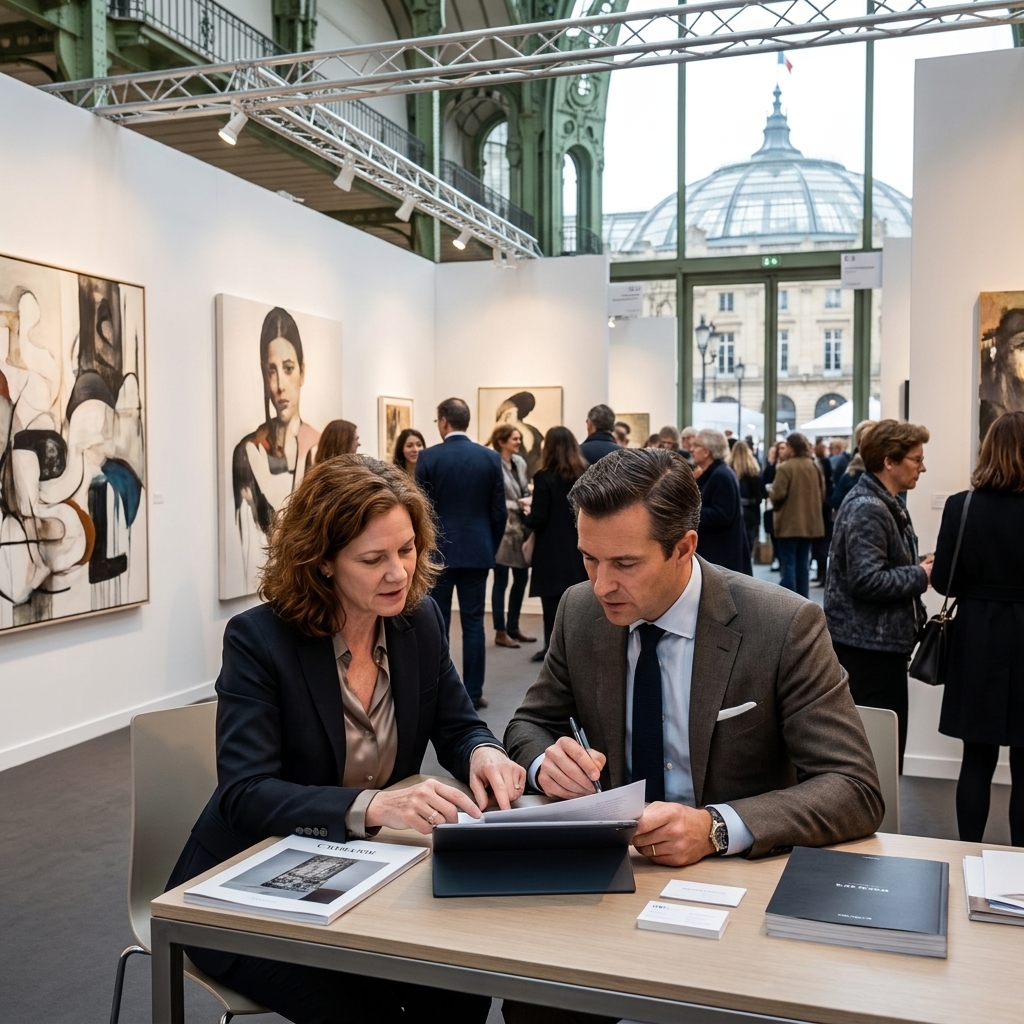
- Written confirmation: Ask for terms by email, including expiry, payment deadlines, and what happens if you decide not to proceed.
Red flags and green flags
Green flags
- The gallery answers questions clearly and promptly.
- They can provide condition information and provenance context.
- They discuss the artist’s practice beyond buzzwords.
- They put terms in writing, including shipping and insurance.
Red flags
- Pressure tactics that make you feel panicked or ashamed.
- Vague answers about edition size, authenticity, or condition.
- Refusal to provide basic documentation or to confirm details by email.
- Pricing that changes dramatically depending on who is asking, with no explanation.
After the purchase: protect the work
The most heartbreaking collector story is not “I overpaid.” It is “It arrived damaged,” or “I stored it wrong,” or “I never insured it because I was too busy celebrating.”
Get the essentials in writing
- Invoice with full details: artist, title, year, medium, dimensions, edition number if applicable.
- Shipping quote and timeline, including who is responsible for insurance in transit.
- Return policy and any contingencies.
Shipping and import basics
For higher-value work, ask whether the gallery uses a specialized fine art shipper (rather than standard courier), and request packing details. If you are buying internationally, confirm who pays VAT, import duties, customs brokerage fees, and any local taxes, and when they are due. For certain materials, ask early about restrictions (for example CITES-related materials) so your artwork does not get stuck in a warehouse.
Payment mechanics
At international fairs, payment method can affect timing. Ask whether the gallery accepts wire, card, or bank transfer, whether funds must clear before release, and what currency the invoice will be issued in. If you are wiring, confirm bank details via a trusted channel to avoid fraud.
Insurance and appraisal basics
If you already have a collection, talk to your insurer about scheduling the new work. If you are building from scratch, ask your broker about fine art coverage. For some purchases, an independent appraisal can be useful later, especially for estate planning or lending.
Installation and care
- Keep works on paper out of direct sunlight.
- Avoid hanging above heat sources or in humid bathrooms.
- For heavier works, hire a professional installer. Your drywall does not share your ambitions.
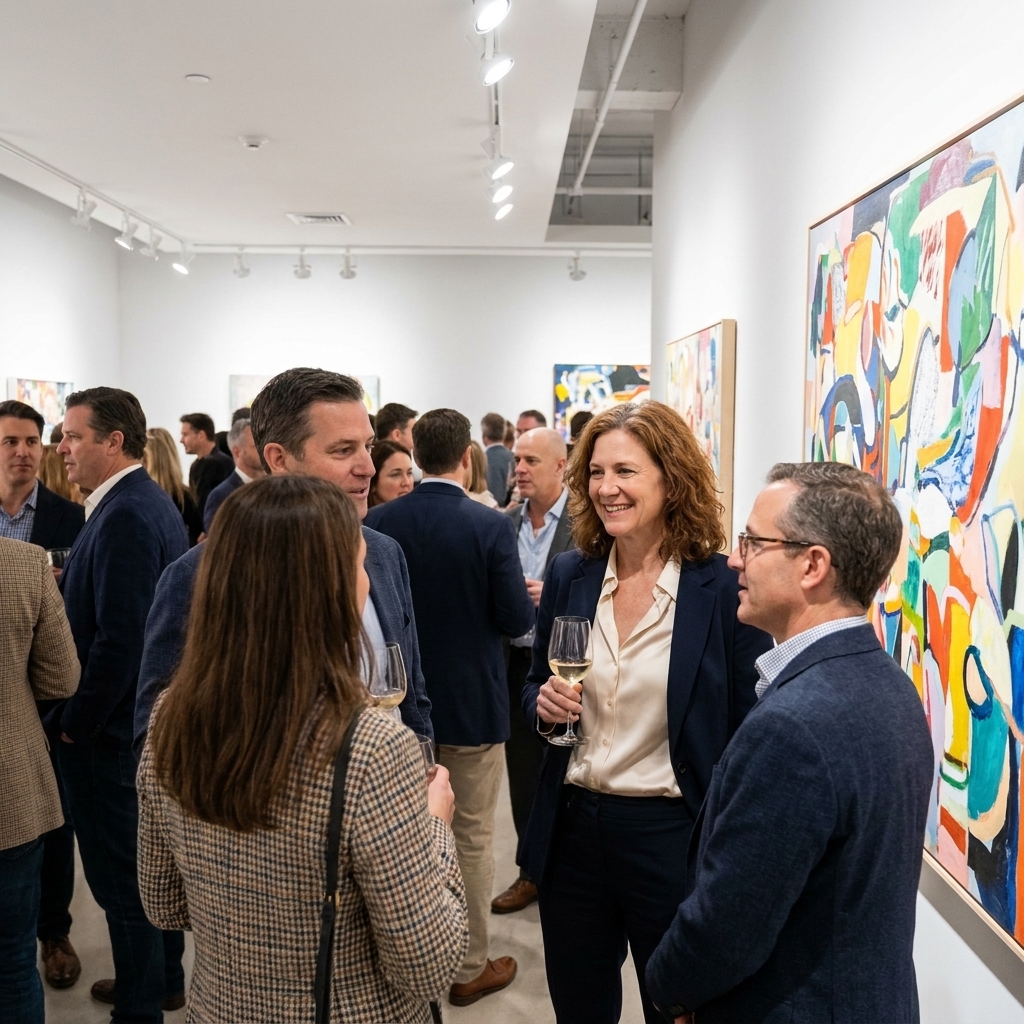
Gallery openings: the quieter superpower
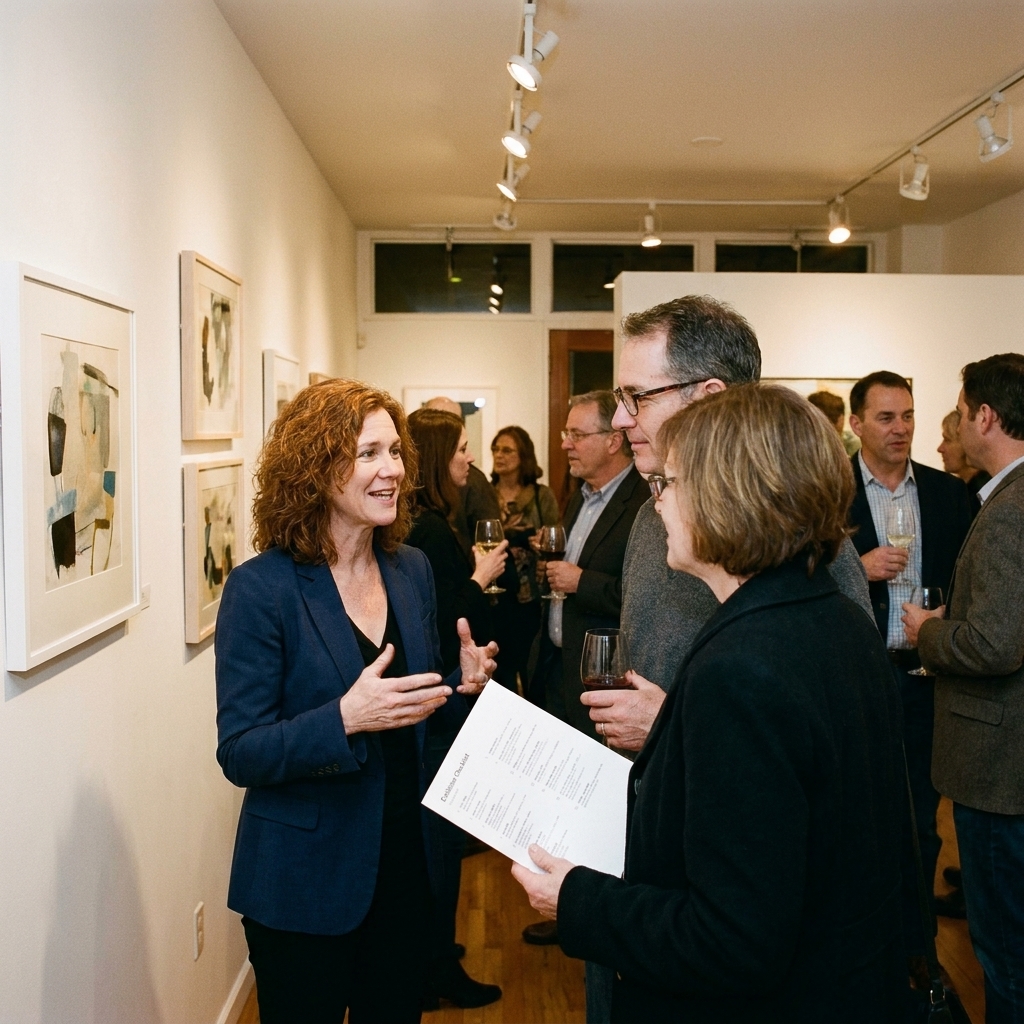
Art fairs are intense. Openings, by contrast, can be more relational. If fairs are speed dating, openings are a long dinner with a good playlist.
Arrive early, look first
The room fills fast. Give yourself 15 minutes to actually see the work before you are pulled into conversation.
Ask for the checklist
A checklist is a simple document with titles, mediums, sizes, and prices. It is not greedy to request it. It is practical .
Follow up within 48 hours
If you love something, email promptly and politely. Include the artist and the specific work, plus any questions you have about condition, framing, or availability.

Collector’s quick script
- “Can you tell me about this piece and what year it was made?”
- “Is there a condition report, and is it recent?”
- “Is this primary market, and is the artist’s pricing consistent across the series or edition?”
- “What are the terms on a short hold while I confirm measurements?”
- “If I move forward today, can we discuss flexibility on shipping or price?”
FAQ
How do I know if an artwork is worth it at a fair?
Start with whether you truly want to live with it, then confirm the practicals: documentation, condition, edition details if applicable, and price in relation to recent comparable works. If any of those are unclear, slow down.
Is it rude to take photos of artworks?
It depends on the fair, the gallery, and the artist. Always ask. If photos are allowed, photograph the label too, or at least capture the artist and title accurately in your notes.
Should I buy on the first day?
If you have done your research and the work checks out, yes, sometimes. For in-demand artists, waiting can mean losing the piece. For everything else, a short hold and a second viewing can save you from an expensive impulse.
Can I negotiate at a gallery opening?
Yes, but gently. Openings are celebratory, so keep negotiations discreet and direct, ideally via follow-up email or a quieter conversation.
A final reminder
The best collections are not built by panic. They are built by attention, by patience, and by the courage to ask simple questions out loud. Walk slowly when you need to. Drink water. Let the work speak. When it does, you will know, not because the room told you so, but because you can already picture the piece at home, changing the light in your day .