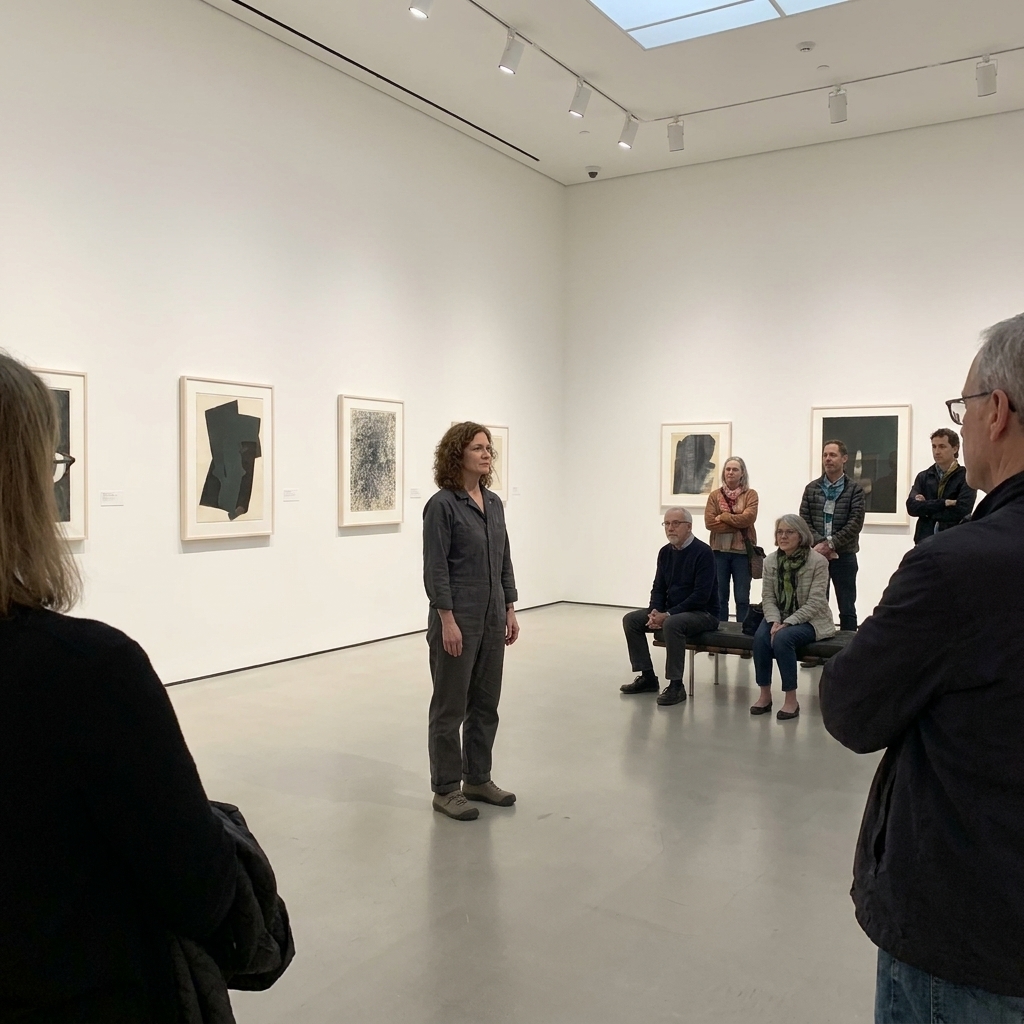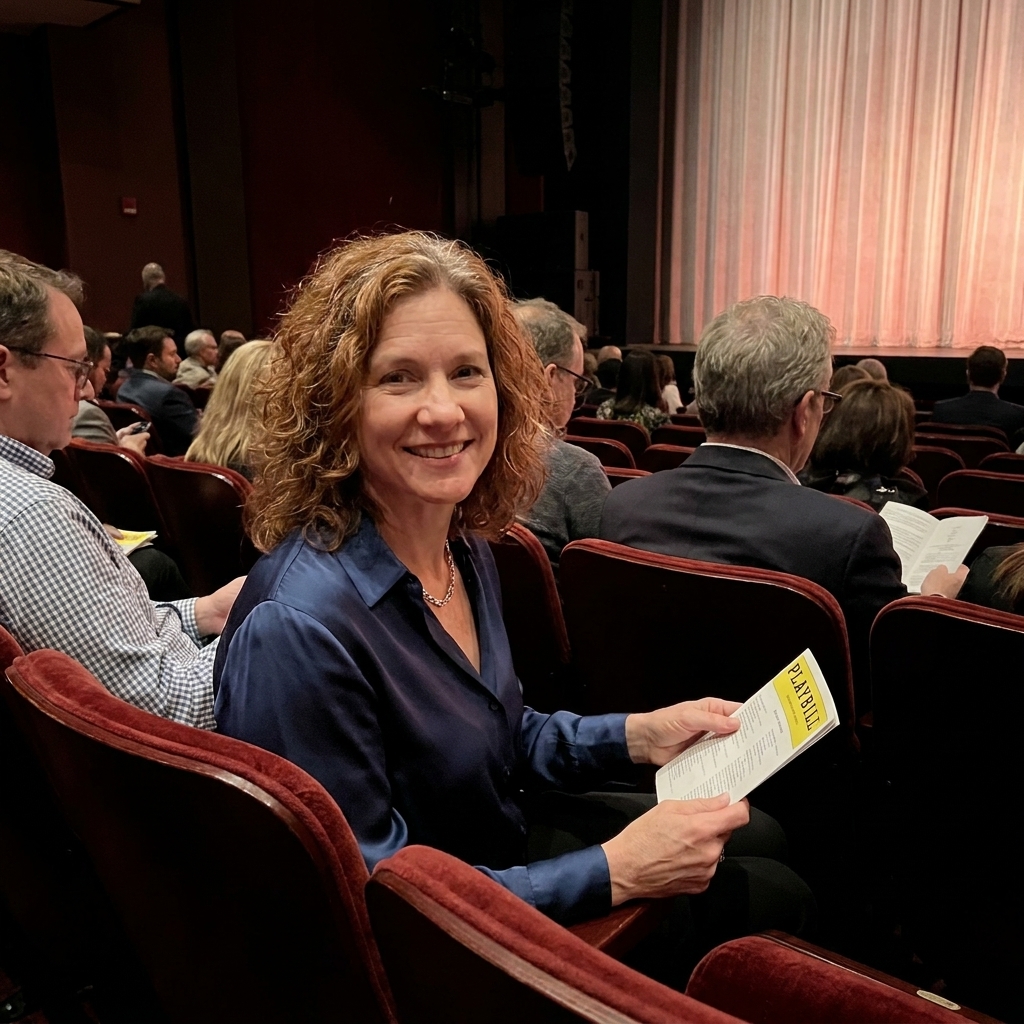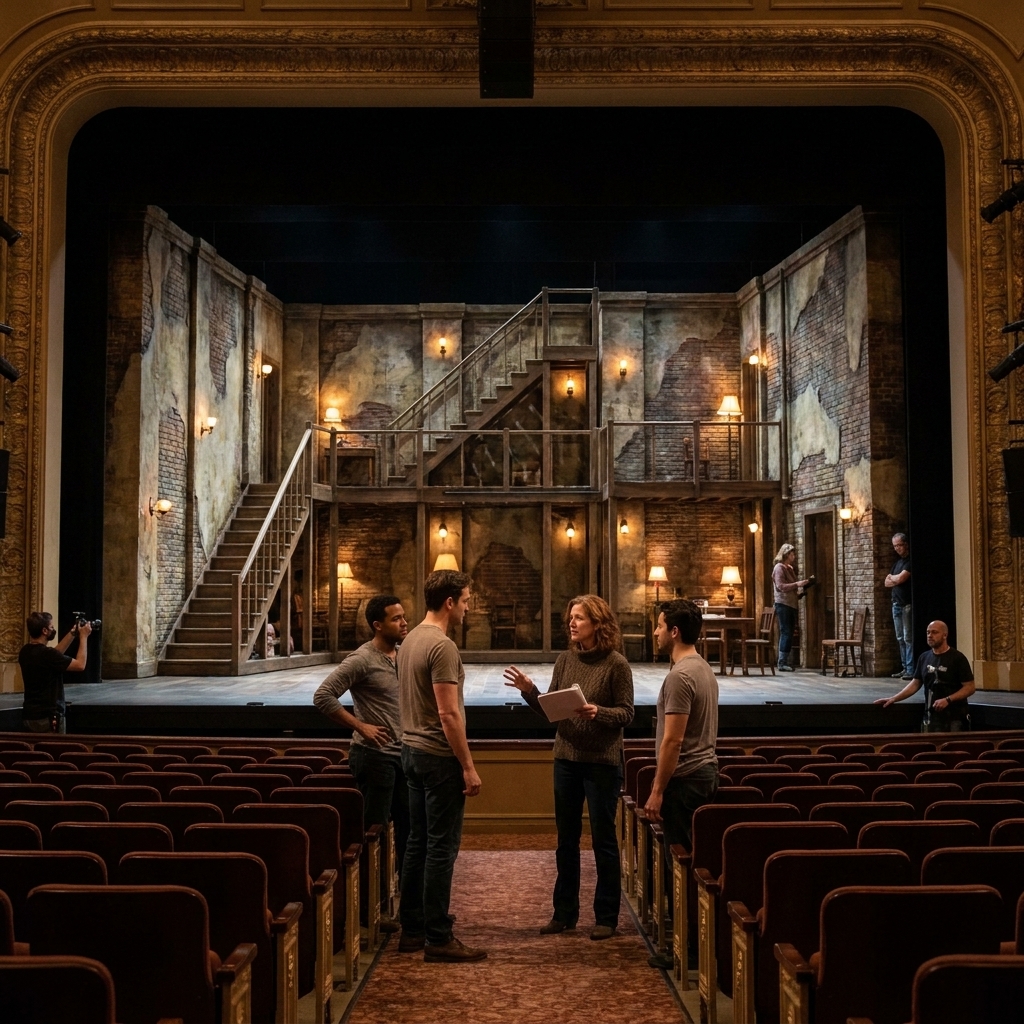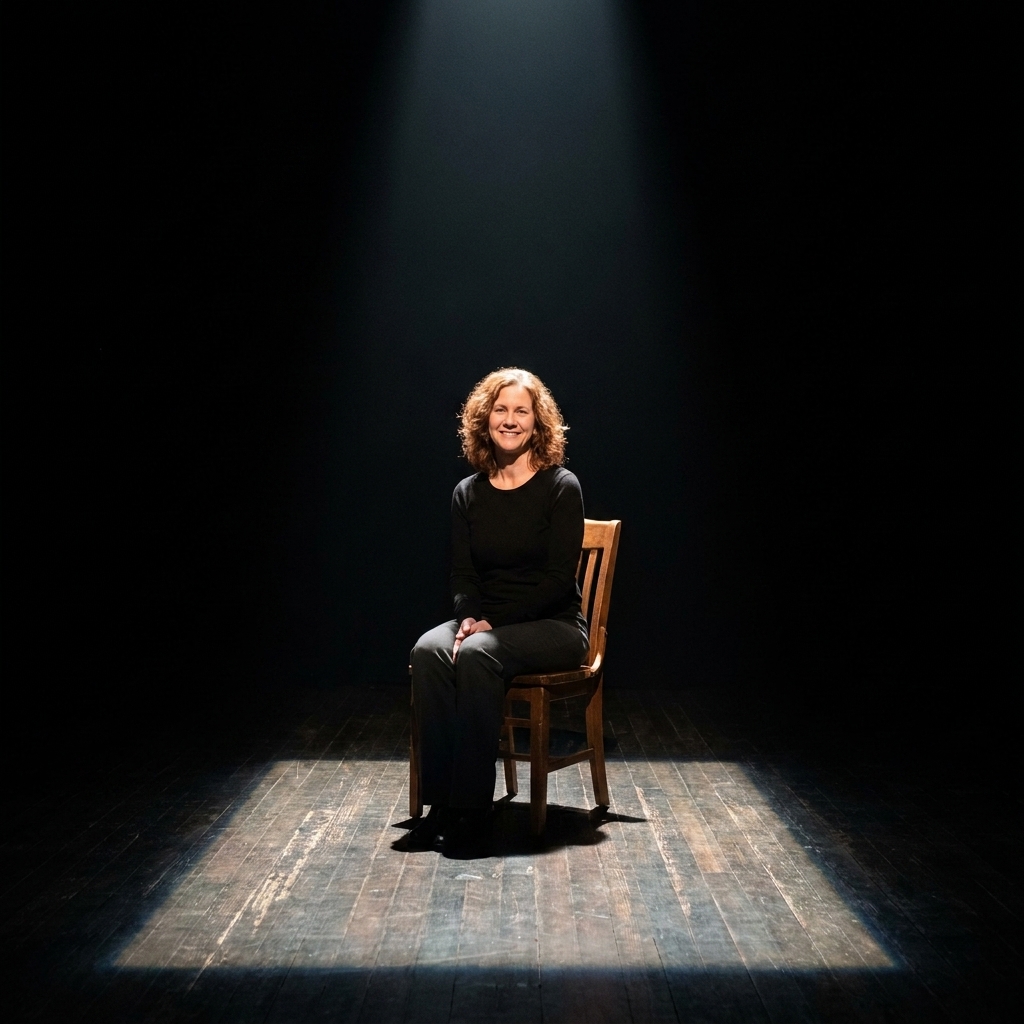
There is a moment I have learned to watch for, both in black box theaters and spotless museum galleries: the moment an experiment starts to look… comfortable. The audience relaxes. The staff stops hovering like a worried parent. The work starts getting described with tidy words like “immersive” and “boundary-pushing,” as if we can hang it neatly on a hook and go to dinner afterward.
That is usually when the real question arrives: when we say “avant-garde” versus “mainstream,” are we talking about aesthetics, or are we really talking about power? Money? Access? Who gets to feel safe?
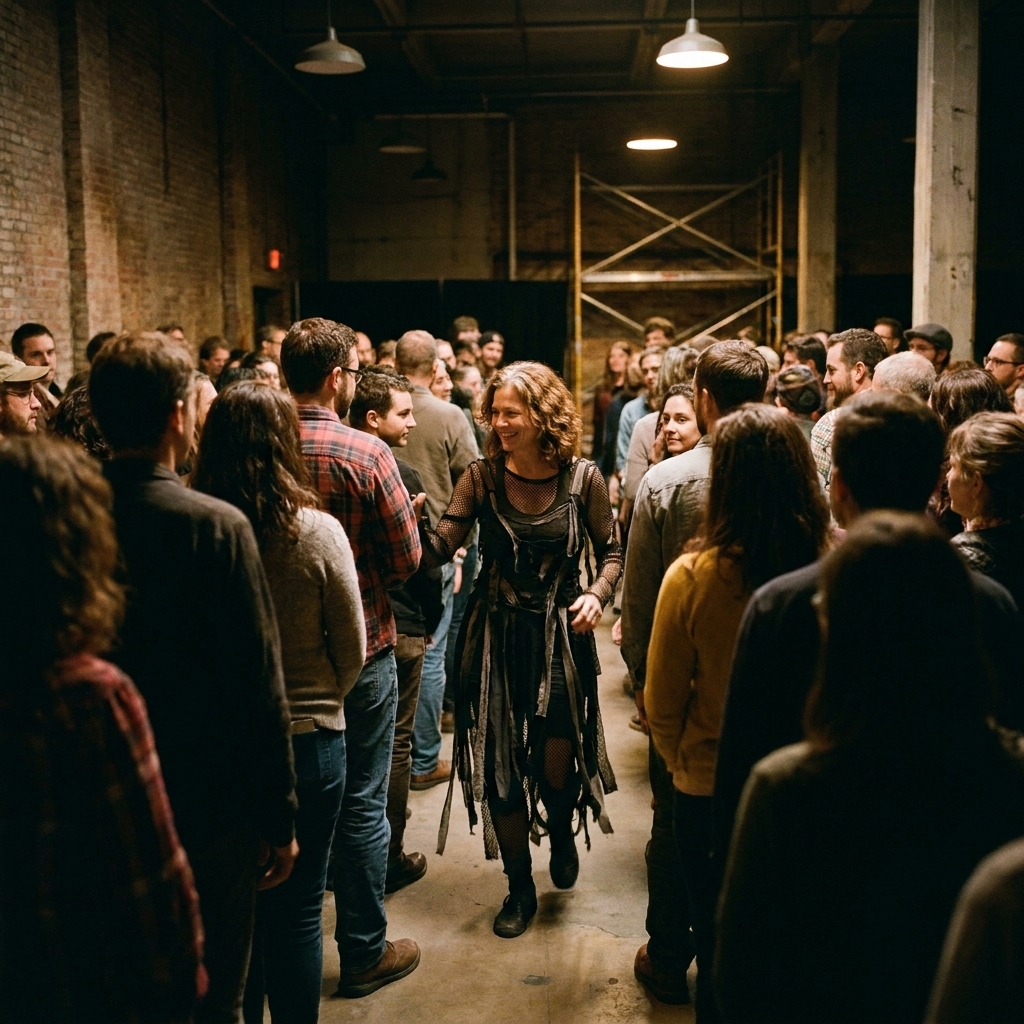
Performance art and theater have long traded clothes in the hallway. Sometimes performance art borrows theater’s spotlight and structure. Sometimes theater steals performance art’s raw nerve. The line between them is not a border on a map. It is more like a shoreline that keeps changing depending on the tide of funding, institutions, and attention.
What is performance art?
In everyday conversation, “performance art” often becomes a catch-all for anything live that feels unusual. But historically, performance art has often grown in part as a refusal of the usual theater contract, and in part from visual art lineages that treated the event itself as the work: the body as material, time as a medium, the audience as witness or participant, and the outcome as something that cannot be fully repeated.
Traditional theater tends to offer a clear arrangement: you sit, we perform, you interpret. Performance art, especially in many postwar and late-20th-century lineages, has been more willing to ask, “What is the arrangement itself?”
That does not mean performance art is always improvised, messy, or anti-skill. It means the point is often the framework, the risk, the friction. Sometimes the friction is emotional. Sometimes it is political. Sometimes it is simply the discomfort of not knowing what you are supposed to do with your hands.
Theater and performance art
Plenty of artists live in the overlap. Experimental theater makers build durational, installation-like worlds. Performance artists use theatrical lighting, pacing, and character. The distinction is less about “seriousness” and more about what is being tested: story, spectatorship, the art market, the institution, the audience’s consent, the limits of the body.
Where is the line?
We love to pretend the line is about taste. That the avant-garde is “hard” and the mainstream is “easy.” In reality, the line is often drawn by distribution and infrastructure, even though aesthetics, training traditions, and genre expectations can draw boundaries too.
- Avant-garde tends to live where risk is structurally allowed: smaller venues, grant cycles, alternative spaces, artist-run series, or institutions willing to absorb controversy.
- Mainstream tends to live where risk is structurally managed: subscription audiences, investor expectations, brand partnerships, tourist economies, and marketing departments that need the work to be legible in a single sentence.
That does not mean the mainstream cannot be daring. It means the daring often has to be insured. Literally and figuratively.
Markers I watch for
If you want a non-snobby way to sense the shift, here are a few clues that an experimental form is transitioning into “mainstream theater” territory:
- The audience promise becomes clearer. The show starts advertising what you will “get”: catharsis, thrills, inspiration, a perfect night out.
- The discomfort is curated. You still feel challenged, but within a carefully padded perimeter. A participatory moment that used to be uncertain becomes opt-in with wristbands, a consent briefing, or a clearly marked exit route. Often this is good. It is also telling.
- The work becomes repeatable at scale. Longer runs, touring-friendly builds, standardized audience flow, consistent timing. Timed entry slots replace wandering. The bar opens at intermission because the schedule must hold.
- The story of the work becomes part of the product. “You have to see the show everyone is talking about” becomes a feature, not a side effect.
What commercialization changes
Commercialization is not just a villain twirling a mustache. It can look like a bigger budget. Better pay. Safer working conditions. Accessibility support. More rehearsals. More chances for an artist to keep making.
But money comes with gravity. It pulls the work toward certain shapes.
1) From provocation to packaging
Avant-garde work often begins as a question. Mainstream-facing work often needs to become an offering. The question is still there, but it is wrapped in a promise that the audience can hold without cutting themselves.
Think of how quickly a radical gesture turns into a recognizable aesthetic. What was once disorienting becomes a vibe. The marketing language smooths the splinters.
2) From ambiguity to legibility
Ambiguity is expensive. Not in dollars, necessarily, but in audience confidence and marketing risk. When a production has to sell thousands of tickets, it tends to fear the phrase “I didn’t get it.”
So the work often tilts toward clearer narrative, clearer emotional beats, and clearer meaning. Sometimes that clarity is a gift. Sometimes it is a loss.
3) From risk to managed edge
Many large institutions now want the aura of the avant-garde without the operational headaches. They want the electric feeling of unpredictability, but they also want consistent showtimes and minimal complaints.
That creates a familiar compromise: the work keeps its surface transgression, but it avoids the kinds of risk that produce real institutional consequences. Edge becomes a design choice.
When the mainstream borrows
Here is where I get tender, because I have lived on both sides of the proscenium.
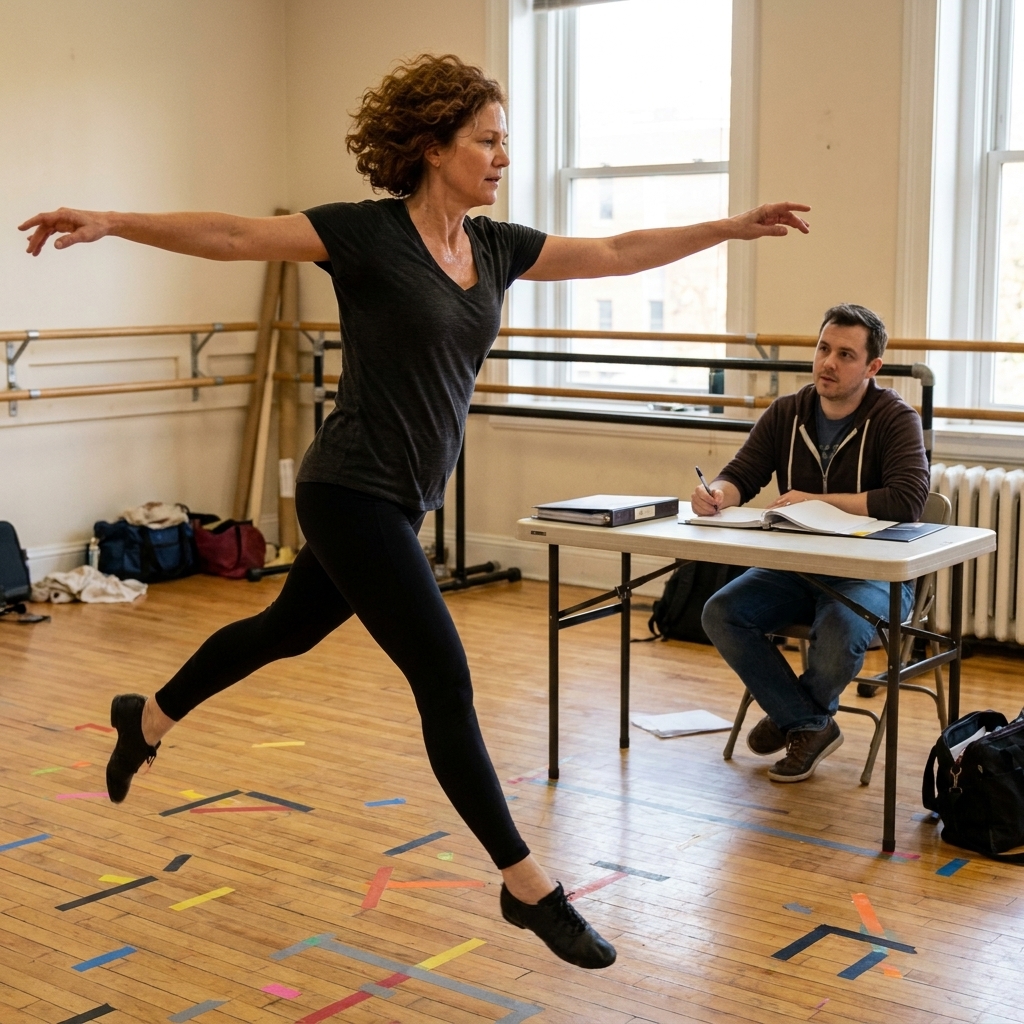
Mainstream theater has always borrowed from the avant-garde. Sometimes it is a genuine translation: taking a form that once belonged to a small circle and offering it to more people. Sometimes it is extraction: taking the aesthetic without the politics, the context, or the credit.
Questions to ask
- Who is being credited? Are the lineages acknowledged, or does the institution present the form as a brand-new innovation?
- Who is being paid, and how? Are performers compensated for risk, labor, and expertise, especially in participatory or durational formats?
- Who is being protected? Are there clear consent practices for audience interaction? Are there safety protocols for bodies pushed to extremes?
- Who gets access? Are there affordable tickets, community nights, or truly accessible venues, or is “radical art” now a luxury product?
If those questions make you squirm, good. That squirm is where the real boundary lives.
What audiences change
We talk about commercialization as if it only happens from the top down. But audiences shape the line, too. Our attention is a kind of currency.
When an experimental form goes mainstream, the audience often arrives with different expectations. They may want clearer cues, more comfort, more certainty that their participation will not make them look foolish. The work can respond by becoming more guided, more scripted, more polite.
But there is another possibility: a mainstream audience can be expanded into new ways of seeing. A big house can learn new etiquette. Not “which fork to use,” but how to sit with ambiguity without panicking.
Access is not the enemy
I want to say this plainly: making work accessible does not automatically make it mainstream. Clear access information, sensory considerations, relaxed performances, captions, ramps, and fair pricing are not aesthetic compromises. They are ethical ones.
The real danger is when “accessibility” becomes shorthand for “we sanded down the work until nothing sharp remains.” Access should widen the door, not drain the room of oxygen.
Nonprofit and commercial
One more complication: “mainstream” is not a single machine. There is the nonprofit, institutional mainstream (major repertory theaters, festivals, museums) and there is the fully commercial mainstream (Broadway/West End models, investor-backed runs, entertainment brands). Both can be artistically ambitious. Both have pressures. They just come from different directions.
The nonprofit institution often answers to donors, boards, reputations, and civic narratives about what art should be. The commercial institution often answers to capitalization, recoupment, and volume. Either way, risk gets negotiated, and that negotiation leaves fingerprints on the work.
Beyond one map
It is also worth admitting that “avant-garde” and “mainstream” travel unevenly across borders. In some places, what looks “experimental” in a Western art context may be rooted in long-standing local performance traditions. In others, the most daring work is happening outside the museum-theater axis entirely, in community ritual, street performance, club scenes, or politically charged gatherings that do not want the label “art” at all.
So when I use these terms, I am naming a set of pressures more than a universal hierarchy. The shoreline shifts. The ocean is not the same everywhere.
Case patterns
You can see this transition pattern across decades, even if the costumes change.
Immersive experiences
Immersive performance began as a genuine rethinking of spectatorship. You were not just watching. You were navigating. The architecture mattered. Your body mattered.
As immersive work entered the mainstream, it often became more like a theme-park contract: follow the rules, hit the photo-worthy moments, feel “transported.” Sometimes that is delightful. Sometimes it turns the audience into well-behaved consumers of wonder.
Durational work
Long-form, endurance-based performance asks: what happens when time stops being a neat container? When the body becomes both instrument and evidence?
Mainstream spaces may adopt duration as an aesthetic signifier, but compress it into something schedule-friendly. A six-hour vigil becomes a ninety-minute “experience” with a fixed start time and a bar line. Again, not always bad, but it changes the meaning.
Shock and transgression
Transgressive art has a shelf life once it becomes predictable. When a shocking element is expected, it stops being a rupture and becomes a genre beat.
The avant-garde is not “the place where people are naked,” or where somebody screams, or where the lights strobe. Those are surface gestures. The deeper rupture is when a work changes the terms of attention, consent, or value.
My working definition
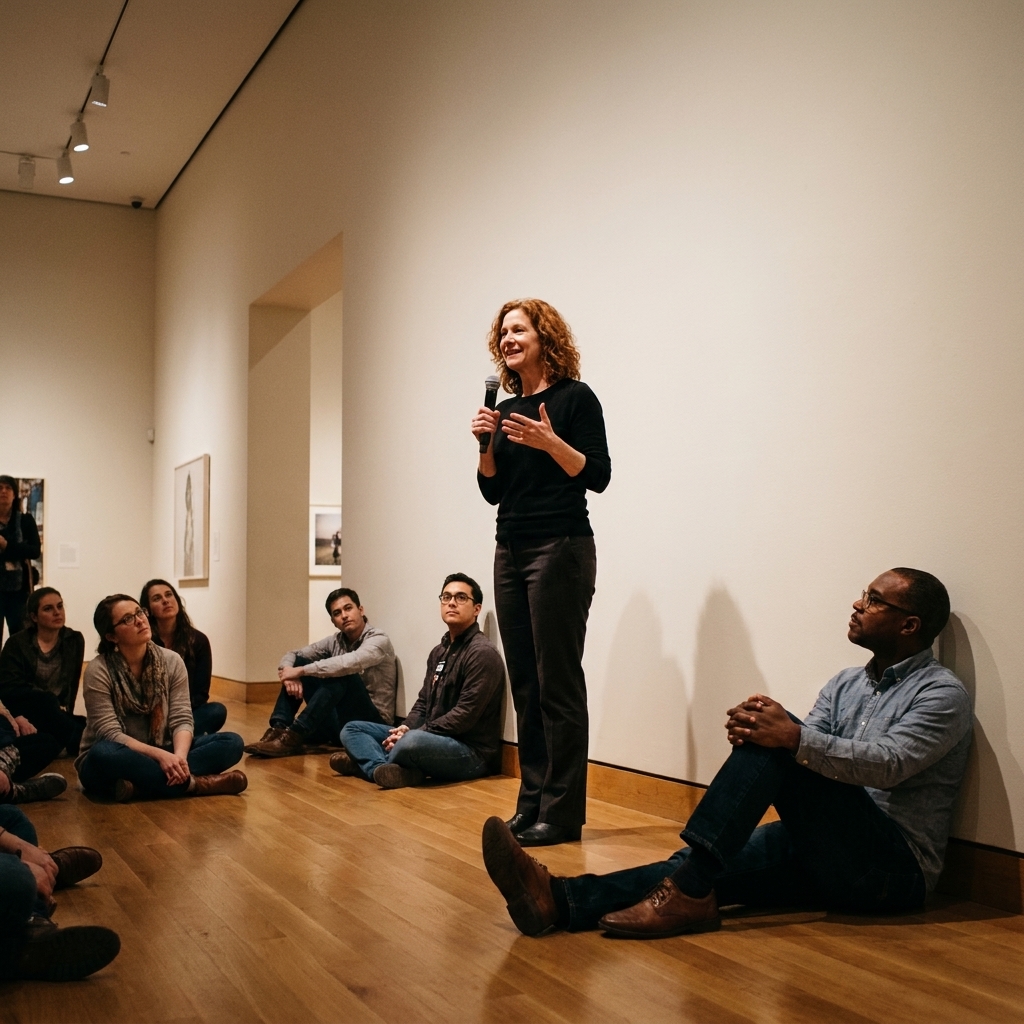
If you are hoping for a clean border, I am going to disappoint you gently. The line is not fixed because the avant-garde is not a style. It is a position.
Here is the definition I carry around like a small stone in my pocket:
The avant-garde is work that puts something real at stake in how it is made, shown, and received. The mainstream is work designed to be reliably received, even when it gestures toward risk.
Notice what is absent there: “quality.” Some avant-garde work is mediocre. Some mainstream work is astonishing. The line is about the conditions that shape the work, and what the work can afford to do.
How to watch well
If you want to engage this debate without turning it into a purity contest, try these approaches:
- Separate form from function. Ask what the work is doing, not just how it looks.
- Follow the money without cynicism. Funding can be enabling. It can also be steering. Both can be true.
- Notice what gets rehearsed. In experimental spaces, uncertainty is sometimes part of the craft. In mainstream spaces, uncertainty is often treated as a problem to solve.
- Reward integrity, not just novelty. “New” is not the same as “necessary.”
And if you are an audience member who occasionally worries, “Am I smart enough for this?” I promise you: that anxiety is not a prerequisite for good taste. It is usually a sign that the room has not done enough to welcome you.
FAQ
Does avant-garde art always become mainstream?
No. Some work stays intentionally small, local, and resistant to scale. Some disappears because it was built for a specific moment. Some becomes influential without becoming popular. And some goes mainstream and becomes something else entirely, for better or worse.
Is mainstream theater automatically commercial?
Not always. “Mainstream” can describe aesthetics and audience reach as much as money. But mainstream institutions usually have structural pressures that resemble commercial pressures: protecting reputation, filling seats, keeping donors happy, avoiding risk that scares subscribers.
When an experimental piece gets popular, does it lose meaning?
Popularity changes meaning, but it does not automatically erase it. Sometimes a work gains power when more people share the language for it. The question is whether the work can keep its stakes intact as it travels.
How can I support experimental performance without feeling intimidated?
Go with a curious friend. Read a short program note, then let yourself watch without “solving” it. If participation is involved, look for clear consent cues. And if a venue makes you feel unwelcome for not already knowing the rules, that is a venue problem, not a you problem.
Where I land
I do not want the avant-garde locked in a basement, preserved like a rare wine only a few people get to taste. And I do not want the mainstream to be a machine that turns every risky idea into a souvenir.
The healthiest ecosystem is one where experimental artists can be paid and protected, where institutions can take genuine risks, and where audiences are trusted enough to sit with uncertainty. The line, for me, is not drawn at popularity. It is drawn at whether the work is still allowed to be honest, complicated, and a little dangerous in the ways that matter.
If you leave a performance feeling slightly re-tuned, like your senses have been adjusted by a careful hand, that is often the avant-garde doing its quiet work. And if you leave feeling thrilled, moved, and newly open, that can be the mainstream at its best. The tragedy is not that the line blurs. The tragedy is when we stop noticing what gets lost in the blur.