The first time I realized how much power a critic can hold , I was standing in the back of a small black box theater, headset on, watching an audience shift in their seats as if the air had changed. The production was daring, messy, and honestly a little electrifying. Then the reviews hit. In my experience, the conversation can narrow fast, from “Did you feel that?” to “Is it good?” And yes, ticket demand can surge or soften when a few published opinions land at the right moment, especially in smaller scenes where word travels in tight loops.
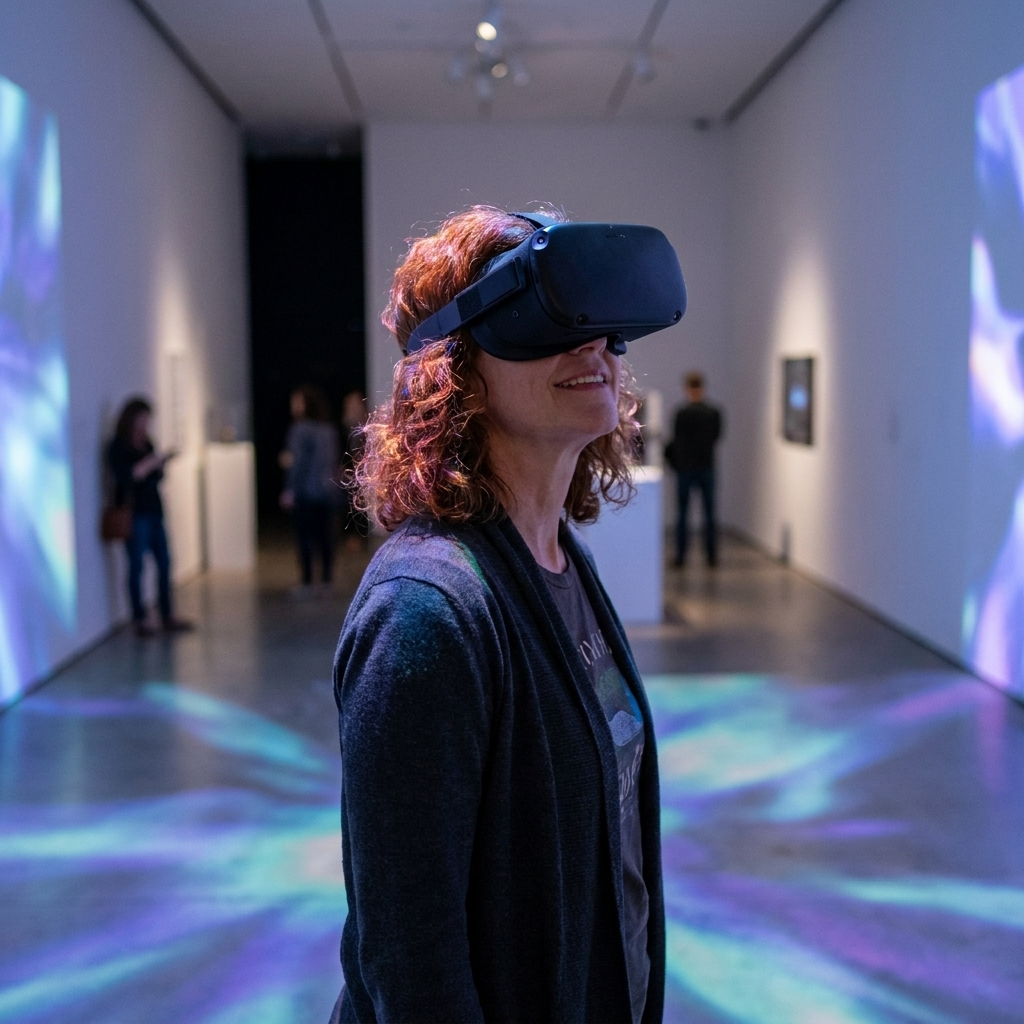
Fast forward to now, and the room is bigger. It is TikTok and Instagram, plus Discord servers, group chats, Substack essays, and museum-goers posting their own mini-reviews from the gallery bench. It is exhilarating, and it is chaotic. Which raises the question that keeps getting asked, sometimes with a sigh and sometimes with glee: do modern art critics still decide what counts as high culture today?
What high culture means now
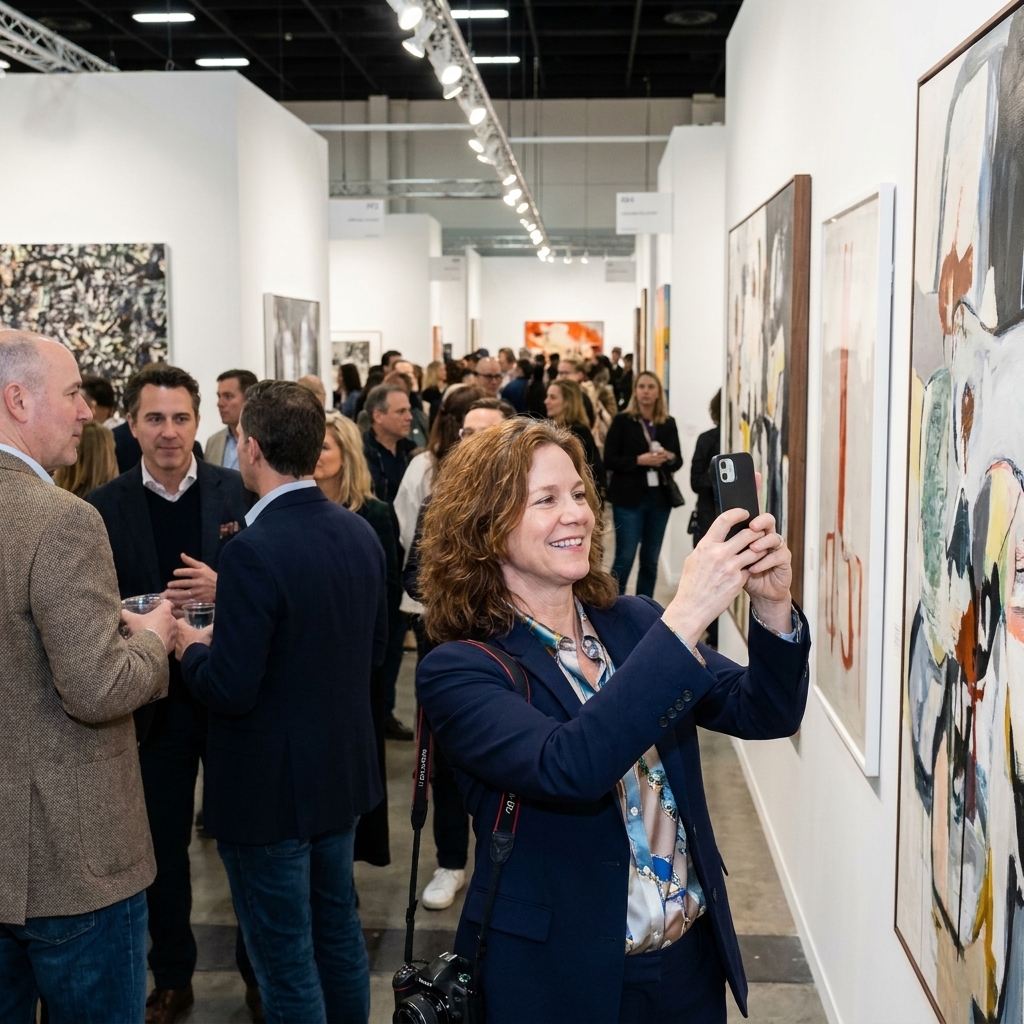
Let’s start by admitting that “high culture” is a slippery phrase. Historically, it has meant the arts that institutions protect and prestige rewards: oil paintings behind velvet ropes, symphonies in formal halls, canonical novels in syllabi, experimental theater that somehow gets a grant.
But culture is not a fixed shelf. It is a moving river. What we call “high” has often been decided by gatekeeping systems: wealth, education, geography, and access to institutions that can preserve, promote, and legitimize.
Today, that legitimacy can arrive through other routes. A painter can build a following online without a blue-chip gallery. A performance artist can go viral from a single clip. A museum can be pressured into paying attention because audiences already are. The definition of “high culture” has started to look less like a ladder and more like a crowded intersection. And the old border between “high” and “popular” feels thinner than it used to. Sometimes it is barely there at all.
The critic’s old job
In the classic model, a critic did three things.
- Describe: Tell you what happened or what you are looking at, especially if you were not there.
- Interpret: Offer context, references, and possible meanings, without pretending there is only one right answer.
- Judge: Make an argument for why the work succeeds or fails on its own terms, and why it matters.
That last part is the one that makes people bristle. Judgment can feel like a velvet rope. But at its best, critical judgment is not a decree. It is a public, accountable argument. The critic says: here is what I saw, here is how I’m reading it, here is the standard I’m using, and here is why you might care.
What changed
We used to have fewer megaphones. Newspapers, magazines, a handful of TV programs, and the institutional press release. Now we have a thousand signals a day. Attention is dispersed, but it is also more easily captured, especially by images that read quickly on a small screen.
The algorithm is not a curator
Algorithms do not have taste. They have incentives. They reward what keeps you watching, clicking, sharing, saving, or coming back, depending on the platform and what it is optimizing for that week: watch time, completion rate, shares, comments, even the quiet metric of whether you linger.
That can elevate genuinely interesting work, and it can also flatten complexity into what photographs well or feels instantly legible.
So yes, the power to shape “what counts” has shifted. But it did not disappear. It migrated. It is now shared among platforms, creators, institutions trying to keep up, and audiences forming micro-canons in real time.
Influencers sped things up
Professional criticism often arrives after time has passed: a considered review, a longer essay, a historical placement. Social media is immediate. It gives us live reactions, which can be joyful and communal, but also quick to crown and quick to condemn.
When pace speeds up, nuance is the first casualty.
Who decides now
The honest answer is: many people decide, in different ways, at different stages. “High culture” is no longer chosen at a single table. It is assembled through overlapping systems of attention and authority.
1) Institutions keep work legible
Museums, major galleries, biennials, foundations, and university collections still matter because they do something social media cannot reliably do: preserve work, fund it, archive it, and keep it available for future circulation. Acquisition budgets, curatorial themes, conservation decisions, and exhibition schedules shape the long game of cultural memory.
That said, “accessible” is not always the same as “available.” Geography matters. Ticket prices matter. And most museum collections live partly in storage. Preservation is real power, but it is not the same thing as open access.
One dynamic we have watched in real time is institutional programming responding to audience heat. A work or artist gets shared obsessively, and suddenly a museum talk, a late-night opening, or a fast-follow exhibition appears as both outreach and risk management: a way to meet a public that has already arrived.
2) Markets set prices
The art market can be loud, seductive, and frankly confusing. A high price signals demand, speculation, brand power, and scarcity. It does not automatically signal artistic importance. Sometimes the market aligns with lasting value. Sometimes it chases novelty with impressive enthusiasm.
If you want a clean example of how criticism, markets, and institutions braid together, you can look at the long afterlife of certain “breakthrough” reviews or profiles. A single piece does not create a career, but it can accelerate one by giving collectors, curators, and other writers a shared language to repeat.
3) Communities live with the work
Audiences are not passive. People build canons inside communities: queer performance circles, local printmakers, online cinephiles, fans of experimental sound. These spaces can spot brilliance early, especially when mainstream venues overlook it.
And when we jump across mediums, the mechanics change. Film, music, and books have faster release cycles, clearer distribution channels, and more immediate metrics, so reputations can consolidate quickly. Visual art often moves slower, more locally, and more privately, which makes community advocacy and sustained attention feel even more consequential.
4) Critics shape the story
Critics still help determine which works are framed as part of a larger conversation rather than isolated “content.” They connect dots across movements, mediums, and histories. They can argue for importance before an institution catches up. They can also be painfully late. But storytelling is power, and critics are storytellers with evidence.
Sometimes the evidence is simply time spent looking, plus the nerve to make a claim in public that others can test. That is how you get the slow-build reputations: the artist a few writers keep returning to until the rest of the culture finally notices.
What critics still do
I want to be careful here, because I genuinely love the democratization of art talk. Some of the most alive commentary I have read lately comes from artists, educators, and everyday museum-goers writing online with clarity and nerve. This is not “critics versus the people.” It is about different roles.
Standards and accountability
A professional critic is, ideally, edited. Copy-edited. Sometimes fact-checked, especially around names, dates, and claims. Bound by ethics policies. This is most consistently true at major publications and in established newsrooms, and less consistently true everywhere else. But the framework matters. When criticism becomes purely personal branding, the incentives can tilt toward access, sponsorship, and staying on the invite list.
Context without gatekeeping
Good criticism does not use history as a weapon. It uses it as a lantern. Context can expand your experience of a work rather than shrink it into a test you did not study for.
What a clip cannot hold
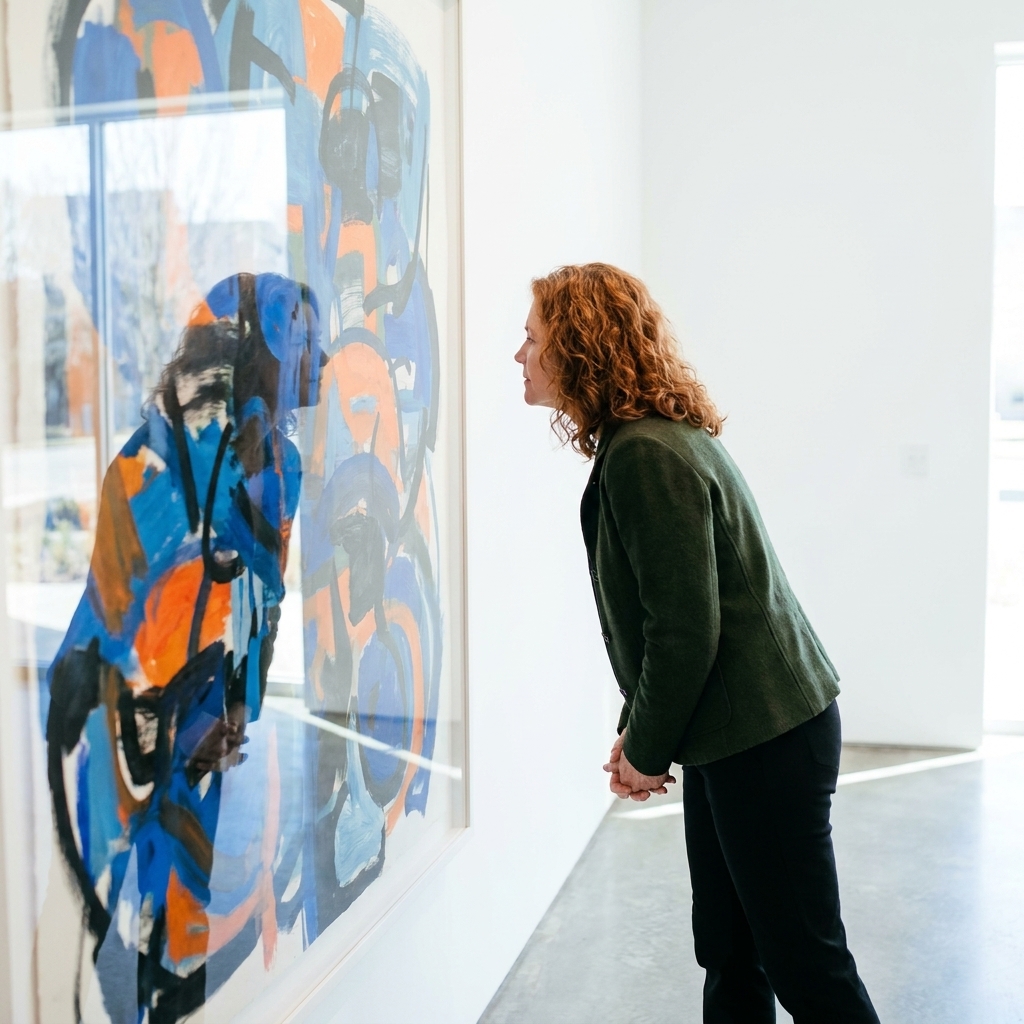
A fifteen-second video can show you the surface of a painting or the loudest moment of a performance. It cannot reproduce scale, duration, silence, or the strange intimacy of standing close enough to see an artist’s hesitation in a brushstroke. Critics, at their best, write from sustained attention.
Criticism is not about telling you what to like. It is about teaching the muscle of looking, and then using it in public.
The crisis is trust
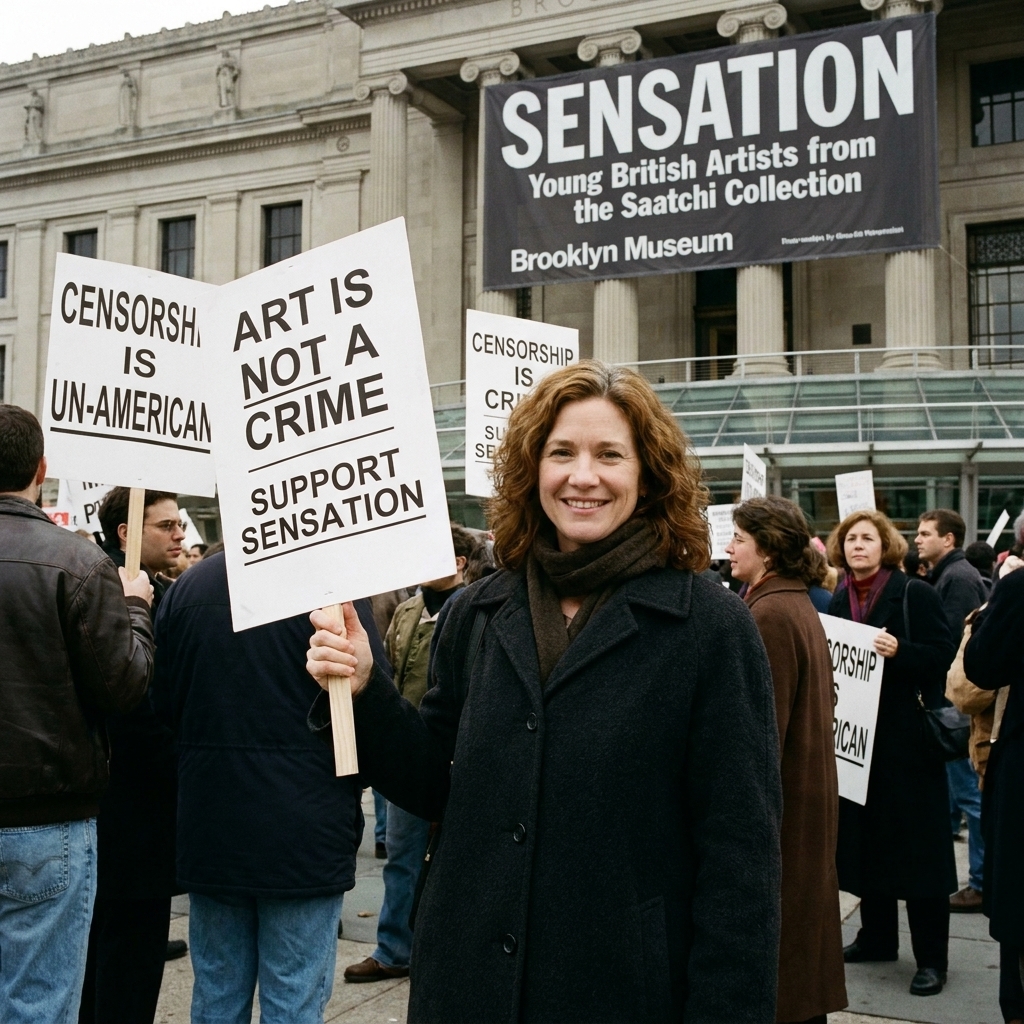
When people say critics are “irrelevant,” what they often mean is: I do not trust the old authority signals anymore. And honestly, that distrust has earned roots. There have been decades of exclusion, narrow canons, and a habit of confusing prestige with universality.
So the modern critic’s relevance depends on whether they can rebuild trust through transparency and care.
- Declare your vantage point. Are you writing as a historian, a practitioner, a local scene devotee, a first-time viewer?
- Separate taste from argument. “Not for me” is not the same as “not good,” and readers can feel the difference.
- Make room for multiple publics. A work can matter in one community differently than it matters in another. That is not a flaw. That is culture doing what it does.
Beyond one canon
There is also a global question hiding inside “high culture.” Whose institutions, whose prizes, whose press, whose passports? Biennials, international fairs, and English-language criticism can amplify artists across borders, but they can also flatten local contexts into a single exportable storyline.
What gets remembered internationally is often what can travel: physically, linguistically, financially. That does not make the work less real. It just means the map of “high culture” is still drawn with power, even when the drawing tools look more democratic.
A blended ecosystem
We are living in a hybrid model, and it is not going away.
A contemporary artist might first be championed by online communities, then picked up by a mid-level gallery, then reviewed by a critic, then acquired by a museum, then written into textbooks. Or the sequence might reverse. Or it might never touch an institution at all, yet still influence a generation of makers.
In this ecosystem, the critic is less of a gatekeeper and more of a translator, an ethicist, and a long-form witness.
What to ask of critics
If we want criticism to matter, we have to be specific about what we want it to do. Here is what I keep coming back to.
- Clarity over performance. Write so people can come with you, not so they can be impressed from afar.
- Rigor without cruelty. Artists are human. So are audiences. You can be honest without being smug.
- Attention to power. Who is funded, who is marginalized, who is being extracted from, who is being mythologized?
- Curiosity about pleasure. Not all seriousness looks stern. Sometimes the most radical thing is to admit what moved you.
Common questions
Do we still need art critics?
Yes, but not as monarchs of taste. We need critics as skilled observers who can offer context, articulate standards, and make public arguments that others can challenge, build on, or reject with their own evidence.
Are influencers replacing critics?
Influencers are changing how art circulates and how audiences find work. Some do excellent criticism. Many do recommendation and lifestyle storytelling, which is a different craft. The healthiest culture has room for both.
Is high culture just elitism?
It can be used that way, absolutely. But it can also describe a set of practices that require time, training, or resources, and that carry historical weight. The problem is not complexity. The problem is using complexity as a lock instead of an invitation.
How can I read criticism without being talked down to?
Look for writers who describe before they judge, who explain references without punishing you for not already knowing them, and who make their standards visible. If a piece makes you feel small, it is not automatically “serious.”
Where I land
No single person decides what counts as high culture today. Not the critic, not the curator, not the algorithm, not the market. Culture is made in public, through friction and fascination and repeated attention.
But the modern critic is still relevant because someone has to do the slow work: seeing carefully, naming what is happening, tracing the lineage, and asking the ethical questions when the room gets dazzled. In a world where everything is reviewable instantly, the critic’s most radical move may be taking the time to look again.