There is a particular hush that falls over a museum right before a controversy breaks. You can feel it in the way people lean in, the way a docent’s voice drops half an octave, the way someone laughs a little too loudly at something they do not know how to name. Controversial exhibitions do not just make headlines. At their best, they reveal the museum as what it has always been: a public square with better lighting.
Below are seven exhibitions that stirred genuine outrage, forced institutions to pick sides, and widened the definition of “high culture” in the 21st century. Not because they were shocking for sport, but because they made the rules visible and then dared us to debate them.
Note: This list is selective, and the flashpoints it traces often run through major Western institutions, where cultural power and media amplification tend to concentrate. The underlying questions, though, are global.
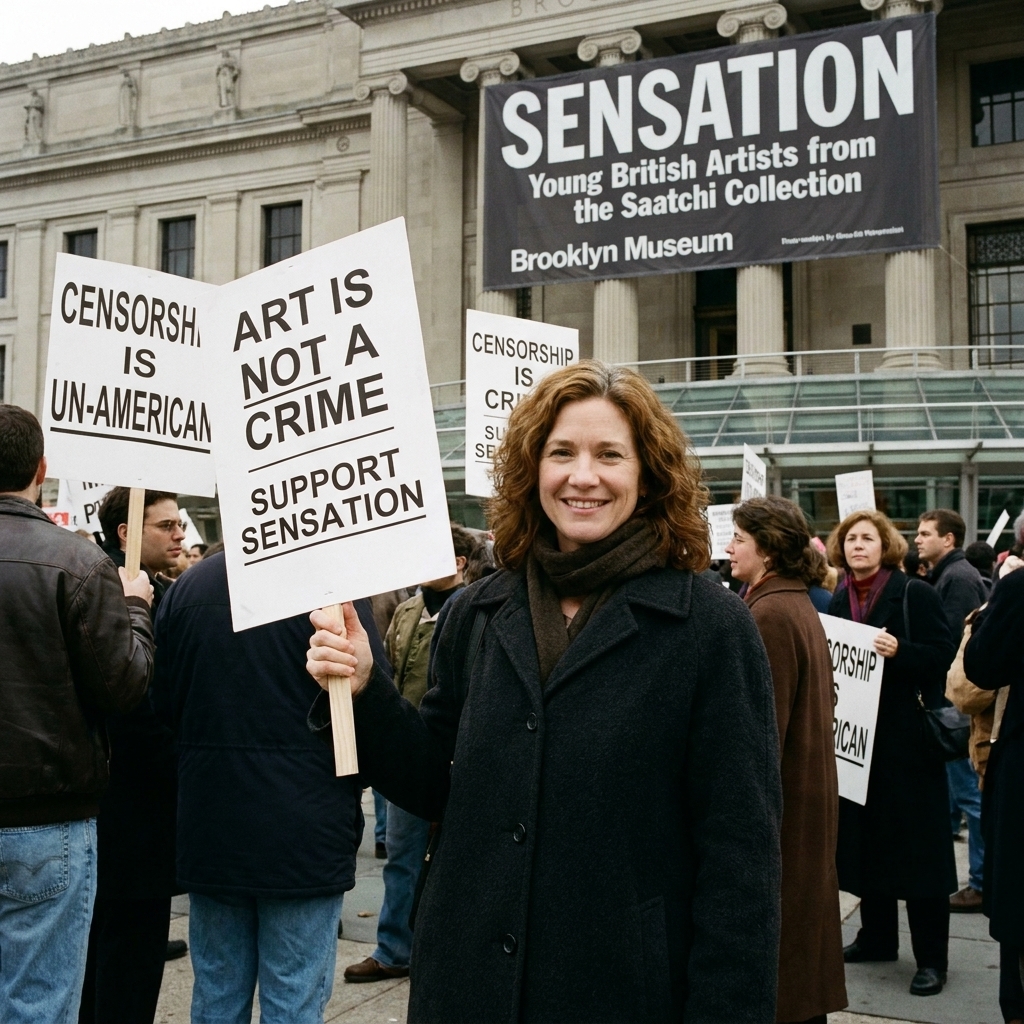
1) Sensation (Brooklyn Museum, Oct 1999 to Jan 2000)
Yes, this one technically opens at the very edge of the century. But if you want to understand why 21st-century art controversies unfold the way they do, you start here.
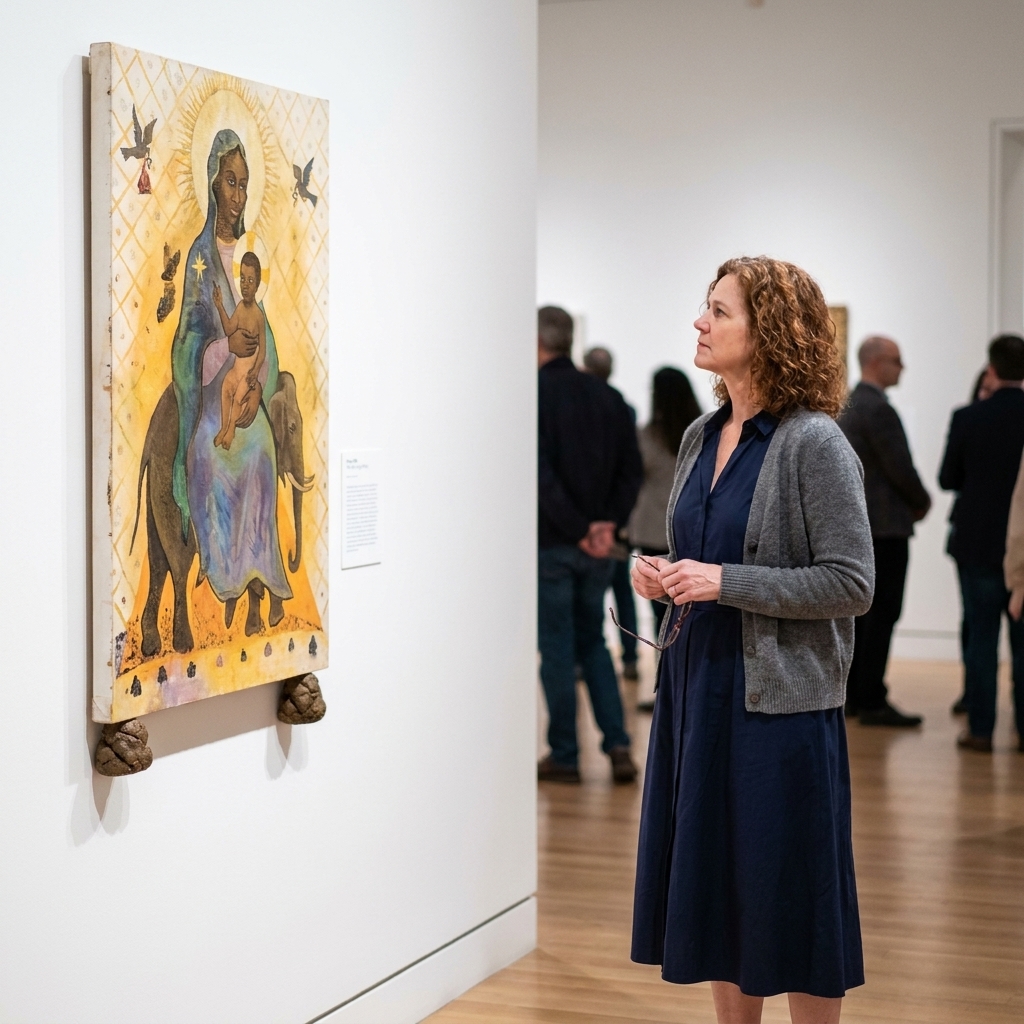
Sensation: Young British Artists from the Saatchi Collection landed in New York like a lit match. The most cited flashpoint was Chris Ofili’s The Holy Virgin Mary, a mixed-media painting that included resin-coated elephant dung. Then Mayor Rudy Giuliani condemned the show and threatened to pull city funding and challenge the museum’s lease, a move that helped ignite a landmark legal fight about public money, religious offense, and institutional autonomy.
Why it redefined high culture
- It made museums explicitly political actors, whether they wanted the job or not.
- It exposed the “public” as plural. Not one audience, but many, with competing values and different thresholds for harm and provocation.
- It normalized the idea that contemporary art could be a civic crisis, not a niche conversation for insiders.
2) Hide/Seek (Smithsonian NPG, 2010 to 2011)
Hide/Seek was billed as a major museum exhibition examining the role of sexual difference and desire in American portraiture. It should have been a milestone celebrated with champagne and a neat press release. Instead, it became a case study in institutional panic.
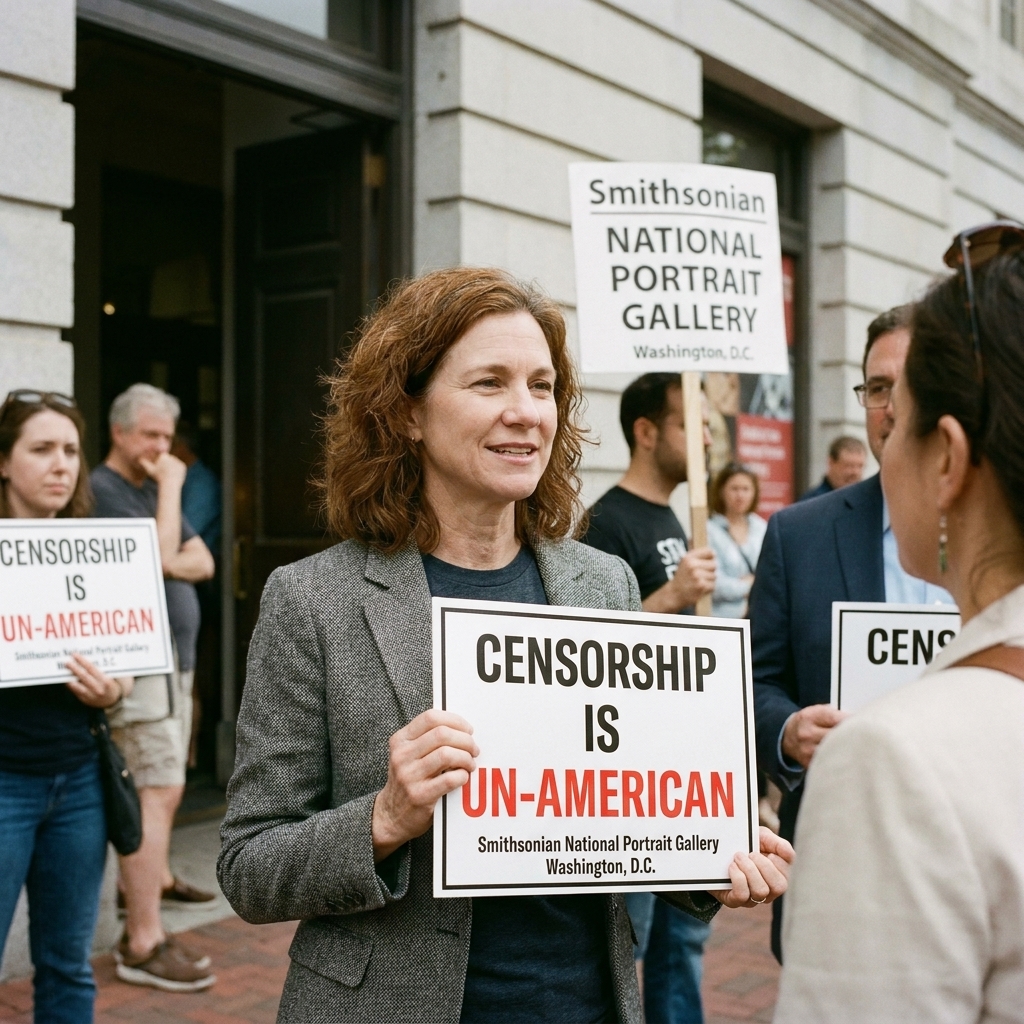
The controversy centered on the removal of David Wojnarowicz’s short film A Fire in My Belly after pressure from conservative politicians and advocacy groups. A brief excerpt showing ants crawling over a crucifix became the lightning rod. The Smithsonian pulled the work, and the art world responded with fury. Protests erupted. Other institutions and activists screened the film independently, turning censorship into a kind of counter-exhibition.
Why it redefined high culture
- It framed LGBTQ+ representation as central to American art history, not a sidebar.
- It showed how quickly “neutrality” collapses when donors, lawmakers, and public optics enter the room.
- It helped shift expectations for what national museums owe the communities they claim to represent.
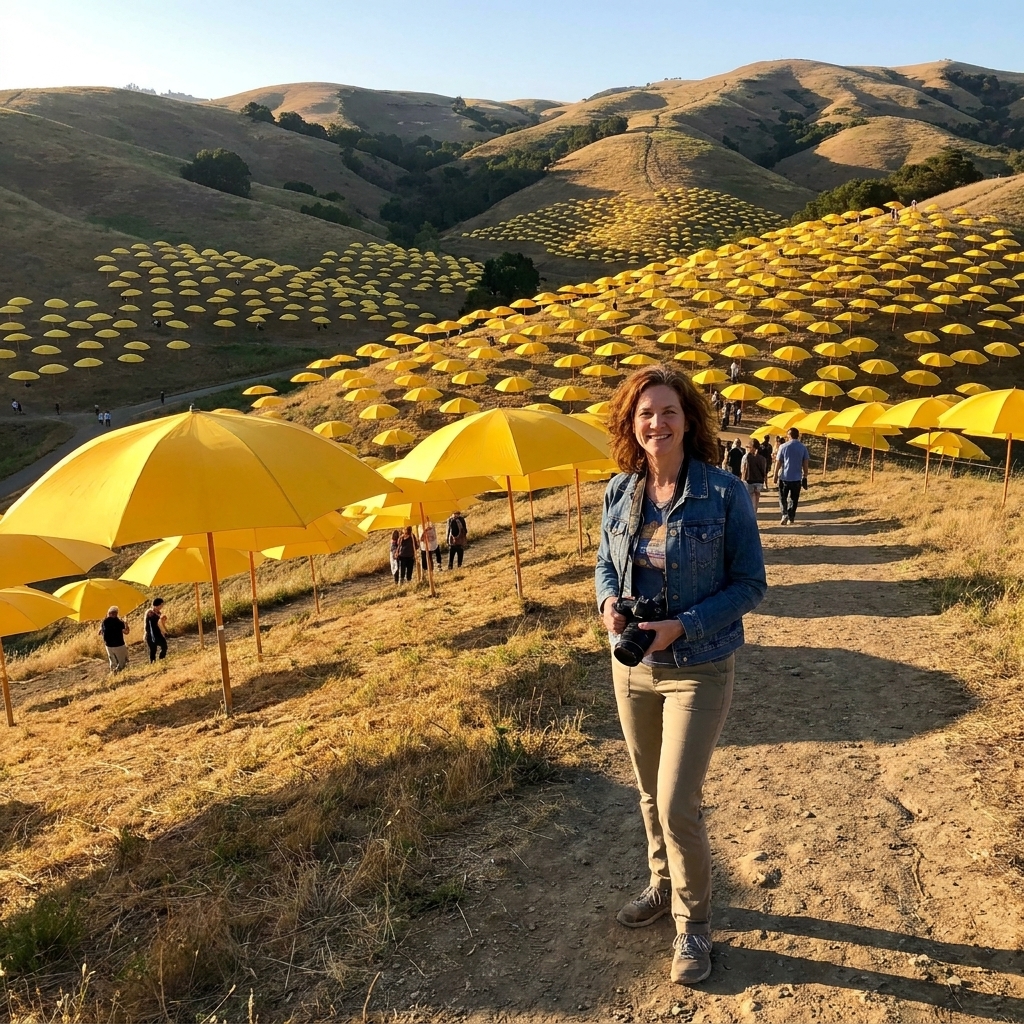
3) The Umbrellas (Christo and Jeanne-Claude, 1991, afterlife in the 2000s)
Not every controversial exhibition happens inside a white cube. Some unfold across entire landscapes, where the public does not opt in so much as wake up in the middle of it.
Christo and Jeanne-Claude’s The Umbrellas, installed simultaneously in Japan and California, remains one of the most debated large-scale environmental art projects in living memory. Two fatal accidents occurred, one involving a visitor struck by an umbrella in California and another involving a worker during dismantling. The work was closed early. The loss of life permanently complicated the romance of monumental, temporary spectacle.
While the project is earlier than the century mark, its afterlife shaped 21st-century conversations about public art, safety, permitting, and what it means to invite a community into an artwork that carries real risk.
Why it redefined high culture
- It made safety and liability part of the aesthetic conversation, not just a behind-the-scenes footnote.
- It raised the stakes of “public art” beyond taste into governance, infrastructure, and responsibility.
- It sharpened scrutiny around land use, permits, and the environmental footprint of spectacle.
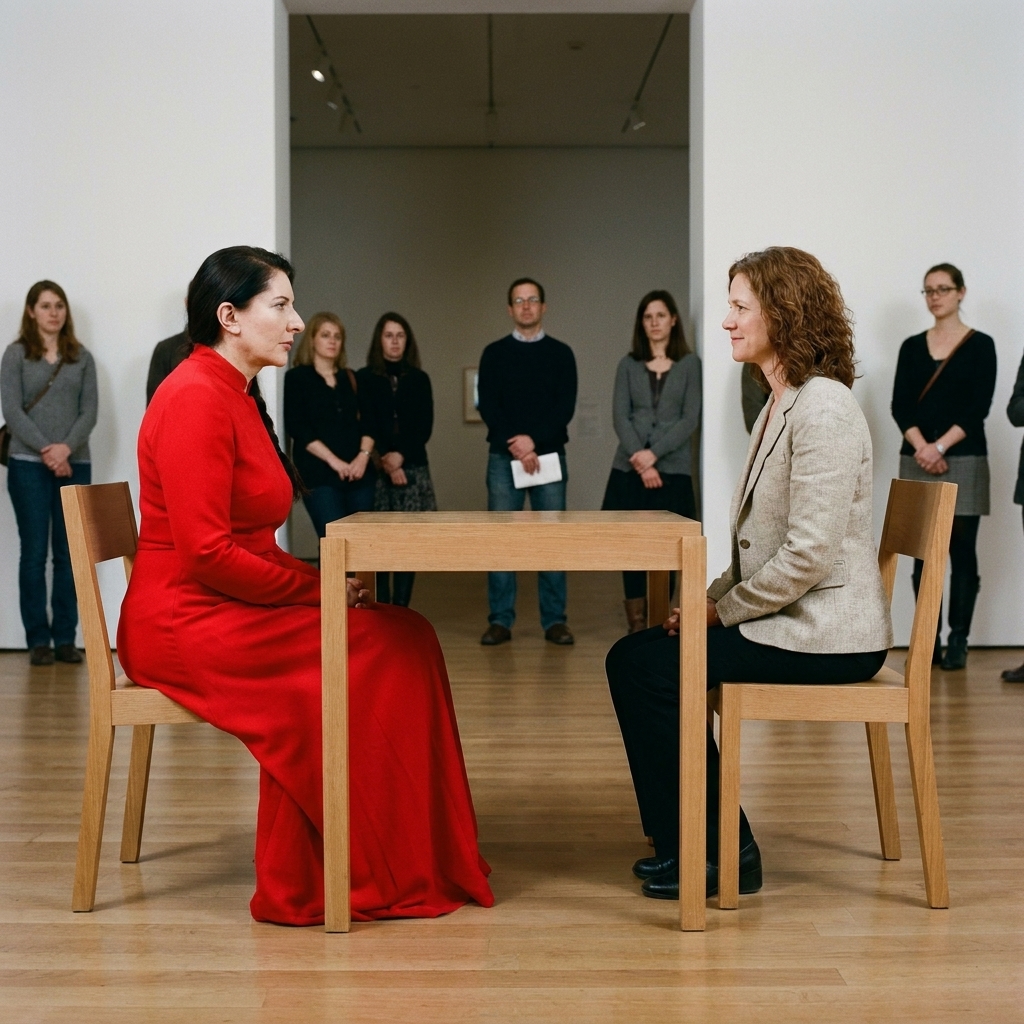
4) The Artist Is Present (MoMA, 2010)
If you were anywhere near the art internet in 2010, you remember the line. You remember the tears. You remember people whispering, as if they were in church.
For nearly three months at MoMA, Marina Abramović sat silently at a table, inviting visitors to sit opposite her for as long as they wished. On paper, it sounds almost aggressively simple. In practice, it became a cultural phenomenon and a lightning rod. Critics argued that the museum turned endurance performance into a celebrity attraction, that spectatorship became spectacle, that vulnerability was being consumed like content. Supporters insisted it proved contemporary art could still generate collective, unmediated emotion in a media-saturated era.
Why it redefined high culture
- It made attention the medium, and revealed how rare sustained attention had become.
- It turned a museum into a theater without sets, scripts, or applause, just human presence.
- It accelerated the event-ification of exhibitions, for better and worse, as institutions chased the kind of cultural gravity the show achieved.
5) New Portraits (Gagosian, 2014)
There is controversial, and then there is controversial in a way that makes everyone suddenly fluent in copyright law at dinner.
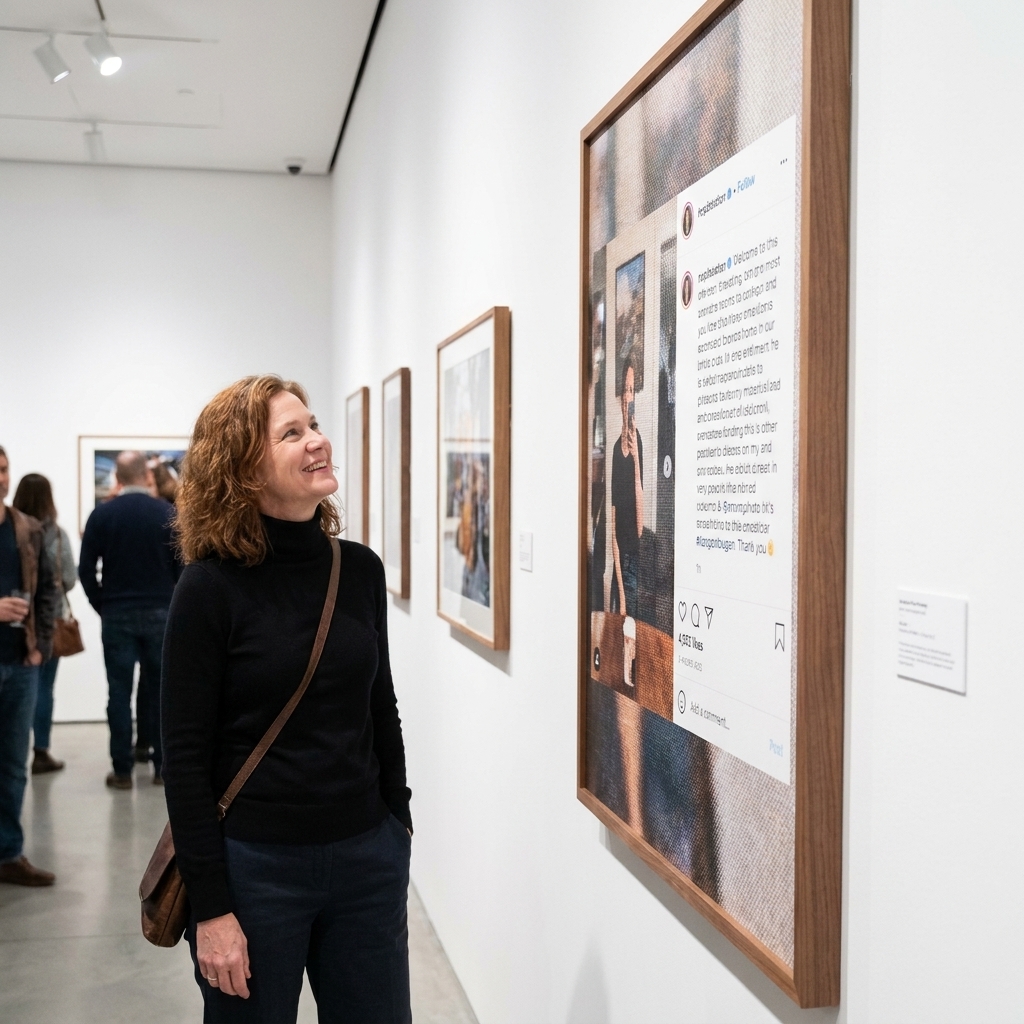
Richard Prince’s New Portraits presented enlarged prints of appropriated Instagram posts, complete with usernames and comments, plus Prince’s own added text. The show detonated online. Was it appropriation art doing what appropriation art has always done, spotlighting authorship as a slippery concept? Or was it a high-end monetization of ordinary people’s images, exported from a social platform into the art market with a price tag that felt like a dare?
The heat was not just aesthetic. It was personal. Some subjects publicly objected, and the exhibition became a case study in the ethics of consent in a digital age where images move faster than accountability.
Why it redefined high culture
- It forced the art world to confront the internet as source material, not just a marketing tool.
- It reframed appropriation as a question of power: who gets to take, who gets to profit, who gets to say no.
- It exposed the gap between legal permission and ethical permission.
6) Philip Guston Now (postponed 2020, opened from 2022)
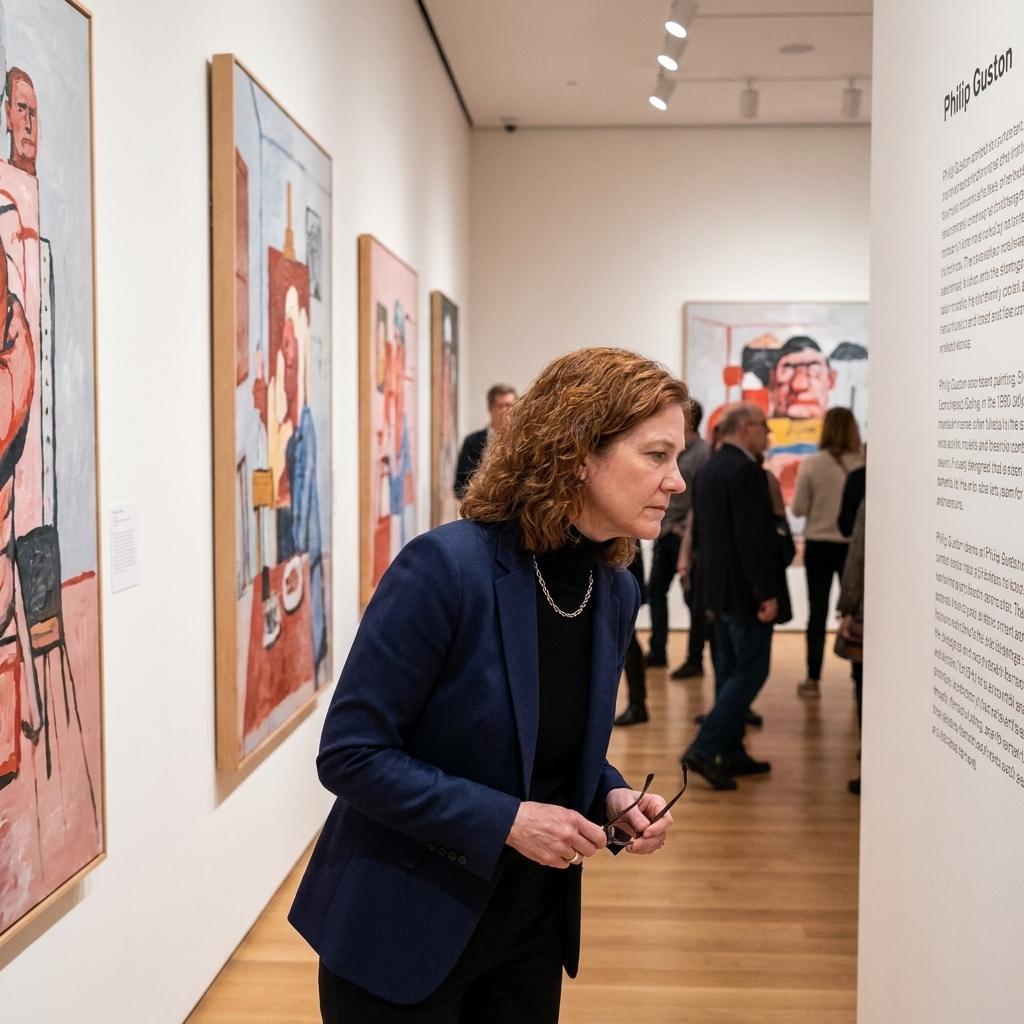
Few exhibition controversies feel as quietly heartbreaking as this one, because at its center was a genuine question: what does responsibility look like when an artwork depicts hateful imagery?
Philip Guston Now, a major retrospective co-organized by the National Gallery of Art in Washington, Tate Modern in London, the Museum of Fine Arts Boston, and the Museum of Fine Arts Houston, was postponed in 2020. The stated reason involved a need for more context around Guston’s paintings that include hooded Ku Klux Klan figures, imagery Guston used as part of his own moral reckoning and critique of racism. The delay triggered widespread criticism from artists, critics, and scholars who argued that postponement read as institutional risk management rather than meaningful engagement.
When the exhibition finally opened starting in 2022 and continued on its tour schedule, it did so under a brighter light. Not just on Guston’s work, but on the museum’s interpretive duties and the audience’s right to grapple with discomfort without being infantilized.
Why it redefined high culture
- It made context a frontline issue, not a supplemental wall label.
- It tested museums’ courage to present difficult work during politically volatile moments.
- It clarified that representation is not endorsement, but also that presentation is never neutral.
7) Sunflower Seeds (Tate Modern, 2010)
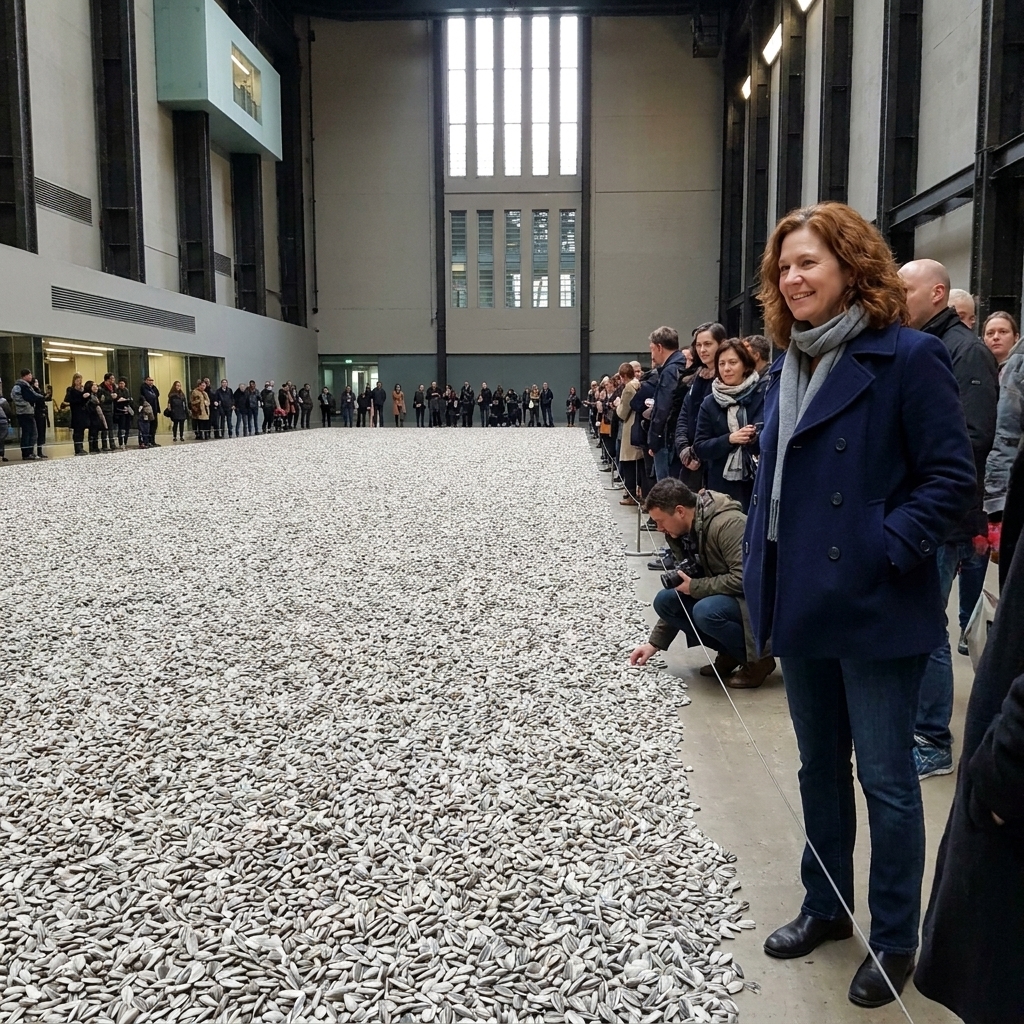
From a distance, Sunflower Seeds looked like a minimalist dream: a vast gray field spread across Tate Modern’s Turbine Hall. Up close, the work snapped into focus as something intensely human. The “seeds” were millions of hand-painted porcelain pieces, produced by artisans in Jingdezhen, each one slightly different, collectively overwhelming.
The controversy arrived in an unexpected form: access. Initially, visitors could walk on the seeds. Dust concerns led Tate to restrict interaction, and the conversation quickly expanded. What does participation mean when safety intervenes? How do we weigh the romance of touch against the realities of materials, labor, and public health?
Layered beneath those practical questions was a deeper one about global capitalism. The work addressed mass production, individuality, and the politics of “Made in China” as both a label and a lived reality. That is a lot to place under your feet, even before the museum tells you not to.
Why it redefined high culture
- It made craft and labor impossible to ignore inside a contemporary art spectacle.
- It showed participation is a design choice, and removing it changes the meaning.
- It braided politics into aesthetics without turning the viewer into a passive student.
What changed
If you line these exhibitions up like postcards from the last twenty-five years, a pattern emerges. The arguments are rarely only about the artwork. They are about the museum as a stage for public life.
- Authority shifted. Curators still matter, but audiences now speak back instantly and loudly, especially online.
- Ethics became part of criticism. Not as a purity test, but as a real lens for understanding power, consent, labor, and harm.
- Participation became a medium. Sometimes it is literal, like sitting across from Abramović. Sometimes it is social, like debating Prince’s prints in your group chat.
- Context became contested territory. Who provides it, whose voice is missing, and whether it is offered as invitation or as shield.
High culture, at its healthiest, is not a velvet rope. It is a conversation we keep reopening, even when it gets messy. Especially when it gets messy.
FAQ
Are controversial exhibitions “good” for art?
Not automatically. Controversy can be manufactured, and outrage can be a marketing strategy. But when the controversy is rooted in genuine stakes, such as censorship, representation, labor, or public responsibility, it can push institutions and audiences into more honest engagement.
How should museums handle sensitive or offensive imagery?
With clarity and care, not avoidance. That means strong curatorial framing, transparent decision-making, and educational materials that do not talk down to visitors. It also means listening to communities most affected by the imagery, while resisting the urge to treat discomfort as an automatic deal-breaker.
What is the difference between censorship and curation?
Curation is shaping a coherent argument through selection and interpretation. Censorship is removing or suppressing work primarily to avoid political, financial, or reputational consequences, especially under external pressure. The line can blur in practice, which is why transparency matters.