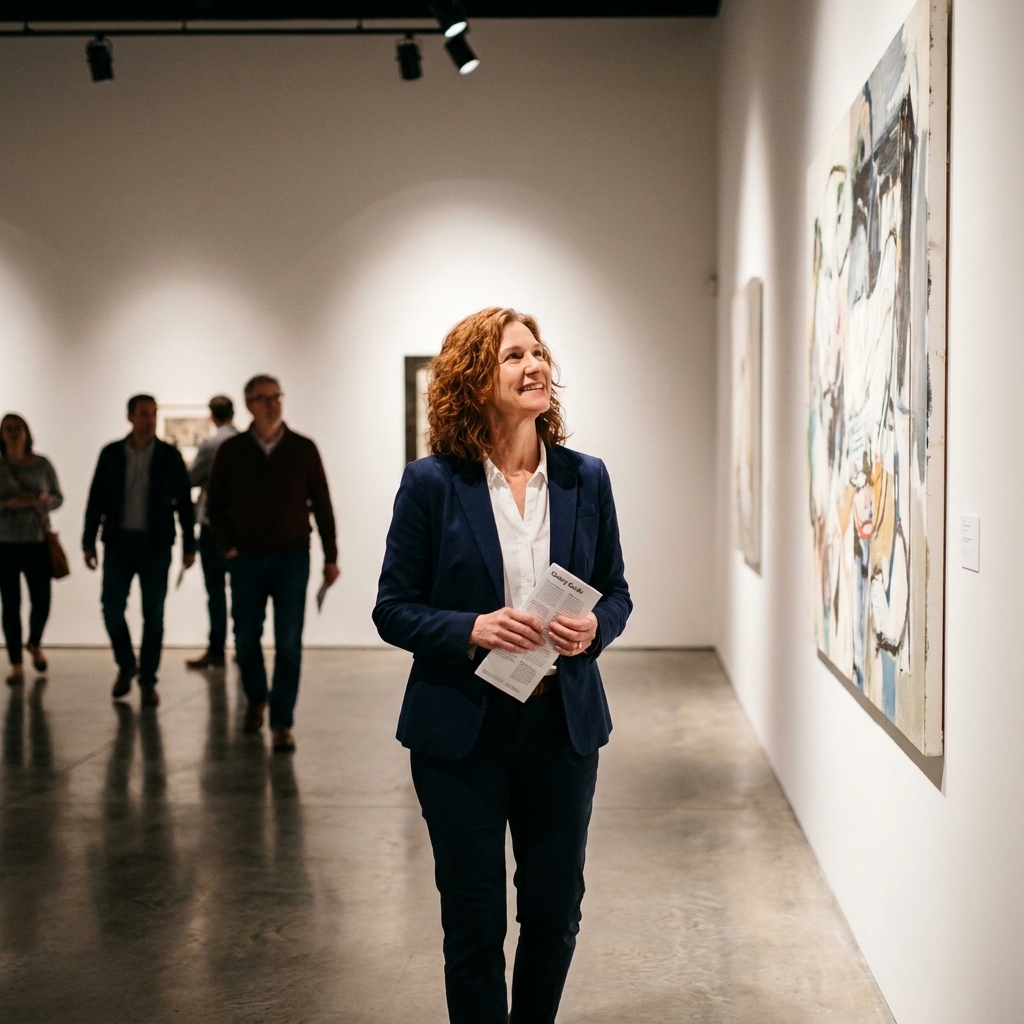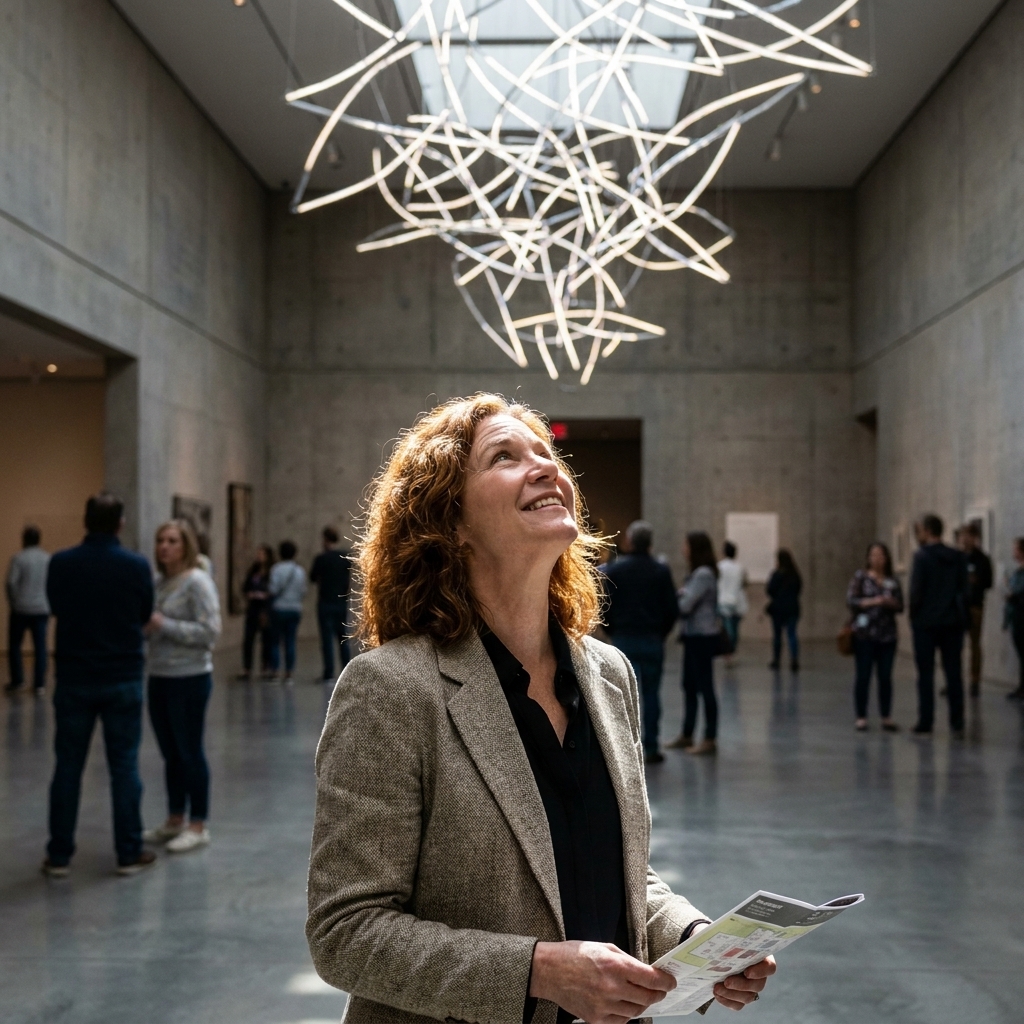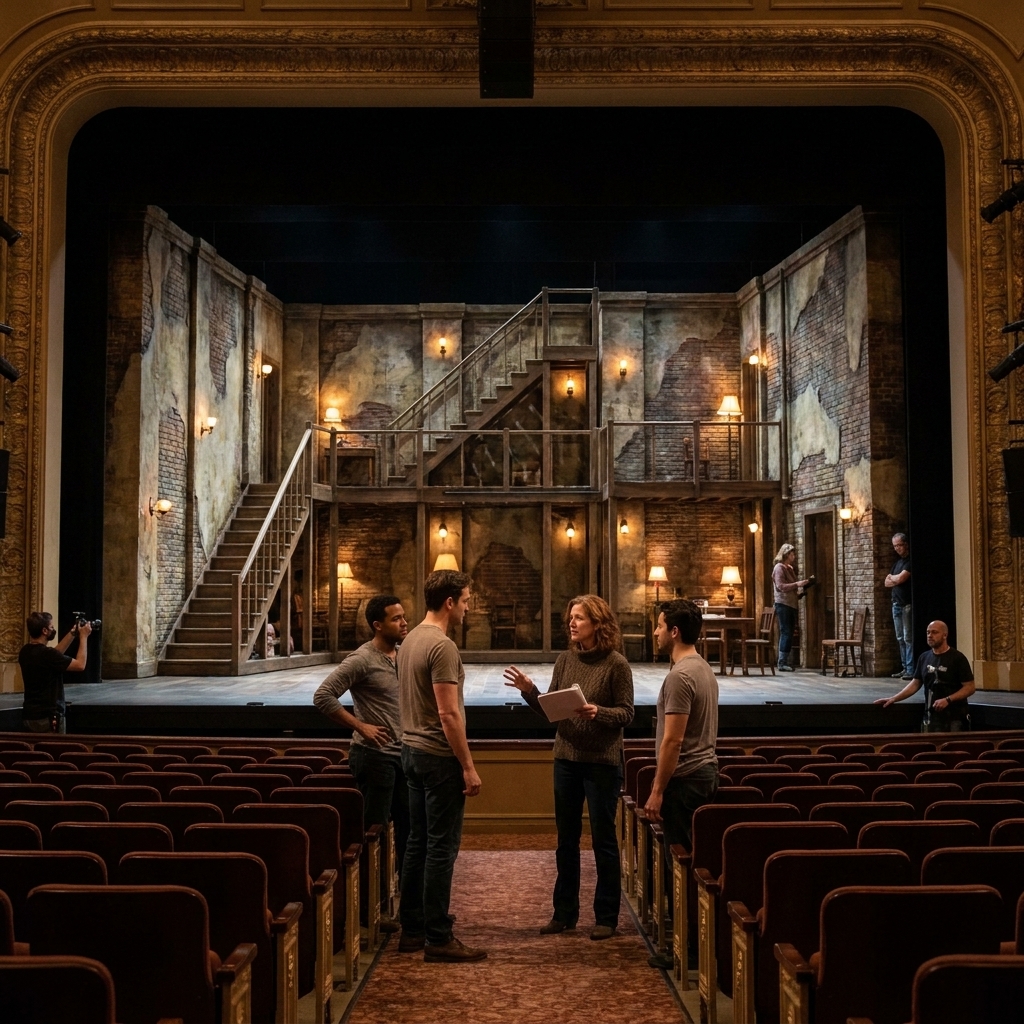
The first time I watched a dancer thread through a painting show, it felt like someone had quietly turned the lights up on the entire room. The canvases did not lose their gravity. If anything, they gained a pulse. But I have also seen the opposite: a well-intentioned performance that bottlenecked the entry, spiked the decibel level, and left visitors feeling like they were doing the awkward shuffle of, “Am I allowed to be here?”
This guide is for the middle path. The one where live performance and static work share the same air without competing for oxygen. Think of it less like “adding a show inside a show,” and more like designing a score for how bodies move, pause, listen, and look.
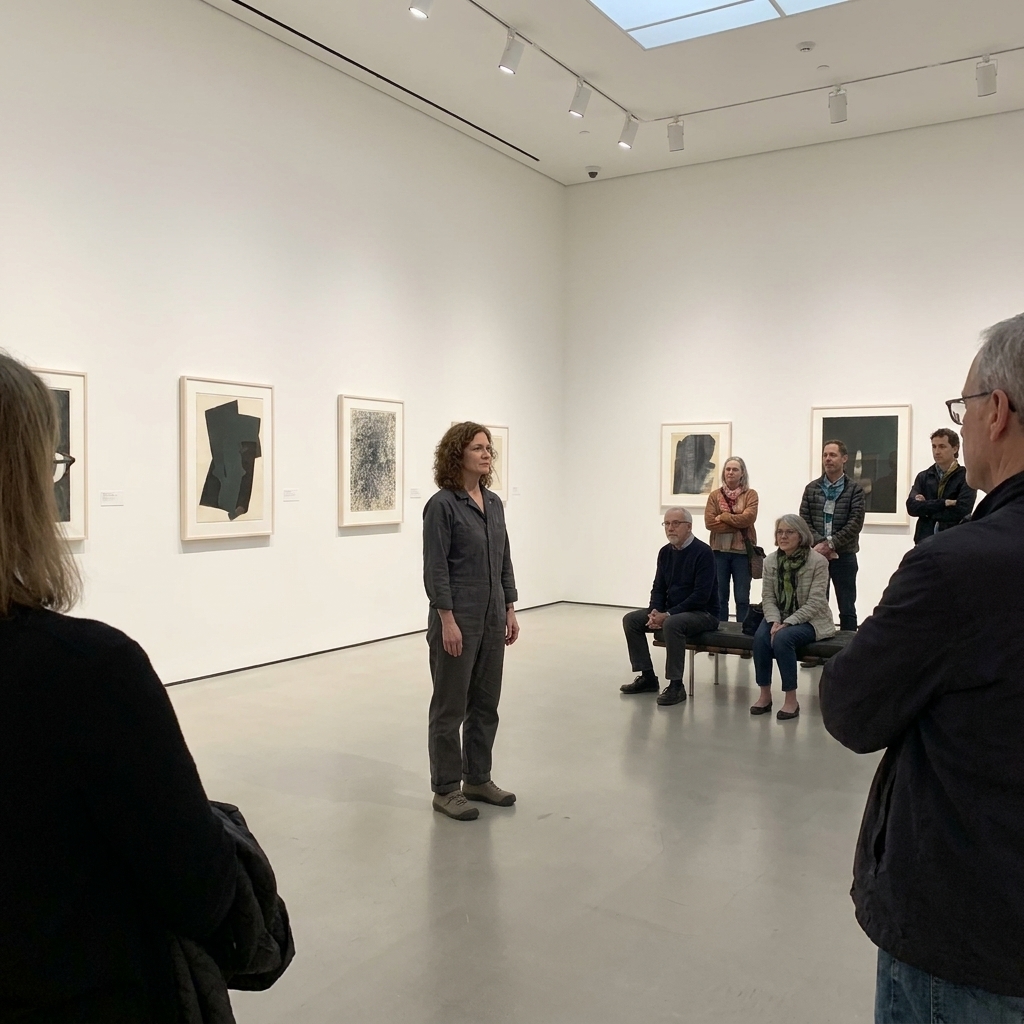
Start with a curatorial premise, not a plug-in
Performance in a gallery lands best when it is not treated as entertainment between artworks, but as an artwork that changes the way the rest is read. Before you think about schedules or tech riders (the artist’s technical needs list), write a one paragraph premise that answers three questions:
- What does the performance reveal about the visual works, the space, or the theme?
- What kind of attention does it ask for, like drifting, listening, witnessing, participating, or remembering?
- What does it require from the room, like silence, darkness, a pathway, a threshold, or a gathering point?
If you cannot articulate that premise, the visitor will feel it as confusion, even if the performance is brilliant.
A helpful litmus test
Ask yourself: if the performance were removed, would the exhibition feel incomplete rather than merely quieter? If yes, you have integration. If no, you may have programming, which is also valid, just a different goal with different expectations.
Design visitor flow like choreography
In theater, we block performers. In galleries, we often forget to block audiences. Performance forces the issue in the best possible way.
Map three movement modes
- Drift: the usual gallery pace, where visitors browse and circulate.
- Gather: a temporary slowing and clustering around the performance.
- Release: the moment the crowd disperses and returns to looking.
Now decide where each mode happens. The simplest mistake is letting gather occur in a corridor, at a doorway, or in front of the only label wall people need to read.
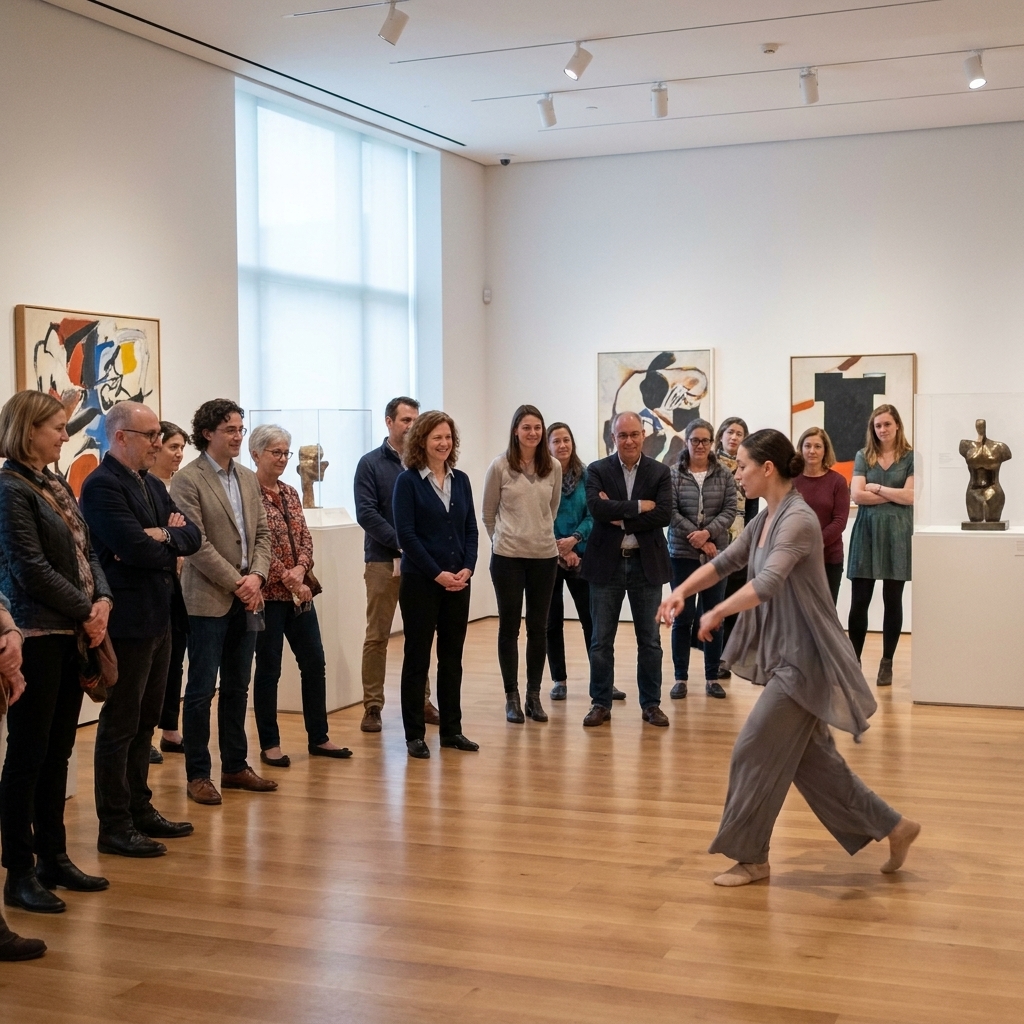
Choose a performance zone with a clear edge
Visitors relax when they can tell, without being told, where the performance begins. Create an edge using one or more of the following:
- A subtle floor boundary like a taped line in the same color family as the floor, or a low platform that does not scream stage.
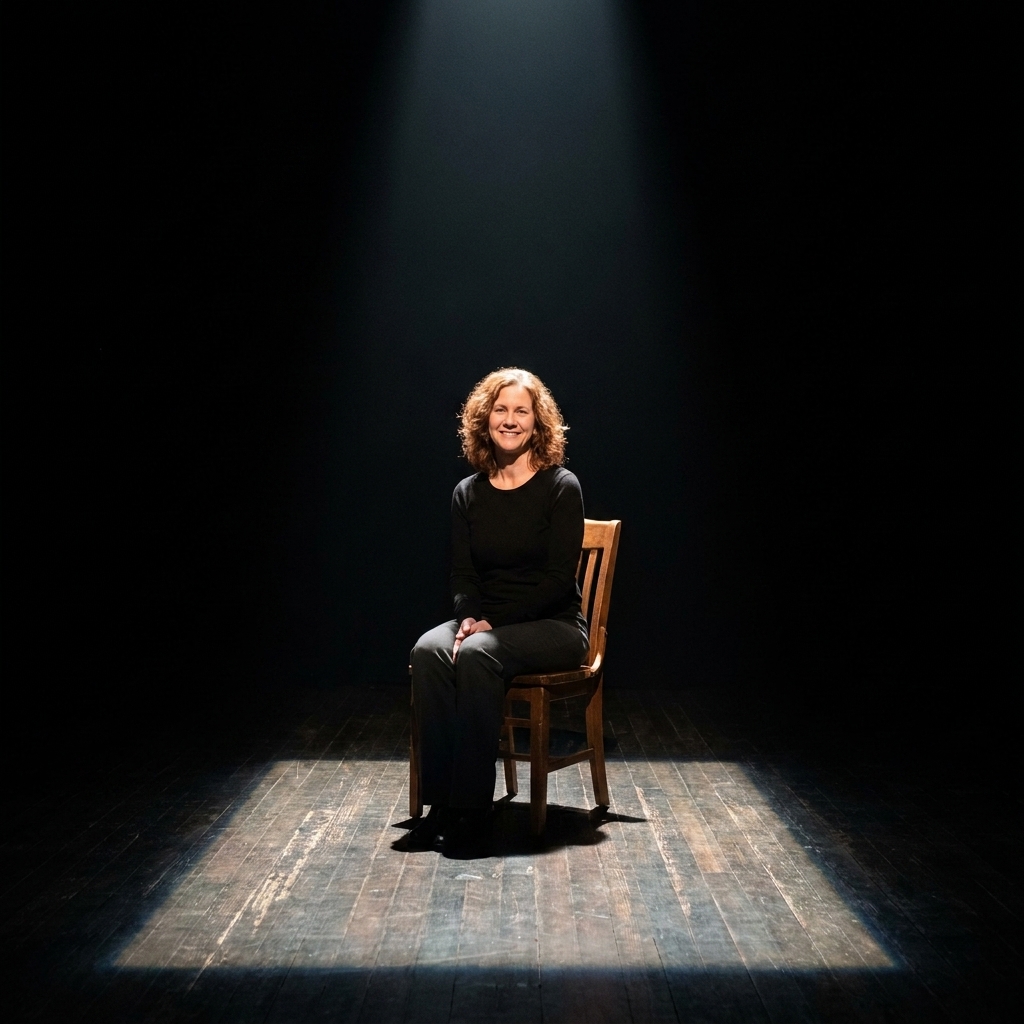
- Lighting shift, even slight. A warmer pool of light reads as “event” without dimming the whole room.
- Furniture or object placement that implies a viewing arc, like a bench offset to one side.
The edge is not about exclusion. It is about permission. People need to know whether they are meant to cross into the work or witness it.
Schedule for breathing room, not constant activation
A gallery can handle performance, but it cannot be in a permanent state of interruption. If everything is always happening, nothing is legible.
Use short sets with reliable start times
For many traditional gallery contexts, a common pattern is:
- 10 to 20 minute sets that can be experienced without planning a whole afternoon around them.
- Predictable start times on the hour or half hour, so visitors can self-organize.
- Recovery intervals that allow the room to return to drift mode.
Adjust as needed for durational work, one-time events, or larger institutions with heavier foot traffic. When start times are vague, visitors hover. Hovering creates congestion and a low grade stress that spreads through the show.
Stagger activation across rooms
If you have multiple galleries, consider letting only one room be live at a time. Visitors can either seek it out or choose quiet looking elsewhere. This is especially important if the visual work needs sustained attention.
Sightlines: protect the art, protect the looking
Performance changes where people stand. Where people stand changes what gets blocked, what gets bumped, and what gets ignored.
Do a crowd rehearsal before opening
Invite staff or volunteers to behave like visitors. Ask them to:
- Enter in small groups.
- Stop at the first thing that catches their eye.
- Film short clips on their phones.
- Try to read the wall text.
Then watch where bodies accumulate. You will find pinch points you did not anticipate, especially near doorways and label clusters.
Keep a clean perimeter around fragile works
If the performance zone sits near works on paper, sculpture on plinths, or anything with a sensitive surface, establish a buffer. This can be done discreetly with:
- Stanchions that match the gallery’s visual language.
- Low seating that doubles as a barrier.
- Staff positioning that feels hospitable rather than policing.
Sound: the quietest crisis you can prevent
In a white cube, sound travels like gossip. Hard surfaces and reverberation can carry a single voice far beyond the room you think it belongs to.
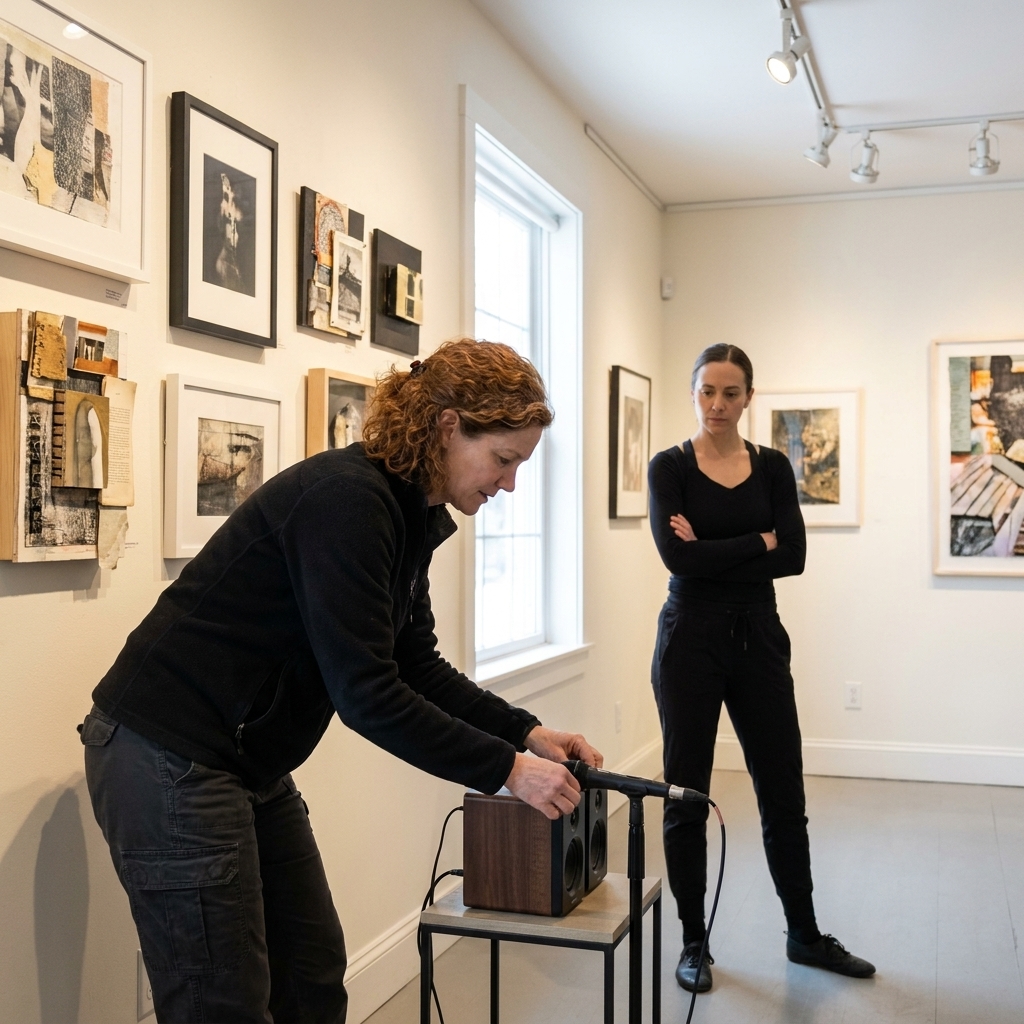
Decide the sound philosophy early
- Acoustic only: beautiful, intimate, and often the easiest on the building, but it demands close listening and controlled crowd size.
- Localized amplification: a small speaker aimed inward toward the viewing area, not outward into the corridor.
- Headphone model: works for spoken word or sound-heavy performance when you need the gallery to remain visually active and sonically calm.
Build a decibel ceiling into the plan
Set a maximum volume with the artist and tech team, then test it with the galleries occupied. Sound checks in empty rooms lie. If the performance includes voice, consider a headset mic at lower volume rather than pushing a room mic louder.
Lighting: keep the art honest
Performance lighting can be seductive. It can also wash out paintings, introduce glare, or distort color temperature so dramatically that a carefully installed exhibition feels suddenly mislit.
Use additive lighting, not replacement lighting
Whenever possible, add a focused performance light without changing the baseline exhibition lighting. Visitors should still be able to read the rest of the room as an exhibition, not a black box.
Watch for conservation constraints
If you are adding lights near light-sensitive works, confirm lux levels and heat output. LEDs help, but “LED” is not a magic word. Aim, distance, and duration matter.
Wayfinding that does not shout
The trick is to be clear without turning the gallery into an airport.
Give visitors three pieces of information
- When the performance starts and how long it lasts.
- Where to stand or sit, using gentle, plain language.
- What kind of participation is expected, like “You may move around the performer” or “Please remain behind the line.”
Place signage where decisions happen
Put the schedule at the threshold: entrance desk, first wall after entry, and any junction where visitors choose between rooms. Do not bury it inside the performance zone itself, where it becomes one more obstacle.
Staffing: front of house matters
Gallery attendants and visitor services staff become your unofficial stage managers. If they are not briefed, the performance will feel like an accident rather than a choice.
Write a one page show sheet
Keep it simple and human. Include:
- Performance times and reset times.
- Expected audience behavior and how to invite it kindly.
- Safety notes, like no flash, no touching props, clear egress paths.
- Who to call if something shifts, like a late performer or a crowd surge.
Position staff as hosts, not guards
The language matters. “You are welcome to stand here” works better than “Do not stand there.” The goal is ease, not enforcement.
Artist care: make the gallery livable
Galleries are built for objects. Performers are not objects, and they will feel it immediately if you treat them like one.
Backstage basics in a non-theatrical space
- A private place to change and warm up.
- Water, a chair, and a predictable break schedule.
- A clear protocol for interacting with visitors, including what to do if someone crosses a boundary.
Also decide, with the artist, whether they are “in character” before and after the set. Visitors will approach them. That can be beautiful. It can also be exhausting.
Safety and access: plan for peaks
Performance creates peaks. The busiest moments are often just before the start and right after it ends.
Keep egress sacred
Never allow the performance zone to block:
- Fire exits or primary circulation paths.
- Wheelchair turning radii.
- Access to seating for visitors who cannot stand for long.
Offer multiple ways to experience the work
If the performance is time-based, consider:
- Reserved seating blocks for visitors with mobility needs.
- A quiet viewing area slightly off axis.
- Captioning for spoken text, and ASL interpretation for select performances when feasible.
- A written or audio description option if the work is highly visual and you have the resources.
Capacity: plan for overflow
If the room cannot safely hold the crowd a performance attracts, the art and the building both suffer. Build a gentle system before you need it.
Simple tools that work
- Headcounts at the door when sets begin, with a clear max occupancy for the viewing edge.
- Queue language that reduces anxiety, like “Next set starts at 2:30” rather than “You have to leave.”
- Timed entry or a soft reservation list for peak days, especially for smaller spaces.
Rights, permissions, and policies
This is the unglamorous layer that keeps everyone protected and paid.
Confirm agreements early
- Performer agreement: fees, schedule, documentation permissions, cancellation terms, and what counts as rehearsal time.
- Music and text rights: if the performance uses recorded music or licensed material, confirm licensing or permitted use.
- Insurance and liability: align with your institution’s requirements, especially for audience participation, props, or physical contact.
Coordinate with collections and conservation
Beyond lux and heat, check for house rules around proximity, vibration, and no-food or no-drink zones. When in doubt, loop in the registrar or conservation lead before you finalize the performance zone.
Document without turning the room into a film set
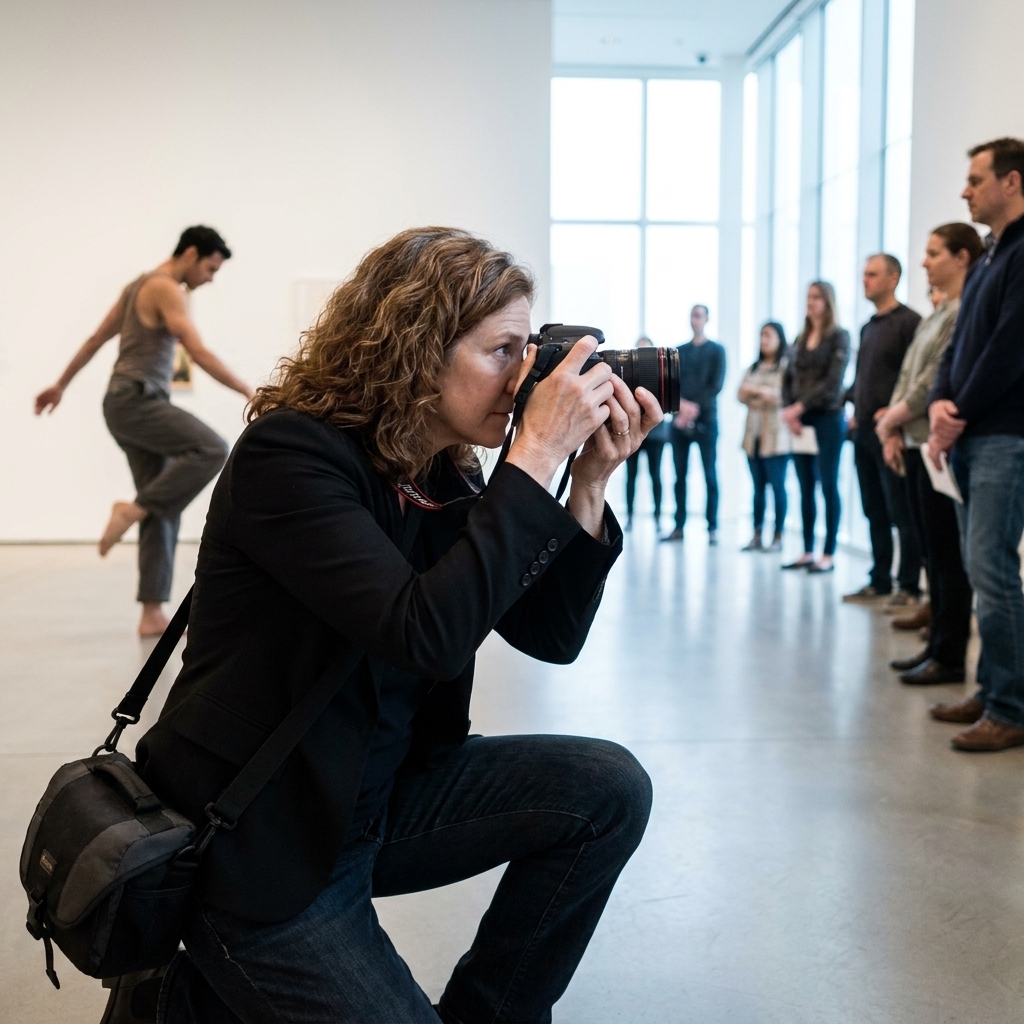
Documentation is often necessary for the artist, the institution, and posterity. But it can also change audience behavior instantly. Suddenly everyone is performing, too.
Pick one primary documentation set
Schedule a dedicated documentation run, ideally outside peak visiting hours. If you must document during public hours, keep the crew minimal and the footprint small. Communicate clearly to visitors where tripods will be and for how long.
Decide the visitor photo policy upfront
Will visitors be allowed to photograph? If yes, is flash allowed? If no, what is the reasoning and how will staff convey it without escalating tension? Consistency is kinder than ambiguity.
Integration strategies that work
1) The threshold performance
Place the performance near the entrance, but not in the entry choke point. It becomes a tuning fork for the whole exhibition, setting tone and tempo.
2) The roaming score
A performer moves on a set pathway at set times, like a slow tide through the galleries. This reduces crowd crush because the performance does not demand one static gathering spot.
3) The listening bench
If the performance is sound based, anchor it to seating. People understand benches. Benches signal duration.
4) The micro performance
Short, repeated gestures that reward accidental witnessing. This works well in spaces where visitors come and go unpredictably.
A simple run of show
Here is a structure I have seen succeed in traditional gallery layouts:
- 15 minutes before: staff gently clears circulation paths, checks buffers around artworks, confirms sound level.
- Start: one minute of stillness or a clear visual cue, so visitors know it has begun.
- 10 to 15 minutes: performance.
- 2 minutes: soft release cue, like the performer exiting, returning to stillness, or resetting a prop in a visibly final way.
- 10 to 20 minutes: reset and drift time, no announcement necessary.
The key is the release. Without it, audiences linger in a confused cloud.
Troubleshooting
The crowd blocks the doorway
- Move the viewing edge deeper into the room with a bench or floor boundary.
- Shift start times by five minutes and add a “gather here” cue away from the threshold.
Sound bleeds into other rooms
- Turn the speaker inward and lower it. Bring the audience closer instead.
- Swap to a headphone model for the loudest sections.
Visitors do not realize a performance is happening
- Add a consistent start cue: a light change, a bell tone, a performer’s deliberate entrance.
- Place one small schedule sign at the decision point nearest the room.
Visitors treat the performer like a selfie backdrop
- Clarify the photo policy and staff script.
- Create a viewing distance boundary that feels intentional, not punitive.
Closing thought
When performance is integrated well, it does not hijack the gallery. It deepens it. It reminds us that art is not only something we look at. It is also something that looks back, through time, through bodies, through the hush of a room that suddenly feels awake.
If you build clear edges, reliable rhythms, and generous pathways, your visitors will do the rest. They will find their place in the score.