Classical portraiture is a slow art, even when you work quickly. It is the patient building of form, the hush of a well-placed shadow, the tiny temperature shift that turns a cheekbone from flat to alive. The paint you choose changes how that patience behaves in your hands.
Oil and acrylic can both create portraits with convincing flesh, rich darks, and that old-master glow. But they ask for different rhythms. Oil invites you to linger. Acrylic asks you to plan. If you have ever stood in front of a Velázquez and wondered how the edges melt like breath on glass, you are already thinking about drying time, layering, and what happens to a film of paint after decades of light.
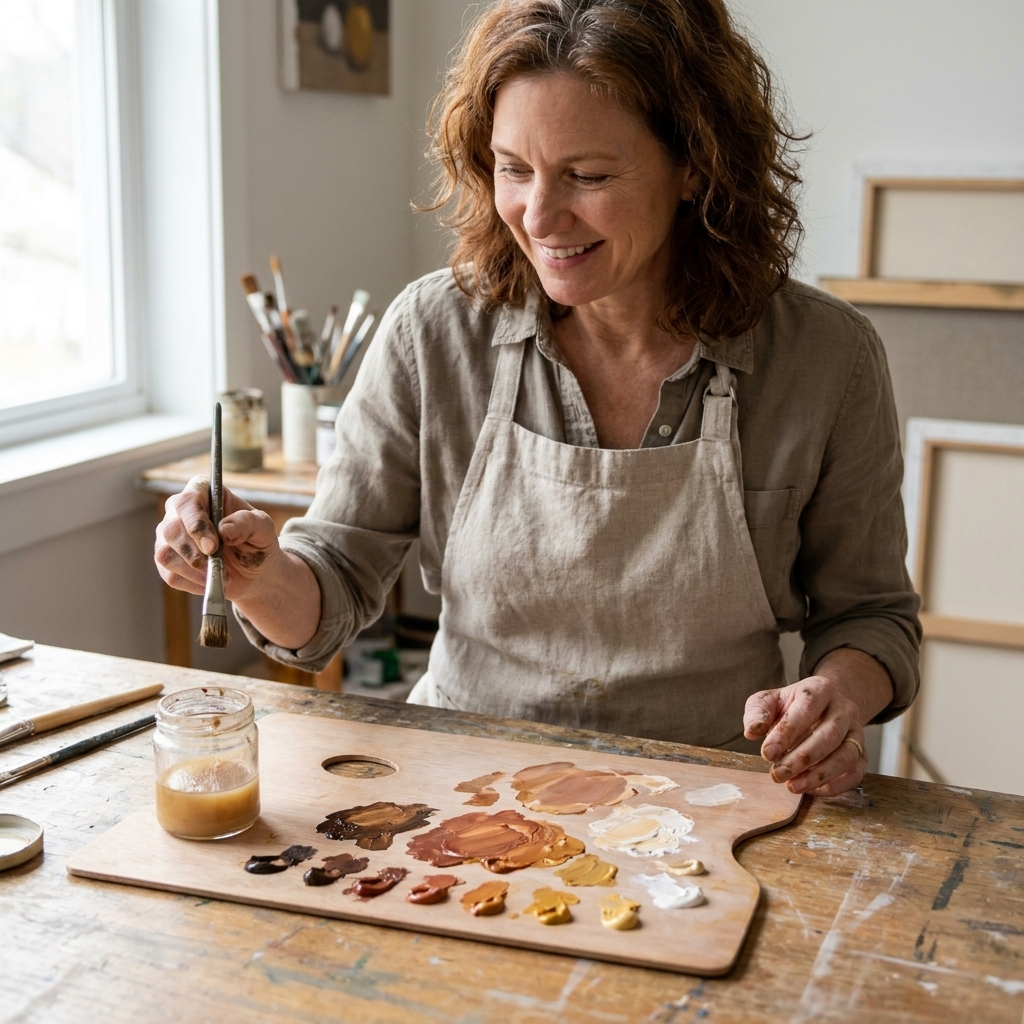
Let’s talk about what actually matters for aspiring portrait artists: blending time, archival qualities, and the techniques that help you get a classical look without fighting your materials.
What classical needs
When people say “classical portraiture,” they often mean a few specific visual behaviors:
- Long gradients that roll smoothly from light into halftone and shadow
- Edge control, from crisp accents to soft, disappearing contours
- Layering that creates depth, especially in shadows and skin
- Color temperature nuance, the warm and cool shifts that make skin feel human
- Surface integrity that does not crack, discolor dramatically, or turn chalky over time
Both oils and acrylics can do these things. They just arrive there by different roads.
Blending time
Oil: the long conversation
Oil paint stays workable for hours and often days, depending on pigment, thickness, and your medium. For portraiture, that open time is not a luxury. It is a tool.
It lets you:
- Feather edges until transitions feel anatomical rather than painted
- Blend wet-into-wet in a single sitting, especially in cheeks, foreheads, and neck planes
- Adjust a drawing subtly as you model form, without the “locked in” feeling
If your goal is that skin-like continuity where you cannot quite find the brushstroke, oil tends to cooperate.
Acrylic: the quick heartbeat
Acrylic dries fast, often in minutes on the palette and on the canvas, depending on humidity, airflow, and how thinly you paint. That speed can be wonderful for blocking in and for artists who like decisive layers, but it changes your blending strategy.
In acrylic, you typically blend by:
- Layering thin films (optical mixing) rather than endlessly massaging wet paint
- Working in small zones, finishing an area before it sets
- Misting or using a stay-wet palette to extend open time
- Using open or slow-drying acrylic mediums when you need more grace
You can still achieve soft transitions, but the softness often comes from many controlled passes, not one long, velvety session.
Think of oil like rehearsal with time to explore subtext. Acrylic is opening night. Both can be brilliant. One simply demands your choices sooner.
Archival life
If you are making portraits you want to keep, gift, or sell, durability matters. Not in a scary, museum-police way. In a “will this still look like me in 30 years?” way.
Oil: proven, not automatic
Oil painting has centuries of evidence behind it. Properly made and properly layered, it can be remarkably durable. The caveat is that oil is less forgiving of structural mistakes, and oil films can become more brittle over decades.
Strengths:
- Long historical track record when executed well
- Durable films when paint layers are structured thoughtfully
- Excellent depth in darks and glazes
Risks:
- Cracking if you violate fat-over-lean principles, stack incompatible layers, or rush
- Yellowing or darkening in some oils and varnishes, especially with prolonged dark storage
- Sensitivity to unstable grounds and aggressive solvent use
Best practice: use a properly sealed and primed surface, keep early layers leaner and later layers fatter, allow adequate drying, and varnish only after the painting is fully cured. In practical terms, that is often months for oils, longer for very thick paint or slow-drying pigments.
Acrylic: stable film, different vulnerabilities
Acrylic is younger than oil, but it has strong archival performance when you use artist-grade paint and sound supports. It forms a flexible polymer film that resists cracking under normal conditions, though it can still fail with extreme thickness, poor preparation, heavy flexing, or very cold environments.
Strengths:
- Generally less prone to cracking from common layering mistakes
- Water-based cleanup reduces solvent exposure
- Fast drying lowers risk of dust settling into wet paint for days
Risks:
- Drying shift in value or saturation (often a bit darker or duller, though it varies by pigment, brand, and mediums)
- Surface tackiness in some conditions, which can attract grime over time
- Support issues if painted on flimsy surfaces that flex too much
Best practice: work on rigid panels or well-stretched canvas, prime well, and consider an isolation coat and a varnish designed for acrylics. Acrylics can usually be varnished after they are fully dry, often after a few days, but follow the varnish and isolation coat instructions for your specific brand.
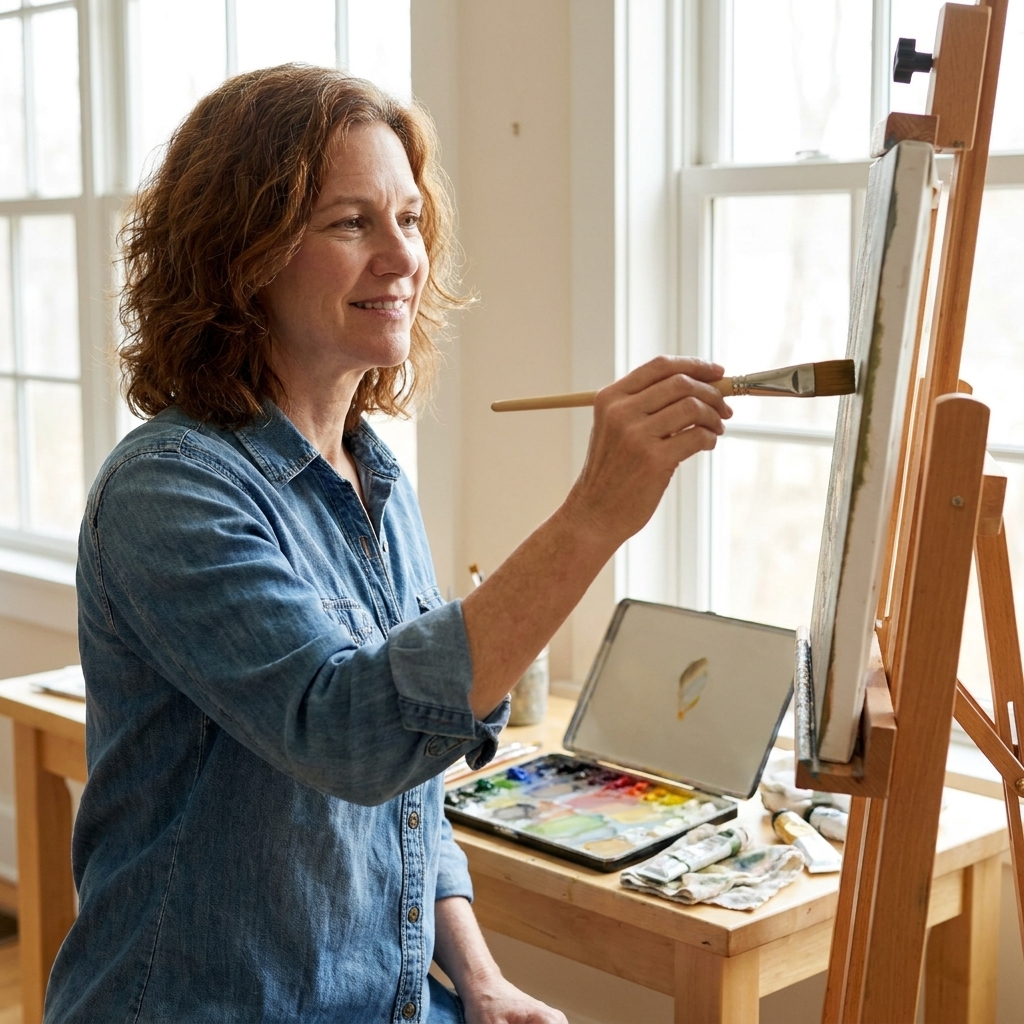
Handling and finish
Oils: responsive and forgiving
Oil has a slip that makes it ideal for subtle modeling. You can push it around, scrape back, soften an edge, and keep going. This is especially helpful for beginners learning to see values, because oil gives you time to correct.
Finish is another quiet advantage. Oils can naturally create a luminous surface, particularly in transparent passages.
Acrylics: adaptable, but you choose the feel
Acrylic out of the tube can feel grabby. With mediums, it can become more fluid, more matte, more glossy, more transparent. The flexibility is real, but it means you must choose your behavior rather than expect it.
For classical portraiture, many artists prefer:
- Heavy body acrylics for a more oil-like consistency
- Open acrylic mediums for longer blending windows
- Glazing liquid for transparent layers without chalkiness
Technique
Classical methods that love oil
If you are drawn to traditional methods, oil supports them beautifully:
- Grisaille underpainting: a monochrome value map that you glaze color over later
- Wet-into-wet alla prima: finished in one or a few sittings with rich blending
- Glazing: transparent color layers that deepen shadows and enrich skin tones
- Scumbling: thin, opaque light passages dragged over darker layers for atmospheric transitions
Oil’s slower drying lets these methods stay supple rather than frantic.
Classical methods that suit acrylic
Acrylic shines when you embrace its speed and build your portrait like architecture.
- Layered modeling: establish drawing and values, then refine form with successive thin layers
- Glazing with acrylic mediums: use multiple transparent passes for depth, especially in shadows
- Broken color skin: apply small, controlled strokes of warm and cool notes, then unify with a thin glaze
- Edge planning: decide where you want crisp edges early, then soften with later veils
In acrylic, the most classical results usually come from thin, intentional layers rather than thick, constantly blended paint.
Studio realities
Time
If you paint in short sessions, acrylic can be a blessing. You can get a lot done in 45 minutes without leaving half-wet passages vulnerable for days. Oil can still work in short sessions, but it may require a more deliberate setup for drying and storage between sittings.
Ventilation and sensitivity
Traditional oil workflows often involve solvents. Some artists tolerate them fine. Others do not. If you are in a small apartment or share your space, acrylic’s water-based cleanup can make painting more accessible day-to-day.
That said, you can paint in oils with minimal solvent by wiping brushes thoroughly, using a dedicated brush soap or brush cleaner, and reserving solvent for rare moments when you truly need it. Good ventilation is still smart with any paint system, including acrylic mediums and especially any spray varnish.
Choosing your medium
Here is the gentle truth I wish someone had told me earlier: the right medium is the one that keeps you painting long enough to get good.
Choose oil if you want:
- Maximum blending time for skin transitions
- Traditional glazing and depth with a classic feel
- A medium that rewards slow observation
- The option to rework passages without panic
Choose acrylic if you want:
- Fast drying for tight schedules and quick iteration
- Less dependence on solvents and easier cleanup
- Layer-by-layer control with crisp structure
- A medium that encourages decisive planning
Starter setups
Oil starter kit
- Artist-grade oils in a limited palette (titanium white, yellow ochre, burnt sienna, raw umber, ultramarine, alizarin or a modern rose)
- Properly primed panel or quality linen canvas. Do not paint oil directly on raw canvas. Use an appropriate size and ground as a barrier.
- Odorless mineral spirits if you use it, or a solvent alternative, plus a drying oil or alkyd medium if desired
- Soft synthetics and a couple of hog bristles
- Varnish planned for later, after full cure
Acrylic starter kit
- Heavy body acrylics with a limited palette similar to above
- Rigid panels or well-stretched canvas with acrylic gesso
- Stay-wet palette and a fine mist sprayer
- Glazing medium and an open medium for longer blending
- Acrylic isolation coat and varnish system appropriate to your brand
Common problems
My skin tones look chalky.
Often acrylic: add transparent glazes to unify, avoid overusing white in mixes, and check that your paint is artist-grade. Matte mediums can also make passages appear lighter and drier. Let the warmth live in thin layers.
In oil: watch for over-mixing on the canvas, which can gray mixtures. Mix with fewer strokes, place more deliberately, and glaze warmth back in once the layer is set enough to accept it.
I cannot blend fast enough.
Acrylic: work smaller, use an open medium, keep your palette wet, and blend through layers rather than only wet-on-wet.
Oil: consider using less medium if the paint feels too slippery, and limit how many times you disturb a passage to avoid muddiness.
My darks look dead.
Acrylic: build darks with transparent layers and avoid relying on straight black. Deep neutrals made from complements often look richer.
Oil: take advantage of glazing. A thin transparent layer can make a shadow feel like it has air in it.
FAQ
Can acrylic portraits look like oil paintings?
Yes. The most convincing results usually come from controlled layering, careful edge work, and glazing mediums that keep transparency clean. The oil look is less about the brand of paint and more about value discipline and patient surface building.
Is oil always more archival than acrylic?
Not automatically. Oil has a longer history, but it is also easier to damage with poor layering, unstable grounds, or premature varnishing. Acrylic can be very stable when made with professional materials on solid supports.
What if I want oils but I am nervous about solvents?
You can explore low-solvent oil methods: wipe brushes thoroughly between colors, use medium sparingly, and clean with a dedicated brush soap or brush cleaner. Many painters still use small amounts of solvent occasionally, so focus on ventilation and sensible handling rather than an all-or-nothing standard.
Which is better for learning classical portraiture?
If your biggest goal is mastering blending and subtle transitions, oil tends to teach those lessons with less resistance. If your biggest goal is building form through layers and improving quickly through repetition, acrylic’s speed can be a powerful teacher. Neither is a shortcut. Both can become home.
One last nudge
If you are standing at the art store with two tubes in your hands, trying to pick a future, breathe. Choose the medium that matches your current life. If you have long evenings and want to fall into slow, luminous modeling, oil will feel like a room you can stay in. If you have short sessions and want to build portraits with crisp intention, acrylic will meet you where you are.
Classical portraiture is not a club. It is a practice. The paint is simply your partner in that practice.