Every year has its particular rhythm. The global art circuit moves in pulses, not in straight lines: a fair that sharpens your eye for what is new, a biennial that turns a city into a sentence you have to read by walking it, an exhibition that makes you step back onto the street and notice color, light, and people a little more sharply.
If you only have bandwidth for a handful of anchor events, start here. These are the ones I would text a friend about, the ones that give you that quiet sense of being rearranged.
Timing note: Many of these run on biennial, triennial, or five-year cycles, and preview days can change the practical math of a trip. Below, I stick to the typical month windows and the core logistics, so you can plan with confidence and then confirm the exact edition dates once you choose your year.
Before you go: Always check ticketing and opening hours, especially for performance-based work that runs on specific schedules. I have learned the hard way that the most poetic piece in the building is sometimes only happening on Thursdays at 6 pm.
A quick scope note: This is intentionally a shortlist of anchor events, not a complete census. Major art weeks, museum blockbusters, and other fairs (Hong Kong, Paris, Miami) are brilliant, but these ten are the ones most likely to shape your year rather than simply fill a weekend.
1) Venice Biennale
Venice, Italy
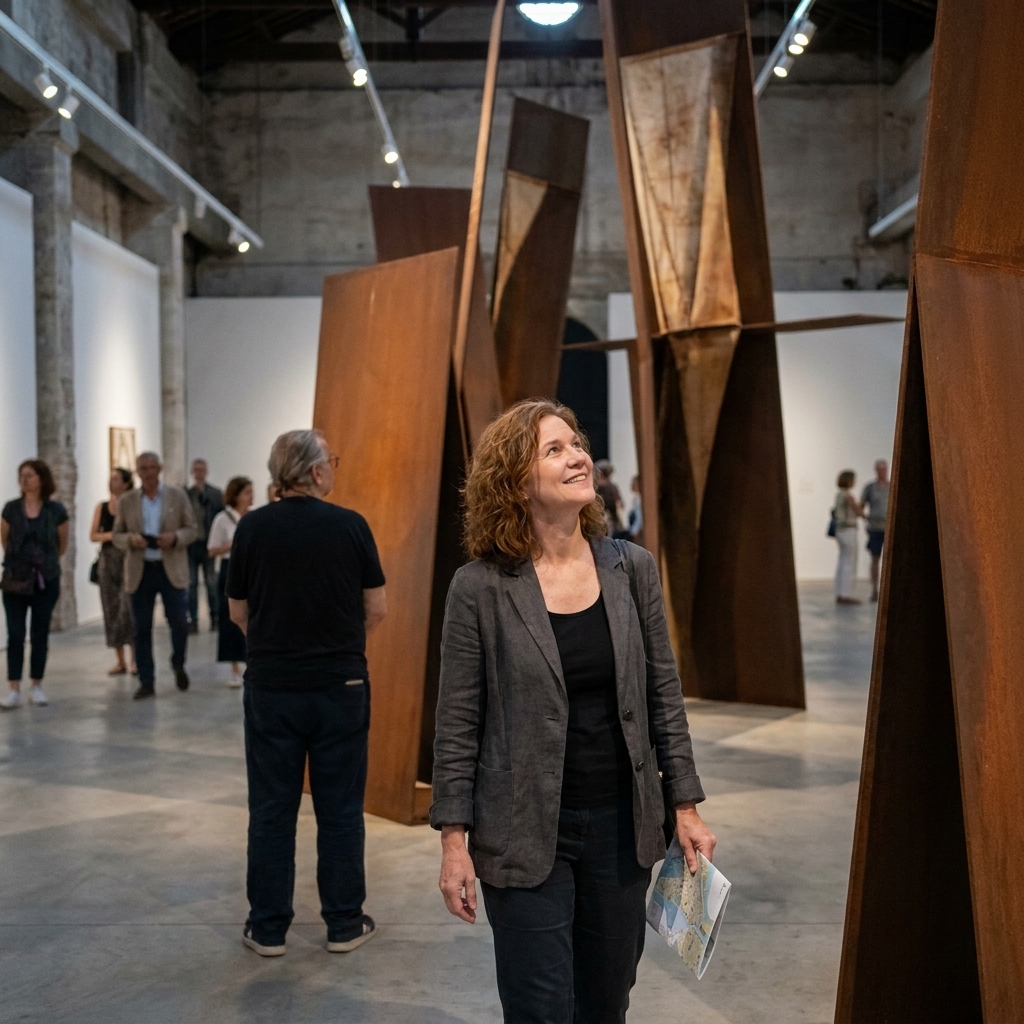
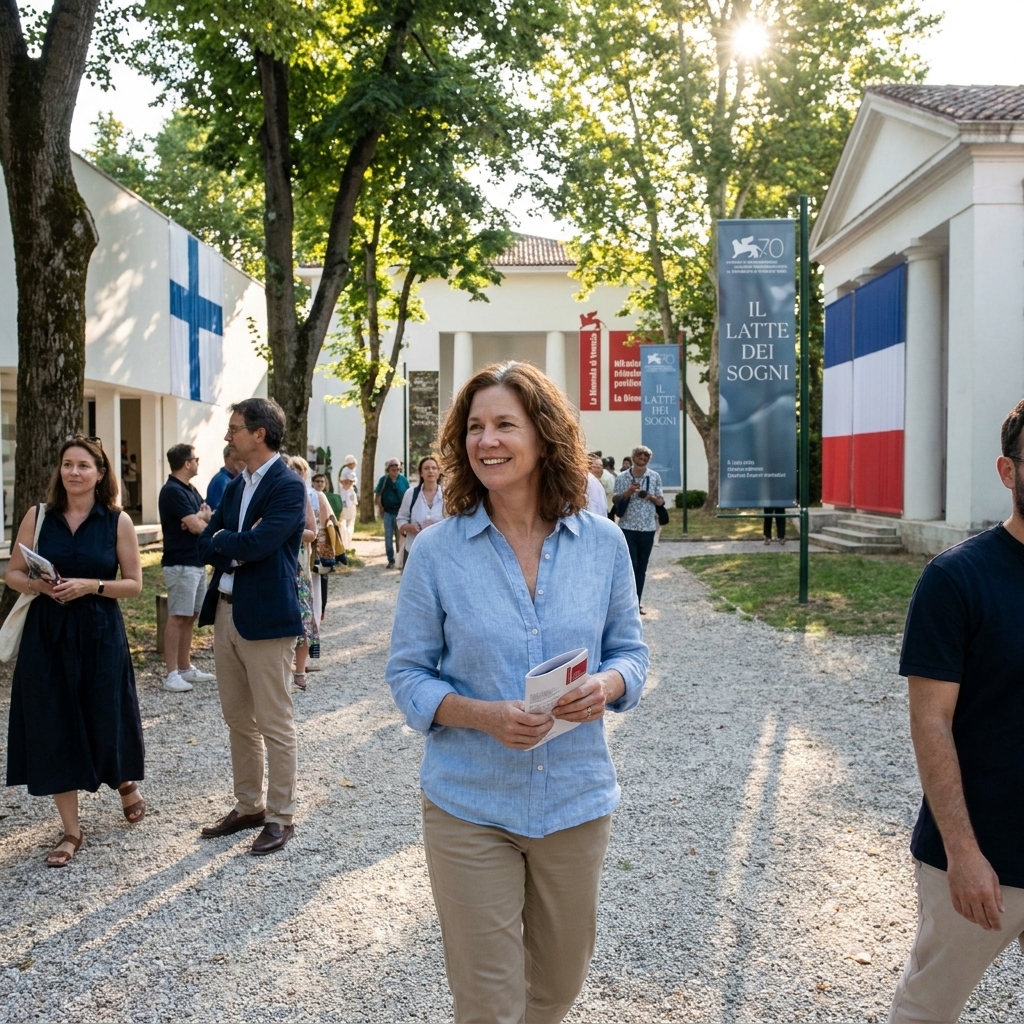
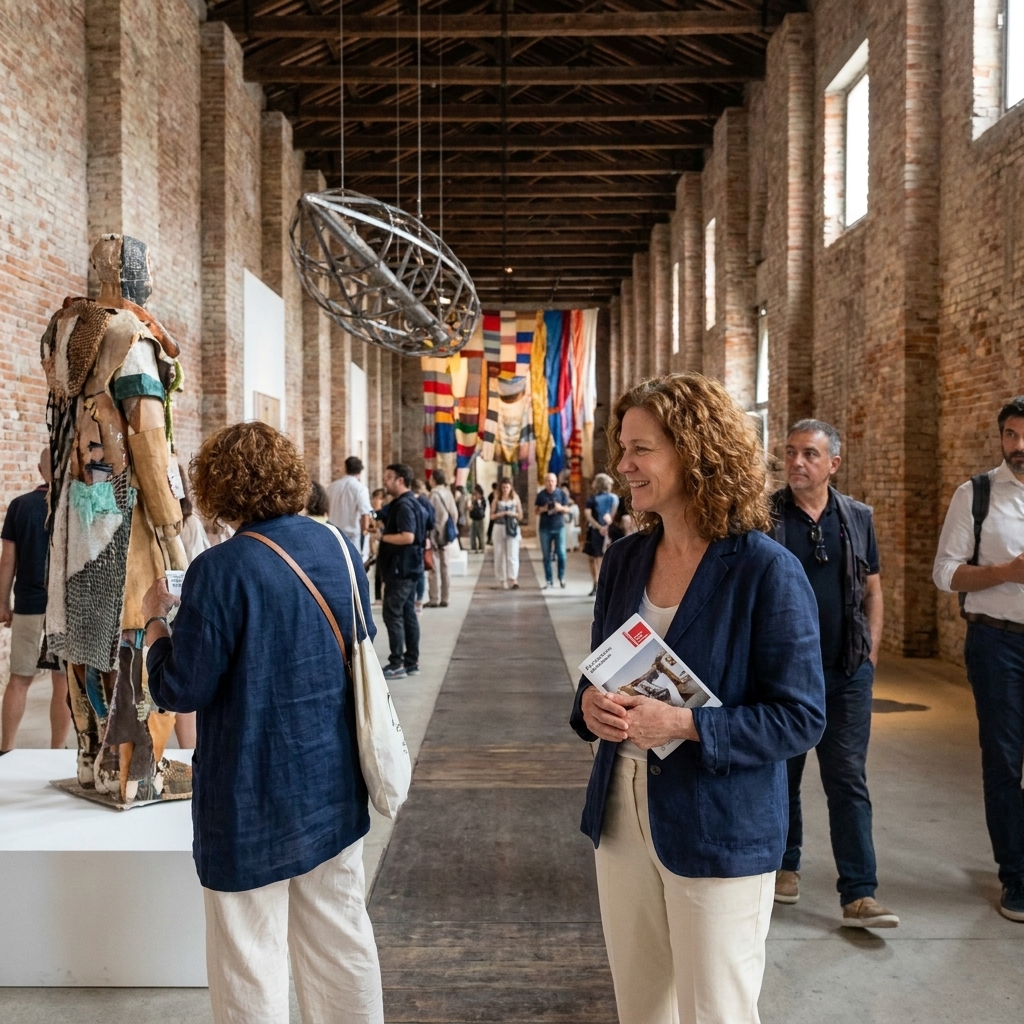
If contemporary art had a world’s fair, this is it. Formally, it is La Biennale di Venezia and the main contemporary art show is the International Art Exhibition. In practice, it is a sprawling conversation staged across the Giardini, the Arsenale, and satellite venues tucked into palazzos and former industrial spaces. You will see everything from exquisitely quiet drawing to room-sized installations that feel like weather.
- Typical season: Spring through late autumn in edition years (dates vary by edition).
- Where: Giardini, Arsenale, plus citywide collateral venues.
- Time you need: 2 days minimum, 3 to 4 if you like to read and roam.
- Ticketing tip: If you can, go on a weekday and start early. A little morning quiet changes how the Giardini feels.
- Getting around: Plan your days by neighborhood. Venice rewards committing to one side of the city at a time rather than zigzagging.
- Don’t miss: The Arsenale late in the day, when the long corridors turn the art into a kind of procession.
2) Frieze London
London, United Kingdom
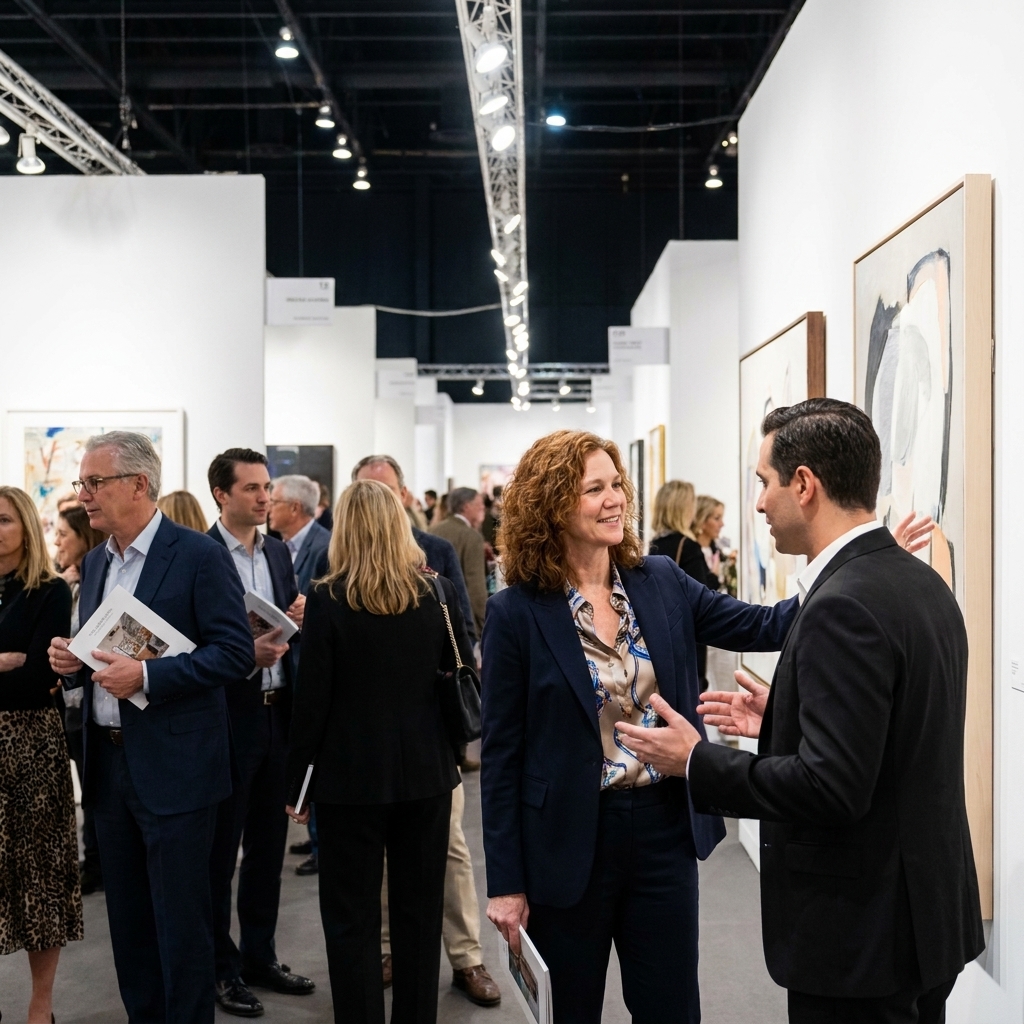
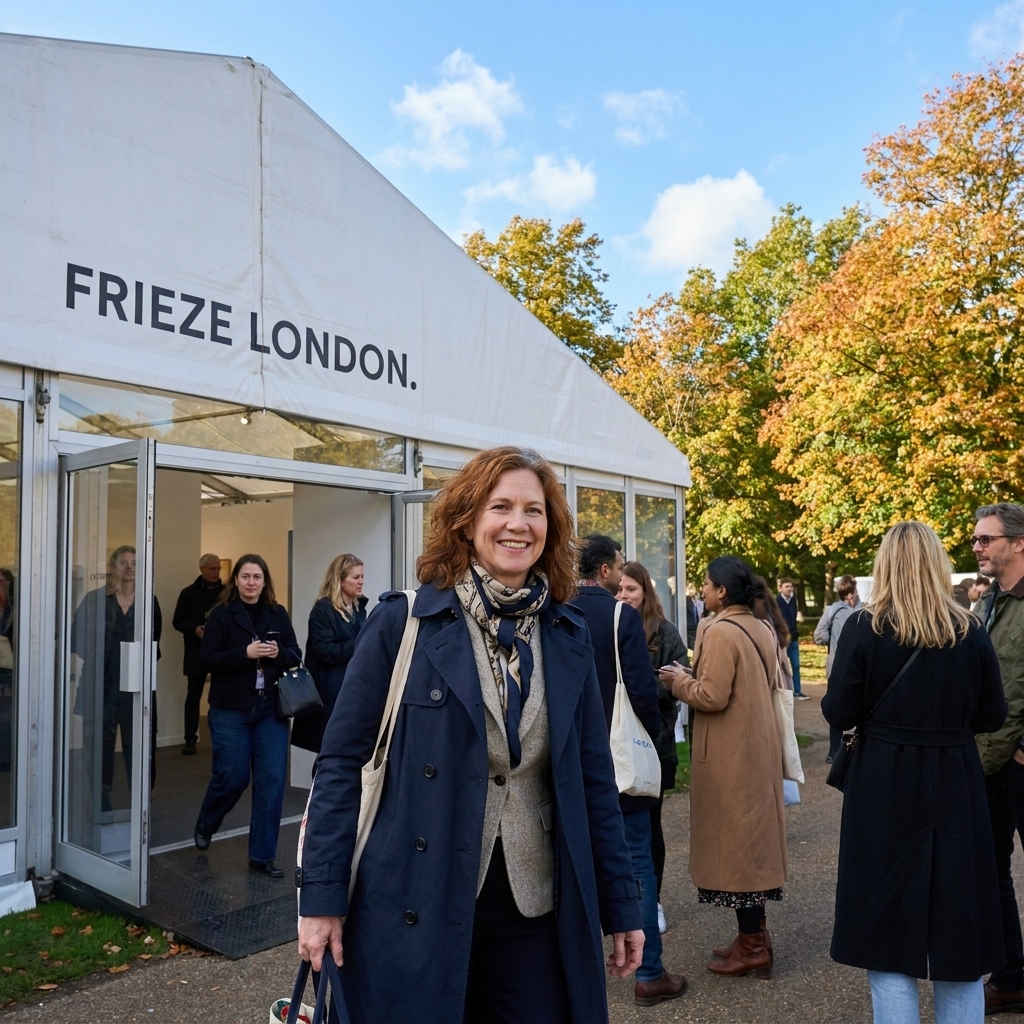
Yes, it is a fair, but Frieze is also an education in what galleries believe the conversation is right now. If you go with a curious eye rather than a shopping list, it becomes a crash course in emerging materials, ambitious scale, and the soft power of good lighting. Give yourself permission to linger at small works on paper. They often whisper the loudest.
- Typical season: October.
- Where: Regent’s Park fair tents, with plenty of parallel shows across London.
- Time you need: Half-day to one day, longer if you add offsite exhibitions.
- Ticketing tip: Weekend slots can sell out. Aim for an early entry time if crowds drain you.
- Viewing rhythm: Do one focused pass first, then circle back. The second lap is where your taste gets honest.
- Don’t miss: The sections devoted to new galleries and curated presentations.
3) Whitney Biennial
New York City, United States
The Whitney Biennial has a knack for reflecting the temperature of American culture without pretending to be the whole weather report. Expect sharp formal experimentation alongside deeply personal work, and the kind of installation that you feel physically before your brain has named it. Go with a friend if you can. This is one of those shows that makes conversation part of the viewing.
- Typical season: Typically spring through summer in biennial years, but timing varies by edition.
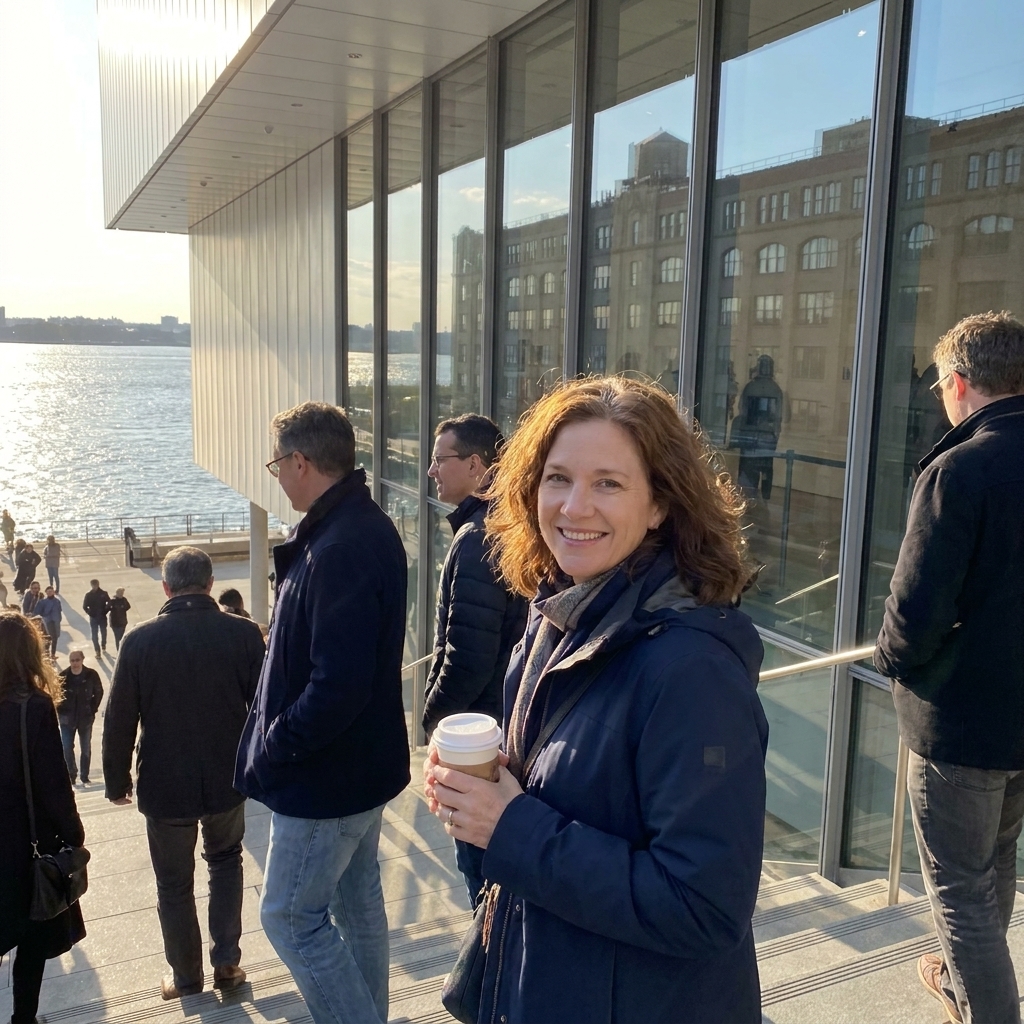
- Where: Whitney Museum of American Art, Meatpacking District.
- Time you need: 2 to 4 hours, plus extra if you catch screenings or talks.
- Ticketing tip: Timed entry is common during busy periods. Weekday afternoons tend to be calmer.
- Small logistics win: Build in one rooftop pause. The view can reset you between dense rooms.
- Don’t miss: Time-based media and live programs, which often carry the emotional center.
4) Art Basel
Basel, Switzerland
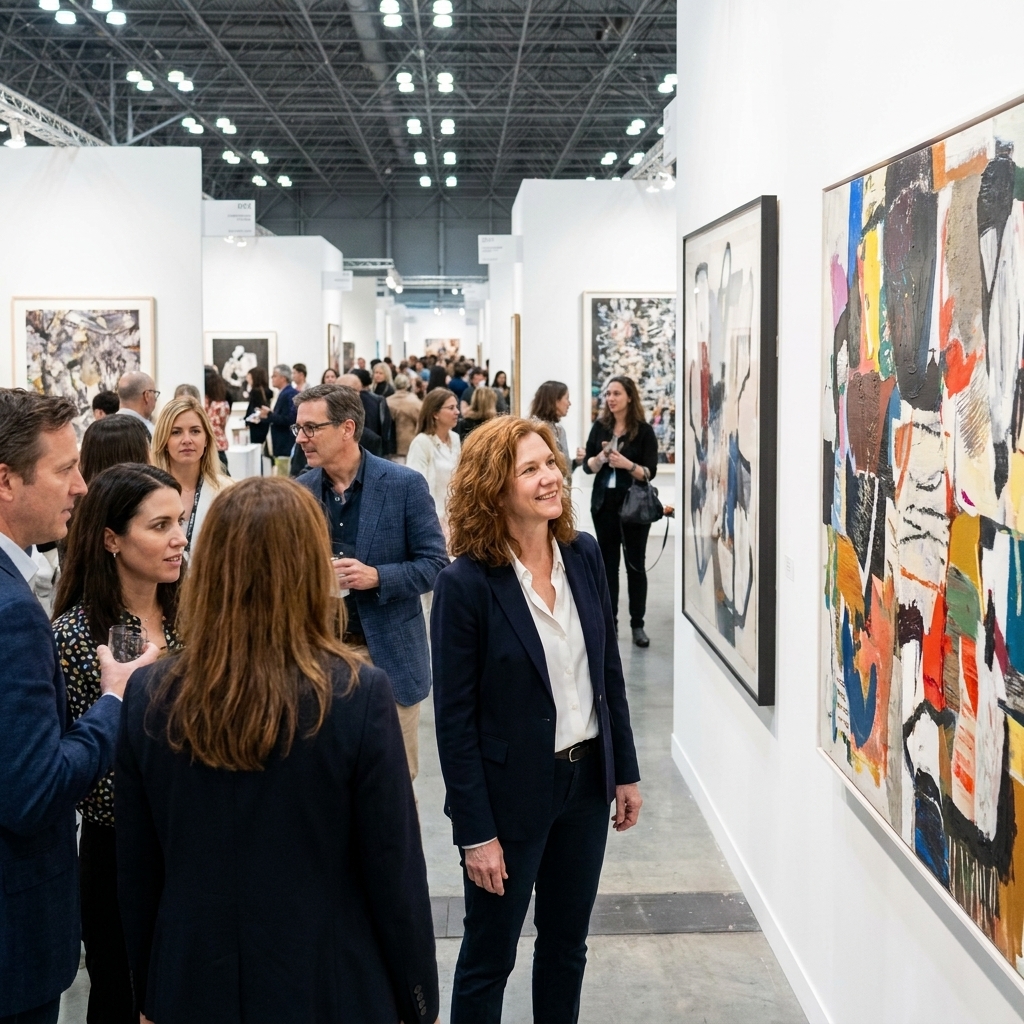
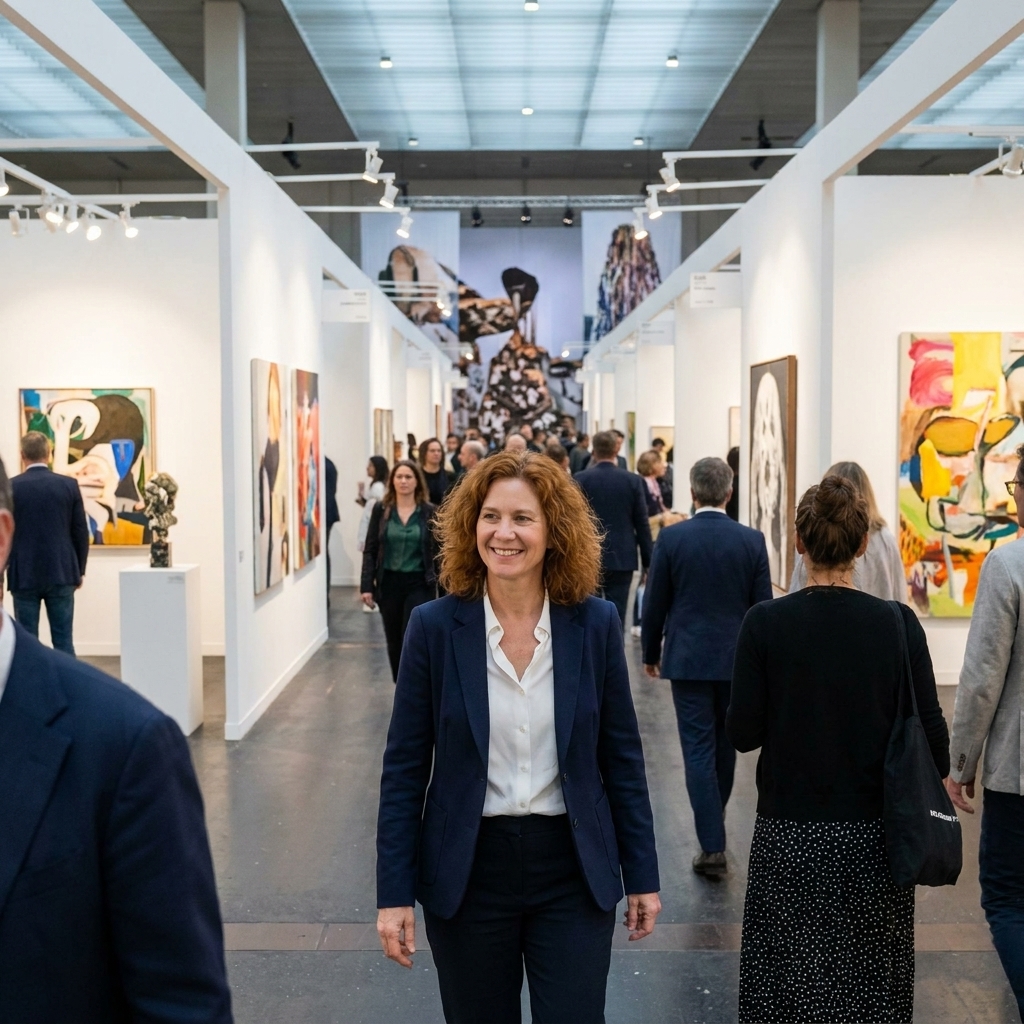
Art Basel is the kind of place where you might see a museum-grade masterpiece hung casually beside something that looks like it was invented yesterday. The scale can be overwhelming, so I recommend choosing a personal theme for the day, like “strange ceramics,” “new painting,” or “artists using sound as architecture.” Suddenly, it becomes a hunt, and you become a more attentive viewer.
- Typical season: June.
- Where: Messe Basel, with major institutional exhibitions citywide.
- Time you need: One full day, or two if you want to move slowly and add museum stops.
- Ticketing tip: Buy tickets in advance and arrive early if you want breathing room in major sectors.
- On the ground: Take notes on booth numbers and sector names. It is surprisingly easy to lose a work you loved.
- Don’t miss: Large-scale projects that reward distance and time.
5) Documenta
Kassel, Germany
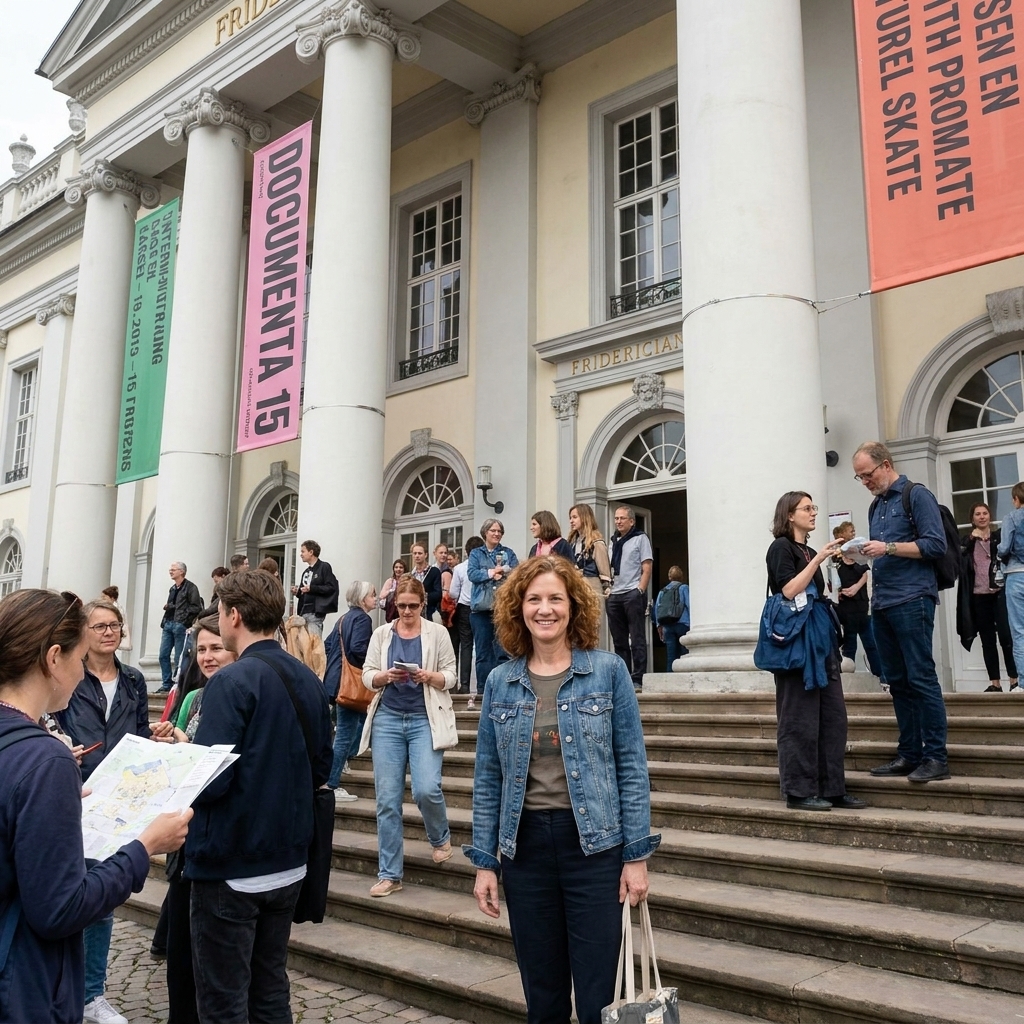
Documenta is a slow-burn experience. It is the show you think about months later while doing the dishes. It traditionally arrives every five years, which means it is not a casual add-on. It asks you to move through the city differently, to read wall texts with the patience of a novel, and to accept that some works are less about immediate pleasure and more about long, necessary attention.
- Typical season: Summer (every five years).
- Where: Kassel citywide, anchored by sites such as the Fridericianum.
- Time you need: 2 to 3 days, more if you like to follow threads across venues.
- Ticketing tip: Some venues and events have capacity limits. Plan your must-sees by neighborhood.
- Getting around: Expect real walking. A simple city transit plan (or a bike if you are comfortable) can turn “too spread out” into “perfectly paced.”
- Don’t miss: Off-site venues that transform civic spaces into stages for new meaning.
6) Manifesta
Rotating European city
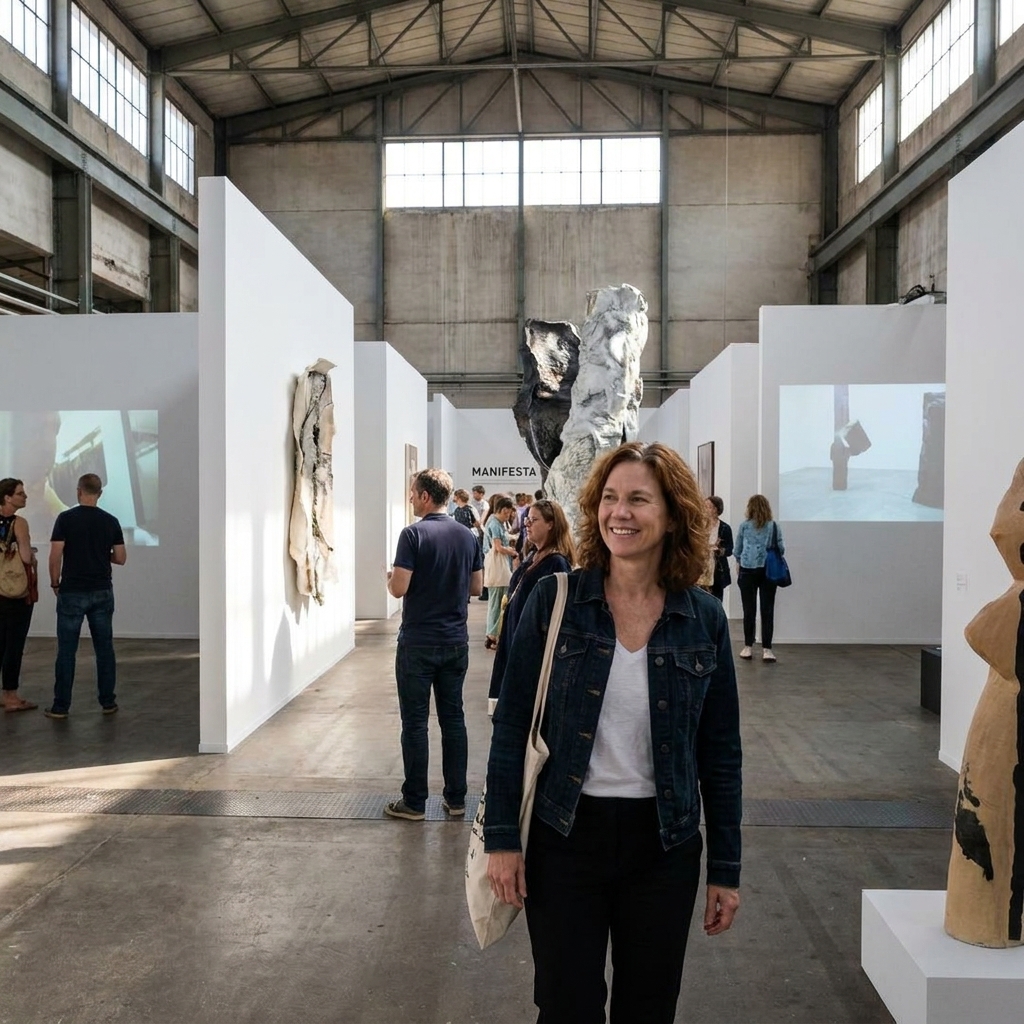
Manifesta moves from city to city, and that mobility is not a gimmick. The host location shapes the art, and the art reshapes how you understand the location. It often feels like a hybrid of exhibition and urban study, with performances, public projects, and installations that meet you where you are rather than demanding a pristine white cube.
- Typical season: Often late summer into autumn, but dates vary by host city and edition.
- Where: Multiple venues across the host city, often including civic and industrial sites.
- Time you need: 1 to 2 days, depending on how spread out the venues are.
- Ticketing tip: Citywide formats reward planning. Save venue addresses offline and map your route.
- Planning detail: Start with the “anchor” venue first. It usually explains the curatorial logic you will need for everything else.
- Don’t miss: Site-specific works that make you re-see streets you would normally rush through.
7) São Paulo Biennial
São Paulo, Brazil
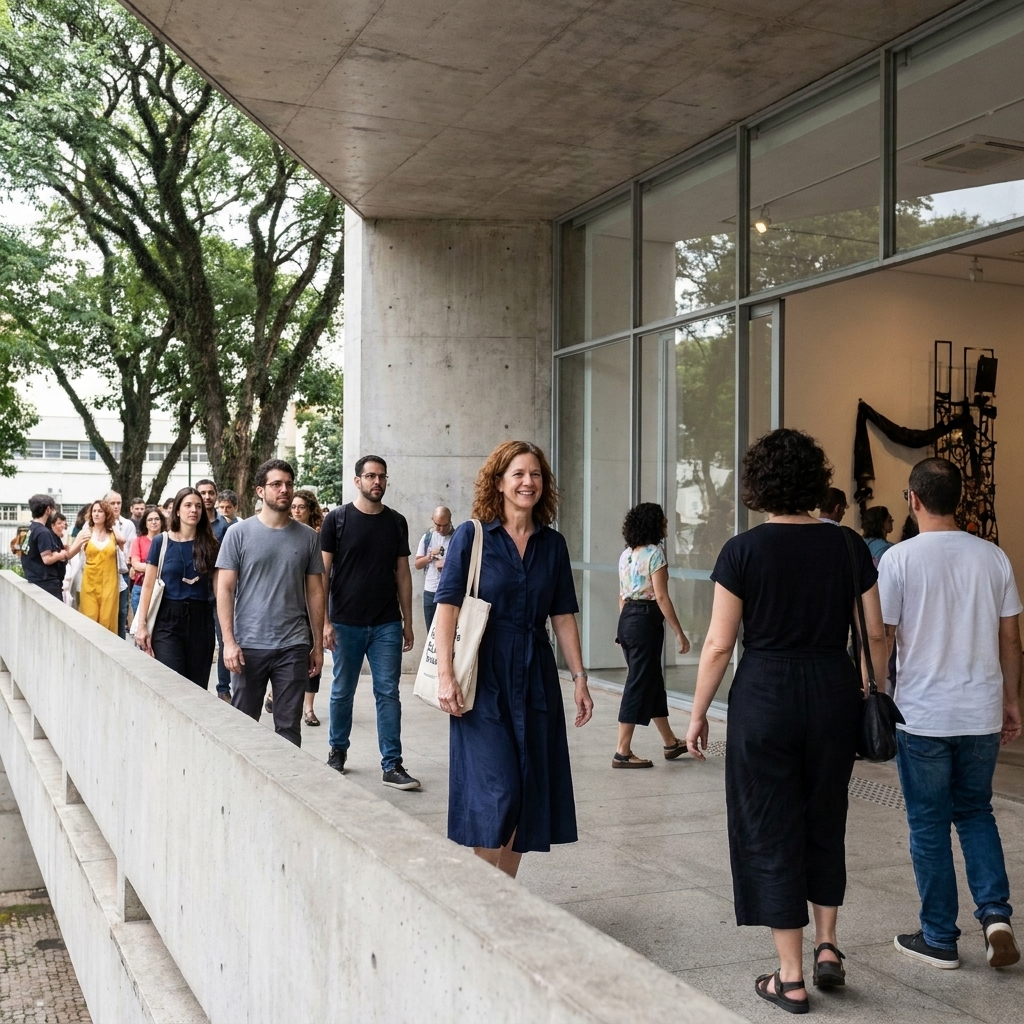
The São Paulo Biennial consistently delivers a generous kind of ambition. It is known for bringing together artists whose work insists on social context without sacrificing formal beauty. If you are craving a biennial that feels like a chorus rather than a shouting match, this is a wonderful place to listen.
- Typical season: Often September through December in biennial years (varies by edition).
- Where: Ciccillo Matarazzo Pavilion in Ibirapuera Park.
- Time you need: 3 to 5 hours, plus extra for talks and city exhibitions.
- Ticketing tip: Check whether entry is timed or free for the current edition, and confirm holiday hours.
- Viewing rhythm: Go once for the big sightlines, then return for the details. The pavilion rewards revisiting.
- Don’t miss: Works that blend craft traditions with contemporary conceptual frameworks.
8) Gwangju Biennale
Gwangju, South Korea
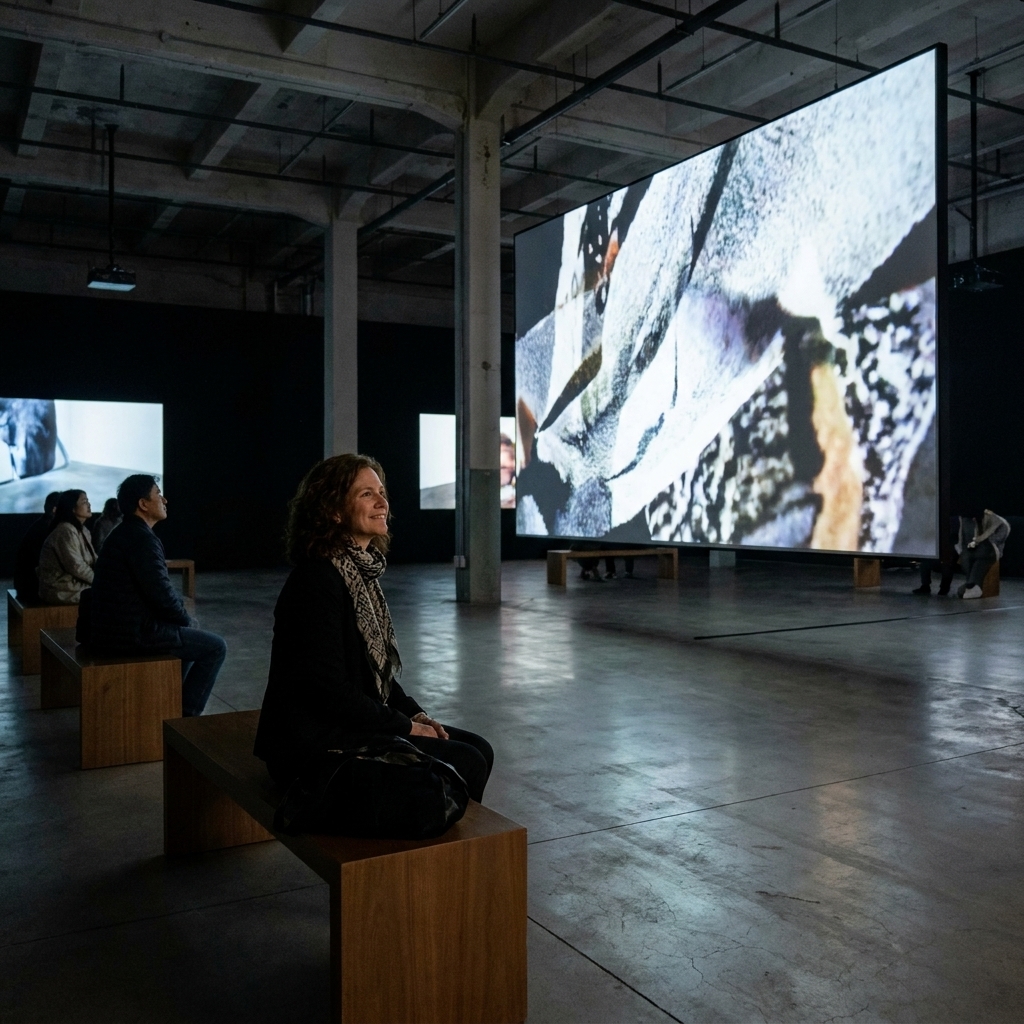
Gwangju has a history that matters, and the Biennale often carries that gravity into the present. What I love most is its willingness to let contemporary art be both experimental and ethically awake. You will find bold moving-image work, installation that feels architectural, and performances that change the room’s temperature.
- Typical season: Often September through December in biennial years (varies by edition).
- Where: Main biennale halls plus partner venues across the city.
- Time you need: One full day if you focus on the primary exhibition, more if you follow satellite projects.
- Ticketing tip: Moving-image and sound works take time. Build in breaks so you do not rush the strongest pieces.
- On the ground: If you love video, look up program loops before you arrive so you can catch full works rather than fragments.
- Don’t miss: Moving-image and sound works, often among the most inventive on view.
9) Sharjah Biennial
Sharjah, United Arab Emirates
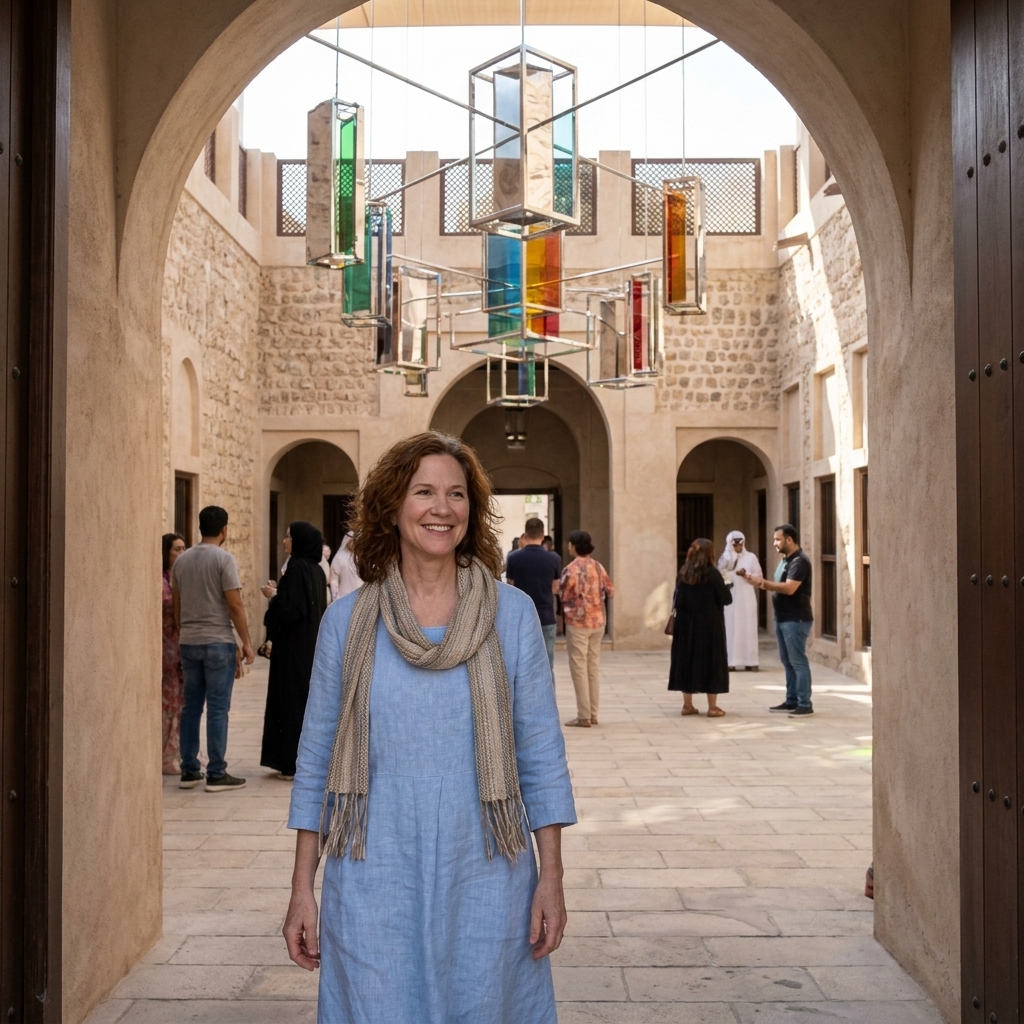
The Sharjah Biennial is one of the most exciting places to encounter contemporary art that refuses a single center. Venues across Sharjah invite a kind of wandering, and the work often feels in dialogue with architecture, climate, and community rather than sealed away from it. Come ready to be surprised by scale, material, and narrative.
- Typical season: Typically late winter into spring in biennial years (often Feb into early summer), but timing varies by edition.
- Where: Multiple sites across Sharjah, including heritage buildings and contemporary art spaces.
- Time you need: 1 to 2 days, especially if you want to see the work in different districts.
- Ticketing tip: Plan for daytime sun and long walks between venues. Check which sites have limited hours and what transport is easiest.
- Planning detail: Group venues by area and commit. The Biennial is at its best when you let one district unfold before moving on.
- Don’t miss: Installations staged in heritage architecture, where texture and light become part of the piece.
10) Biennale of Sydney
Sydney, Australia
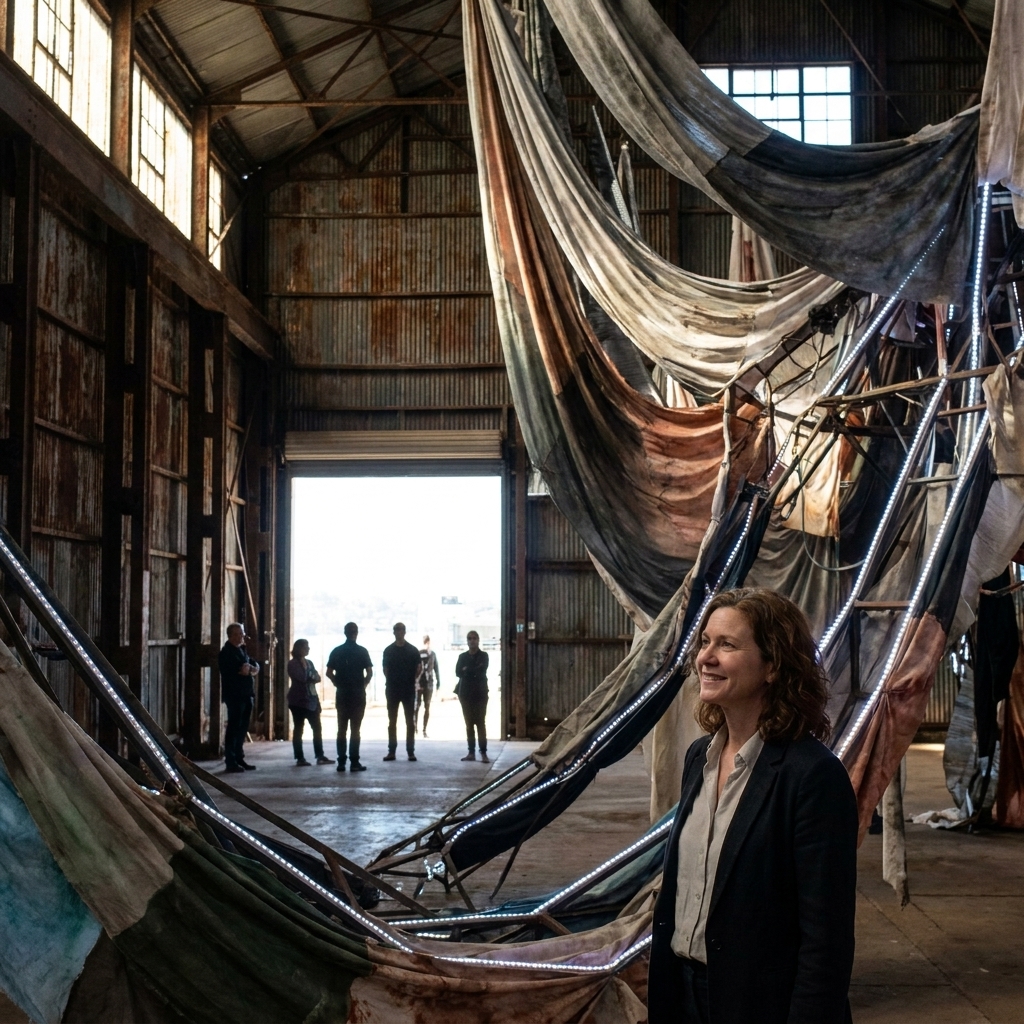
Sydney’s Biennale has a way of making contemporary art feel breezy without making it shallow. The city’s harbor light does something to your mood, and the exhibition often leans into that openness, pairing big, confident gestures with intimate moments that reward close looking. It is a reminder that serious art can still feel like a day out.
- Typical season: Often autumn into winter in Australia, but timing varies by edition.
- Where: Multiple venues, often including Cockatoo Island and major city institutions.
- Time you need: One full day, or two if you want to include ferry travel and slower looking.
- Ticketing tip: If Cockatoo Island is included, check ferry timetables and the last return time before you commit to a long visit.
- Getting around: Treat it like a small itinerary, not a single museum stop. One harbor crossing is part of the pleasure, five can become a chore.
- Don’t miss: Waterfront sites where the boundary between art space and world space gets satisfyingly thin.
How to pick two
If you want the broadest international sweep, choose Venice plus either Sharjah or Gwangju for a different geographic and curatorial gravity. If you want the sharpest sense of what is happening in the US right now, pair the Whitney Biennial with a market mirror like Frieze London or Art Basel. If you prefer slow and cerebral, make it Documenta and Manifesta, and bring comfortable shoes and an open notebook.
Quick planning notes
- Pick a year first: Cycles matter. Once you choose your travel year, matching editions becomes easy.
- Budget honestly: Fairs can be pricey, and biennials can be deceptively expensive once you add transport between venues. Decide where you want to spend: tickets, travel, or time.
- Distance is part of the work: Venice, Kassel, Sharjah, and Sydney are all “multi-venue” experiences. Build days that include transit, water, and a place to sit for ten minutes.
- Time-based work: Check performance, film, and live program schedules in advance. Many pieces have limited capacity.
- Accessibility: Large-scale events usually publish access guides. Download them before you go so you can plan breaks.
- Permission to skip: Contemporary art is not a completionist sport. The best visits are the ones where you remember what you saw, not how much.
Wherever you land, I hope you find at least one work that makes you feel quietly rearranged. That is the real souvenir.